EN
EN



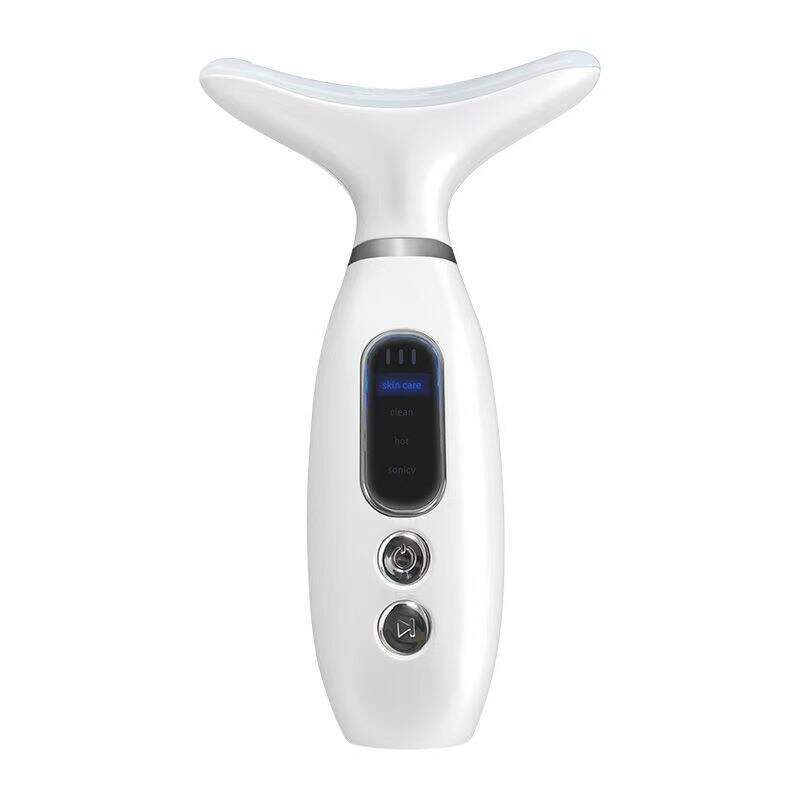
أدى ازدهار تقنيات الجمال المنزلية إلى طرح سؤالٍ جادٍ بين عشاق العناية بالبشرة والمحترفين على حد سواء: هل يمكن أن جهاز تدليك للوجه من سبا هل يمكنها حقًا أن تحل محل النتائج التي تُحقّقها علاجات الصالونات الاحترافية؟ وبما أن الأجهزة المتطوّرة اليوم تدمج تقنية التيار الميكروي، والعلاج بالضوء الأحمر، ووظائف الرفع في أداة محمولة واحدة، فإن الفجوة بين العناية المنزلية والنتائج المُقدَّمة في العيادات تضيق بشكلٍ لم يكن متصورًا قبل عقدٍ من الزمن فقط. ولذلك، فإن فهم المواقع التي ما زالت هذه الفجوة قائمةً فيها — والمواقع التي انغلقت فيها فعليًّا — أمرٌ جوهريٌّ لأي شخصٍ يتخذ قراراتٍ بشأن روتينه الخاص للعناية بالبشرة وميزانيته.
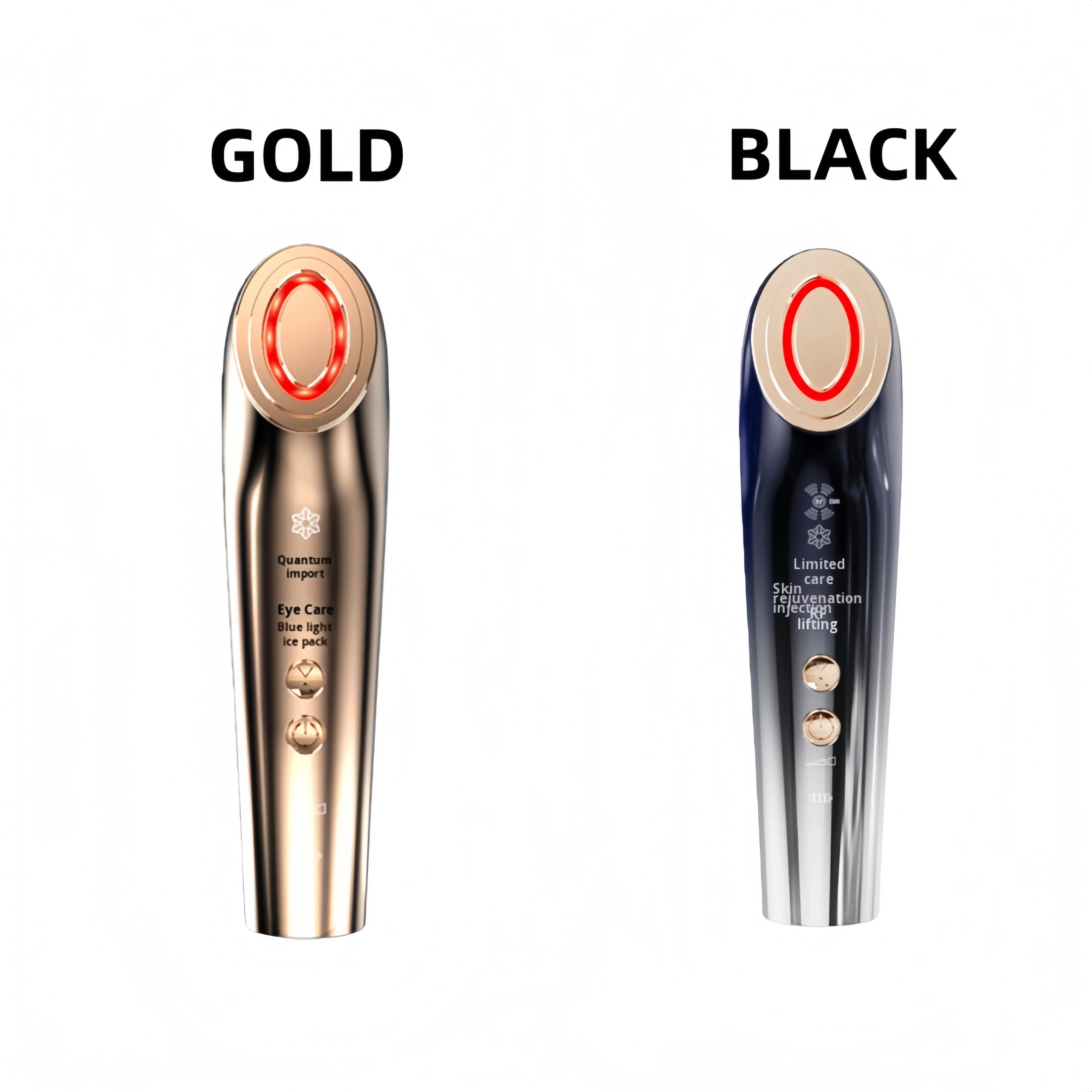
لم يعد جهاز تدليك الوجه العلاجي مجرد عصا اهتزازية بسيطة مصممة للاسترخاء السطحي. بل صُمِّمت الأجهزة الحديثة بتقنية متعددة الوسائط التي تستهدف في آنٍ واحدٍ نغمة العضلات، وتحسين الدورة الدموية، وتعزيز امتصاص المنتجات التجميلية، والتحفيز الخلوي. أما بالنسبة للمستهلكين ومشتري القطاع المؤسسي (B2B) الذين يبحثون عن أدوات تجميل منزلية الاستخدام، فإن السؤال الحقيقي لم يعد ما إذا كانت هذه الأجهزة فعّالة أم لا — إذ تؤكد الأدلة المتزايدة بشكلٍ متزايد أنها كذلك — بل هو: في أي الظروف يمكن لهذه الأجهزة أن تحلَّ محلَّ الزيارات إلى صالونات التجميل، وأين تبقى التدخلات المهنية الخيار الأنسب. وتتناول هذه المقالة كلا طرفي هذه المعادلة بوضوحٍ عملي.
فهم ما يفعله جهاز تدليك الوجه العلاجي فعليًّا
التقنية الأساسية الكامنة وراء الأجهزة الحديثة
جهاز تدليك للوجه في صالونات التجميل المعاصرة يجمع عادةً بين عدة تقنيات وظيفية في جهاز واحد. وتستخدم تحفيز التيارات الميكروية نبضات كهربائية منخفضة المستوى لإعادة تأهيل عضلات الوجه، مما يشجّعها على الانقباض والارتفاع بطريقة تحاكي آثار التمرين الرياضي. أما العلاج بالضوء الأحمر فيخترق الجلد عند أطوال موجية محددة لتنشيط إنتاج الكولاجين وتقليل الالتهاب. وتحسّن الاهتزازات الصوتية من تصريف الجهاز اللمفاوي وتدفق الدم، بينما تساعد وضعيات الإدخال (Introduction Modes) المكونات الفعالة في منتجات العناية بالبشرة على الاختراق إلى أعماق الأدمة أكثر مما يمكن أن تحققه طريقة التطبيق الموضعي وحدها.
تتناول كل واحدة من هذه الوظائف مشكلة جلدية محددة كانت تُعالَج سابقًا فقط باستخدام أجهزة احترافية. وحقيقة دمجها الآن في جهاز واحد لتدليك الوجه ضمن روتين العناية المنزلية يمثل تحولًا تكنولوجيًّا حقيقيًّا، وليس مجرَّد تطوُّر تسويقي.
والفرق الجوهري هو أن جهاز تدليك الوجه المنزلي يعمل بمستويات طاقة آمنة للاستهلاك المنزلي، وهي أقل من الإعدادات السريرية المستخدمة في البيئات الاحترافية. وهذا يجعل الأجهزة آمنة للاستخدام اليومي أو شبه اليومي دون إشراف، لكنه يعني أيضًا أن شدة كل جلسة فردية تكون معتدلة نسبيًّا. ومع ذلك، فإن التأثير التراكمي للاستخدام المنتظم في المنزل قد يعادل أو يكمِّل شدة الجلسات الدورية في صالونات التجميل.
ما تحققه علاجات الصالونات والذي تستطيع الأجهزة محاكاته
تعتمد علاجات الصالونات الاحترافية لرفع الوجه وشدّه وتجديده عادةً على نفس التقنيات الأساسية الموجودة في أجهزة الاستخدام المنزلي المتطورة — مثل التيار الميكروي، والترددات الراديوية، والعلاج بالضوء الأحمر (LED)، والحقن فوق الصوتي. أما الفرق فيكمن في قوة الخرج، ومهارة المعالِج، وتخصيص بروتوكولات العلاج استنادًا إلى تقييم مباشر لحالة بشرة العميل.
يمكن لمُقدِّم العناية الجمالية الماهر ضبط الإعدادات في الوقت الفعلي، واستهداف مجموعات عضلية محددة بدقة، ودمج عدة طرائق علاجية في جلسة واحدة بطريقة لا يمكن لماساج الوجه المنزلي الذاتي أن يُعيد إنتاجها بالكامل. وبقي العنصر البشري — أي القدرة على قراءة استجابة البشرة والتكيف معها وفقًا لذلك — ميزة حقيقية للعلاج الاحترافي.
ومع ذلك، فإن العديد من الفوائد الأساسية لعلاجات الصالون، مثل تحسين الدورة الدموية، وتقليل الانتفاخ، وتعزيز امتصاص المنتجات، والتأثيرات الخفيفة للرفع، تقع جميعها ضمن نطاق إمكانات جهاز تدليك الوجه العلاجي عالي الجودة عند استخدامه باستمرار في المنزل. وبالتالي، فإن مسألة الاستبدال تعتمد بشكل كبير على النتيجة المحددة التي يسعى المستخدم إلى تحقيقها.
المجالات التي يمكن فيها لجهاز تدليك الوجه العلاجي أن يحل محل زيارات الصالون فعليًّا
الصيانة بين الجلسات الاحترافية
ويُعد أحد أقوى الحجج المؤيدة لاستخدام جهاز تدليك الوجه العلاجي كبديل — أو على الأقل كملحقٍ مهمٍ — لعلاجات الصالون هو دوره في الصيانة. فغالبًا ما تُحقِّق العلاجات الاحترافية نتائج مرئية تتلاشى خلال أسابيع ما لم تُدعَم برعاية منزلية منتظمة. وباستخدام جهاز تدليك الوجه العلاجي ثلاث إلى خمس مرات أسبوعيًّا، يمكن تمديد نتائج جلسة الصالون وتعزيزها، ما يقلل فعليًّا من تكرار الحاجة إلى الزيارات الاحترافية للحفاظ على نفس النتيجة.
بالنسبة للعملاء الذين كانوا يزورون صالون التجميل شهريًّا سابقًا لإجراء علاجات الرفع أو التكثيف، فإن دمج جهاز تدليك سبا الوجه في روتينهم اليومي قد يسمح لهم بتمديد هذه المدة إلى ما بين ستة وثمانية أسابيع دون انخفاض ملحوظ في النتائج. وعلى امتداد سنة كاملة، يمثل ذلك خفضًا كبيرًا في كلٍّ من الوقت والتكلفة، بينما تظل حالة البشرة العامة مماثلة أو حتى تتحسَّن بفضل زيادة تكرار التحفيز.
وهذه الوظيفة الصيانية هي المكان الذي يثبت فيه جهاز تدليك سبا الوجه بشكلٍ مقنعٍ جدًّا أنه بديل جزئي فعّال لعلاجات الصالون. فهو لا يلغي القيمة التي تقدِّمها الجلسات الاحترافية، لكنه يقلِّل بشكلٍ ملموسٍ من الاعتماد عليها لدى المستخدمين الذين لديهم أهداف معتدلة في العناية بالبشرة.
أهداف الرفع والتكثيف وتحفيز الدورة الدموية اليومية
للمستخدمين الذين تتمحور مخاوفهم الأساسية حول لون البشرة العام، وتحسّن طفيف في مرونة الجلد، وتقليل الانتفاخ، والتمتع بإشراقة صحية، يمكن لماساجر الوجه العلاجي أن يحلّ محل الزيارات الروتينية إلى صالونات التجميل بالكامل. وهذه النتائج تستجيب جيدًا للتحفيز المنتظم والمتوسط — وهو بالضبط ما توفره الأجهزة المنزلية. فالتأثير التراكمي للتيار الميكروي والإضاءة الحمراء اليومية، مقترنًا بتحسين تصريف الجهاز الليمفاوي نتيجة التدليك المنتظم، يؤدي إلى تحسّنٍ مرئيٍ في نسيج البشرة وملامح الوجه على مدى أربعة إلى ثمانية أسابيع.
إن العلاجات ذات الدرجة السريرية تكون أكثر تبريرًا عندما تكون المشكلة شديدة — مثل التجاعيد العميقة، أو الترهل الملحوظ، أو التعافي بعد الإجراءات الطبية. أما في نطاق الفئة الواسعة المتوسطة التي تشمل الرعاية الوقائية والتجدد العام، فإن ماساجر الوجه العلاجي المصمَّم جيدًا يُعَدُّ بديلًا موثوقًا وفعالًا من حيث التكلفة. وقد انتقل العديد من المستخدمين الذين كانوا يعتمدون سابقًا على مواعيد شهرية في الصالونات لتحقيق هذه النتائج إلى استخدام الأجهزة المنزلية بشكل كامل، مع تحقيق نتائج مُرضية.
كما يوفر جهاز تدليك الوجه العلاجي ميزة الاتساق التي لا يمكن لزيارات الصالون أن تُنافسها. وبما أنه متاح في المنزل ولا يتطلب حجز موعد، فإن احتمال استخدامه بانتظام من قِبل المستخدمين يكون أعلى بكثير. ويعتبر تكرار الاستخدام أحد أهم العوامل في العلاجات الجلدية غير الجراحية، وفي هذا البُعد تحديدًا تتفوق الأجهزة المنزلية بشكلٍ ساحق.
المجالات التي تحتفظ فيها علاجات الصالون بميزة واضحة
العلاجات التصحيحية عالية الشدة
توجد مخاوف محددة تتعلق بالبشرة، حيث يصبح الفرق في القوة بين جهاز تدليك الوجه العلاجي والمعدات الاحترافية ذا أهمية سريرية واضحة. فعلى سبيل المثال، يُستخدم التردد الراديوي للأنسجة العميقة لمعالجة الترهل الجلدي الشديد، والультراصوت المركّز عالي الشدة للرفع الهيكلي، والتقشير الكيميائي لتصحيح التصبغات المتقدمة، وكل هذه العلاجات تعمل عند مستويات طاقة لا تسمح باستخدامها في المنزل من حيث السلامة أو العمليّة. ولهذا السبب تتطلب هذه العلاجات إشرافًا احترافيًّا دقيقًا، نظرًا لأن شدتها تخلق خطرًا حقيقيًّا لحدوث آثار جانبية سلبية في حال تطبيقها بشكلٍ غير صحيح.
جهاز التدليك العلاجي للوجه ليس مصممًا للمنافسة في هذا المجال، ولا ينبغي تسويقه كبديل عن الإجراءات التصحيحية. فالمستخدمون الذين يعانون من مشكلات متقدمة — مثل ترهل الذقن البارز، أو الطيات الأنفية الشفوية العميقة، أو الشيخوخة الضوئية المتفاقمة — سيكتشفون أن الأجهزة المنزلية تُعد دعمًا مساعدًا لا بديلًا عن العمل الهيكلي الذي يمكن أن تحققه العلاجات المهنية عالية الكثافة.
إن فهم هذه الحدود أمرٌ بالغ الأهمية لكلٍّ من المستهلكين ومشتري قطاع الأعمال (B2B) الذين يشترون أدوات الجمال المنزلية. ويُصنَّف جهاز التدليك العلاجي للوجه بدقة أكبر على أنه أداة وقائية وصيانة عامة وتجديد عام للبشرة، وليس كجهاز تصحيحي. وإن توضيح هذه الفروق بشكلٍ صريح يعزِّز الثقة ويساعد في تشكيل توقعات واقعية.
تقييم البشرة الشخصي وتصميم البروتوكول المناسب
يُقدِّم أخصائي التجميل المحترف قدرات تشخيصية لا يمكن لماساج الوجه المنزلي أن يُقلِّدها. فالقدرة على تقييم مستويات ترطيب البشرة، وتحديد الحالات الكامنة، وتصميم بروتوكول علاج مُصمَّم خصيصًا لنوع بشرة الفرد المحدَّد وملف مشكلاته الجلدية تُشكِّل إضافةً حقيقيةً للقيمة لا توفرها الأجهزة المنزلية. وللمستخدمين الذين يعانون من حالات جلدية معقَّدة أو حساسة، فإن هذه التوجيهات المُخصَّصة قد تحدث فرقًا ملموسًا في النتائج والسلامة.
ومع ذلك، فإن البروتوكولات القياسية المُدمجة في جهاز ماساج وجه منزلي عالي الجودة تكون كافيةٍ لمعظم المستخدمين ذوي البشرة الطبيعية أو التي تشهد شيخوخة معتدلة، وغير المُصابة بأي حالات جلدية كامنة، لتوفير نتائج متسقة وآمنة ومرئية. وإن كانت الحاجة إلى تقييم احترافي فرديٍّ حقيقيةً بالفعل، فإنها تنطبق على شريحة أضيق من مستخدمي هذا النوع من الأجهزة مما يُفترض غالبًا.
الحالة التجارية لاعتماد أجهزة ماساج الوجه المنزلية
الكفاءة التكلفة مع مرور الوقت
من منظور اقتصادي بحت، يمثل جهاز التدليك الوجهي للسبا عرض قيمة جذّابًا للمستهلكين الذين يستثمرون حاليًّا في جلسات العناية الوجهية الاحترافية المنتظمة في صالونات التجميل. إذ يمكن أن تتراوح تكلفة جلسة تجميل وجه واحدة احترافية بين خمسين دولارًا أمريكيًّا وعدة مئات من الدولارات، وفقًا لنوع العلاج والموقع الجغرافي. أما جهاز منزلي عالي الجودة، عند استخدامه باستمرار على مدى اثني عشر شهرًا، فيُحقِّق تكلفةً لكل جلسة تمثِّل جزءًا ضئيلًا من تلك المبلغ — وغالبًا ما تكون أقل من دولار أمريكي واحد لكل استخدام عند توزيع تكلفة الجهاز على كامل عمره الافتراضي.
وبالنسبة لمشتري الشركات (B2B) الذين يشترون أجهزة التجميل المنزلية لتوزيعها أو بيعها بالتجزئة، فإن هذه القصة المتعلقة بكفاءة التكلفة تُعَدُّ واحدةً من أقوى نقاط البيع المتاحة. فالمستهلكون أصبحوا أكثر وعيًا بالجوانب الاقتصادية طويلة الأجل لامتلاك الأجهزة المنزلية مقارنةً بالنفقات المتكرِّرة على جلسات الصالونات، وهذا الوعي يُسهم في دفع نمو مستمرٍ في فئة أجهزة التجميل المنزلية. وبما أن جهاز التدليك الوجهي للسبا يُوضَع بوضوح ضمن هذا الإطار القيمي، فإنه يلقى صدى قويًّا لدى المشترين الحريصين على التكلفة لكنهم لا يضحُّون بالجودة.
ويزداد حُجّة التكلفة قوةً بفضل تعدد وظائف الأجهزة الحديثة. فجهاز تدليك الوجه العلاجي المنزلي، الذي يجمع بين تقنيات التيارات الميكروية، والضوء الأحمر، والرفع، وتثبيت الجلد، يحلّ محل ما كان يتطلّب في السابق عدة أنواع من جلسات العناية بالوجه في صالونات التجميل، وكل نوعٍ منها يُفرض عليه سعرٌ منفصل. وبذلك، فإن القيمة المدمجة الناتجة كبيرةٌ جدًّا، ويمكن للمستهلكين حسابها بسهولة.
الراحة ودمج نمط الحياة
وبالإضافة إلى عامل التكلفة، فإن راحة استخدام جهاز تدليك الوجه العلاجي المنزلي تُعَدّ عاملاً قويًّا جدًّا يدفع نحو اعتماده. فزيارة الصالون تتطلب تحديد موعد مسبق، ووقتًا للتنقّل إليه، وحجز فترة زمنية مخصصة، وهي أمور يجد كثيرٌ من المستهلكين صعوبةً متزايدةً في التوفيق بينها. أما الجهاز المنزلي فيندمج بسلاسة في روتين العناية بالبشرة القائم، دون أي عوائق تُذكر؛ إذ يمكن إنجاز جلسة مدتها من عشر إلى خمس عشرة دقيقة في المنزل، وفي أي وقتٍ يناسب المستخدم، دون الحاجة إلى التخطيط المسبق.
تكتسب هذه التوافقية مع نمط الحياة أهمية خاصة بالنسبة للشريحة الأساسية من مستخدمي أجهزة العناية بالجمال المنزلية: المهنيون العاملون والآباء في الثلاثينيات والأربعينيات من عمرهم، الذين يُولون اهتمامًا كبيرًا لعناية البشرة لكنهم يواجهون قيودًا حقيقية في الوقت المتاح. وللهذه الفئة، لا يُعد جهاز التدليك الوجهي المنزلي مجرد بديل اقتصادي لجلسات صالونات التجميل — بل هو بديل عمليٌّ أيضًا، إذ يسد فجوةً لم تتمكن زيارات الصالونات من سدها بشكلٍ موثوق بسبب العوائق المرتبطة بالجدولة.
ويشكِّل الجمع بين الكفاءة التكلفة والراحة حجة مقنعة لاعتماد جهاز التدليك الوجهي المنزلي كأداة رئيسية للعناية بالبشرة، وليس مجرد أداة مساعدة ثانوية. فبالنسبة لشريحة متزايدة من المستهلكين، انتقل هذا الجهاز بالفعل من كونه «مرغوبًا فيه» إلى أن يصبح «أداة يومية أساسية»، وتنعكس هذه القفزة في النمو التجاري المستمر لهذه الفئة.
الأسئلة الشائعة
ما التكرار الموصى به لاستخدام جهاز التدليك الوجهي المنزلي لتحقيق النتائج؟
يلاحظ معظم المستخدمين تحسّنًا ملحوظًا في لون البشرة وملمسها بعد أربعة إلى ستة أسابيع من الاستخدام المنتظم، عادةً ما يتراوح عدد الجلسات بين ثلاث إلى خمس جلسات أسبوعيًّا. وقد صُمِّمت أجهزة التدليك الوجهية الخاصة بالمنتجعات الصحية لتُستخدم بانتظام وبشكل تراكمي، وليس عبر جلسات عالية الشدة لمرة واحدة فقط، وبالتالي فإن التكرار أكثر أهمية من مدة الجلسة. وسوف يؤدي اتباع البروتوكول الموصى به من قِبل الشركة المصنِّعة للجهاز، بالإضافة إلى استخدام منتجات العناية بالبشرة المناسبة معه، إلى تحقيق أفضل النتائج.
هل يُعتبر جهاز التدليك الوجهي الخاص بالمنتجعات الصحية آمنًا لجميع أنواع البشرة؟
يعمل جهاز تدليك وجهي عالي الجودة ومصمم للاستخدام المنزلي عند مستويات طاقة آمنة للمستهلكين، وهي مناسبة لمعظم أنواع البشرة، بما في ذلك البشرة الحساسة. ومع ذلك، يجب على المستخدمين الذين يعانون من حالات جلدية نشطة — مثل الوردية أو الجروح المفتوحة أو الأجهزة الإلكترونية المزروعة — استشارة طبيب جلدية قبل الاستخدام. كما يُنصح عمومًا بأن تمتنع النساء الحوامل عن استخدام أجهزة التيار الميكروي كإجراء احترازي. ويجب دائمًا الاطلاع على إرشادات موانع الاستعمال الخاصة بالجهاز قبل البدء في استخدامه.
هل يمكن لجهاز التدليك الوجهي الخاص بالمنتجعات الصحية أن يساعد في امتصاص منتجات العناية بالبشرة؟
نعم، إحدى الفوائد الموثَّقة جيدًا لجهاز تدليك الوجه العلاجي المزوَّد بوضع الإدخال أو الاهتزاز الصوتي هي تعزيز امتصاص مكونات العناية بالبشرة عبر الجلد. فالتحفيز الميكانيكي يزيد مؤقتًا من نفاذية الجلد وتدفقه الدموي، ما يسمح للسيرومات والمرطبات باختراق البشرة بشكل أكثر فعالية مقارنةً بالتطبيق اليدوي وحده. وبالتالي، يُعد جهاز تدليك الوجه العلاجي أداةً قيِّمةً لتعظيم أداء منتجات العناية بالبشرة الموجودة لديك.
ما الفرق بين جهاز تدليك الوجه العلاجي وجهاز التيار المتناوب المصغر الاحترافي؟
الفرق الرئيسي هو في إخراج الطاقة وقدرة التخصيص. تعمل أجهزة الميكروكيرنت الاحترافية المستخدمة في البيئات السريرية بشدّة أعلى، ويمكن معايرتها بدقة من قِبل ممارسٍ مدربٍ لاستهداف مجموعات عضلية محددة وأعماق علاجية مُعيَّنة. أما جهاز تدليك الوجه المستخدم في المنزل فيُوفِّر مستويات أقل من الميكروكيرنت، وهي آمنة للاستهلاك المنزلي وفعّالة للحفاظ على النتائج والرفع العام، لكنها لا ترقى إلى مستوى العلاج التصحيحي ذي الجودة السريرية. وكلا الجهازين يؤديان غرضًا مشروعًا ضمن استراتيجية شاملة للعناية بالبشرة.
جدول المحتويات
- فهم ما يفعله جهاز تدليك الوجه العلاجي فعليًّا
- المجالات التي يمكن فيها لجهاز تدليك الوجه العلاجي أن يحل محل زيارات الصالون فعليًّا
- المجالات التي تحتفظ فيها علاجات الصالون بميزة واضحة
- الحالة التجارية لاعتماد أجهزة ماساج الوجه المنزلية
-
الأسئلة الشائعة
- ما التكرار الموصى به لاستخدام جهاز التدليك الوجهي المنزلي لتحقيق النتائج؟
- هل يُعتبر جهاز التدليك الوجهي الخاص بالمنتجعات الصحية آمنًا لجميع أنواع البشرة؟
- هل يمكن لجهاز التدليك الوجهي الخاص بالمنتجعات الصحية أن يساعد في امتصاص منتجات العناية بالبشرة؟
- ما الفرق بين جهاز تدليك الوجه العلاجي وجهاز التيار المتناوب المصغر الاحترافي؟