EN
EN


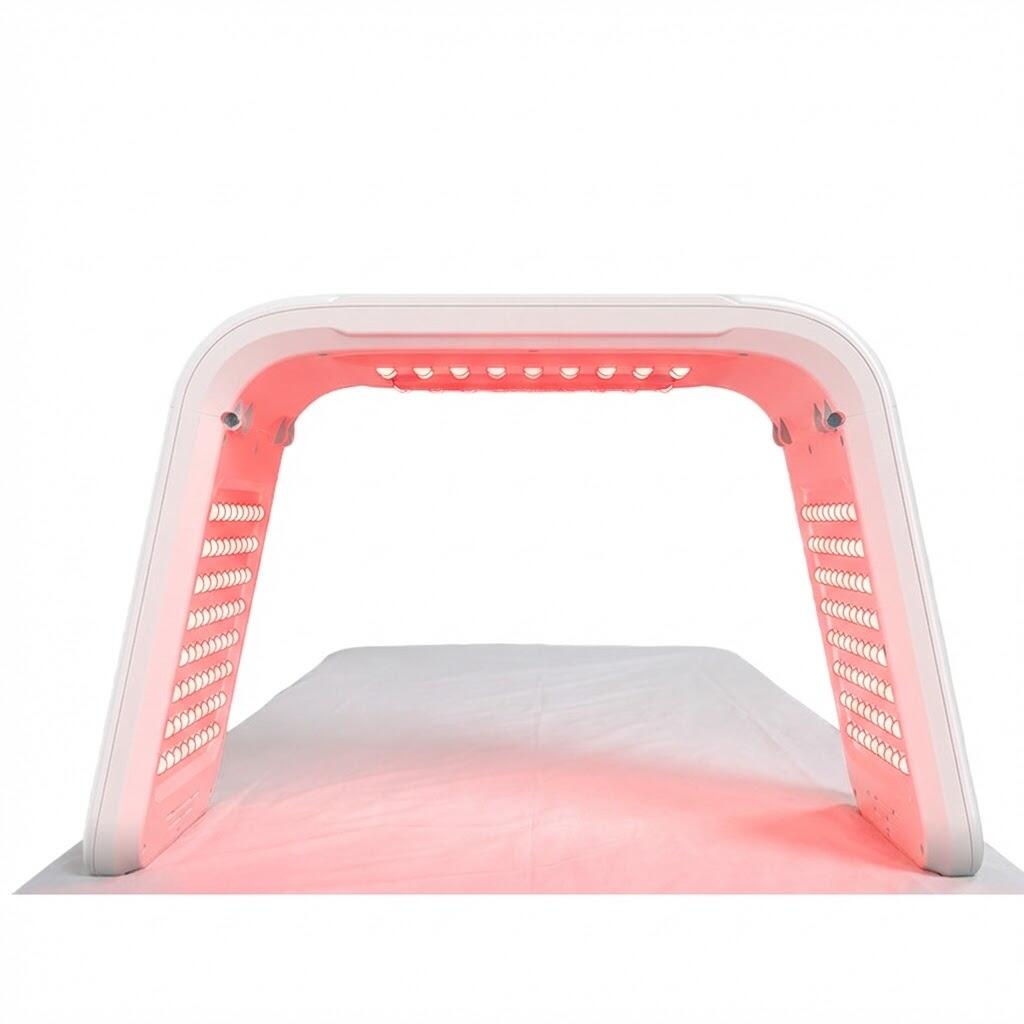
إنَّ الوعد بتقديم علاجات جلدية مهنية المستوى في راحة منزلك قد دفع ملايين المستهلكين نحو الحلول القائمة على الضوء. ويستخدم جهاز العلاج بالضوء للبشرة جهاز علاج البشرة بالضوء أطوال موجية مُستهدفة من الضوء لمعالجة طائفة واسعة من المشكلات، بدءًا من الشعر غير المرغوب فيه وتوحُّد لون البشرة وحتى علامات الشيخوخة والالتهابات. لكن السؤال المحوري الذي يطرحه معظم الأشخاص الذين يفكرون في اعتماد هذه التكنولوجيا بسيطٌ ومباشر: ما مدى فعاليته الفعلية عند الاستخدام المنزلي مقارنةً باستخدامه في بيئة سريرية؟
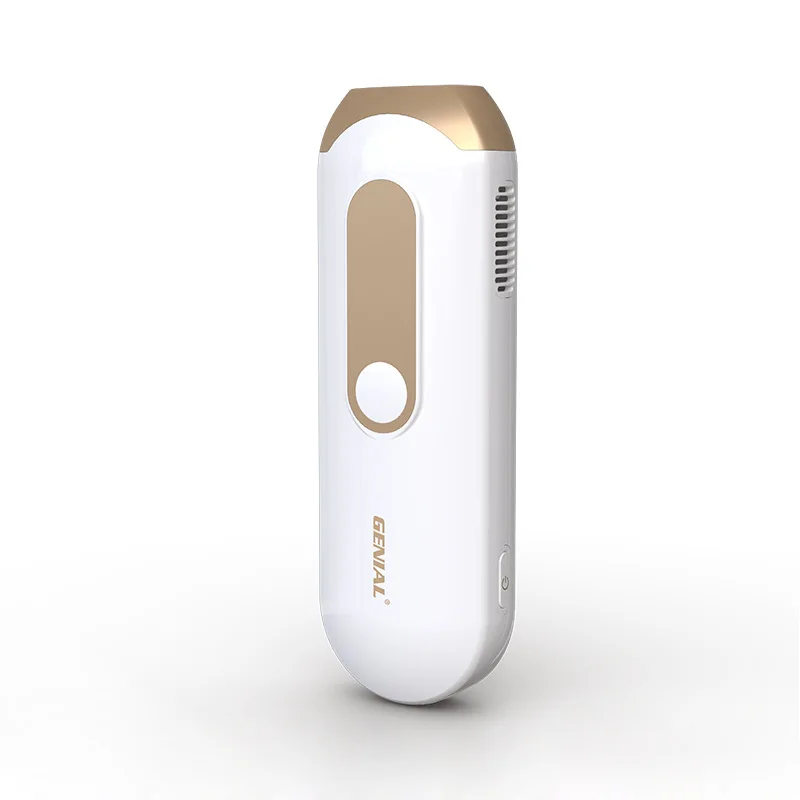
يتطلب فهم فعالية جهاز علاج الجلد بالضوء للاستخدام المنزلي الابتعاد عن اللغة التسويقية والنظر إلى ما تقوله الأبحاث العلمية، وكيف تؤثر أنماط الاستخدام المنتظمة في النتائج، وما العوامل التي تحدد ما إذا كان جهاز معين من المرجح أن يحقّق أهدافك المحددة. ويُحلِّل هذا المقال الأدلة العلمية وآليات العمل والاعتبارات العملية، لتمكينك من تكوين حكمٍ دقيقٍ ومبنٍ على أسسٍ راسخة قبل الاستثمار في العلاج الضوئي المنزلي.
العلم وراء العلاج الضوئي المنزلي
كيف تتفاعل أطوال الموجات الضوئية مع أنسجة الجلد
يعمل كل جهاز علاج بالضوء لتفتيح البشرة وفق مبدأ أساسي: يتم امتصاص أطوال موجية محددة من الضوء بواسطة كروموفورات معينة داخل الجلد، مما يحفّز استجابات بيولوجية. أما في أجهزة الضوء النابض المكثف (IPL)، فيتم ترشيح طيف واسع من الضوء وتوجيهه نحو الجلد، لاستهداف الميلانين في بصيلات الشعر أو الهيموغلوبين في الأوعية الدموية أو هياكل الكولاجين، وذلك حسب الهدف العلاجي. ويتحول امتصاص الطاقة الضوئية بشكل انتقائي إلى حرارة، ما يؤدي إلى إحداث اضطراب في النسيج المستهدف دون التسبب في ضررٍ كبير للمناطق المحيطة.
الأطوال الموجية الحمراء والقريبة من الأشعة تحت الحمراء، التي تُستخدم عادةً في أجهزة العلاج الضوئي منخفض المستوى (LLLT)، تخترق أعمق في طبقة الأدمة وتحفِّز إنتاج الطاقة الخلوية عبر التحويم الضوئي. وتؤدي هذه الآلية إلى تعزيز تصنيع الكولاجين، وتقليل الالتهابات الموضعية، وتسريع إصلاح الخلايا. أما الأطوال الموجية للضوء الأزرق فهي تُمتصُّ بواسطة البروفيرينات التي تنتجها البكتيريا المسبِّبة لحب الشباب، ما يجعلها فعَّالة في إدارة البثور. ويكتسب فهم هذه التفاعلات أهميةً بالغةً؛ لأنه يفسِّر سبب ضرورة مطابقة جهاز العلاج الضوئي للبشرة المناسب مع المشكلة الجلدية المستهدفة.
الأدلة السريرية مقابل الأداء المخصص للمستهلك
تستخدم عيادات الأمراض الجلدية الاحترافية أجهزة عالية القدرة تُرسل طاقةً أكبر بكثيرٍ في كل نبضة مقارنةً بأغلب النماذج الاستهلاكية. ومع ذلك، فقد أكدت دراسات عديدة خاضعة لمراجعة الأقران وتقييمات سريرية أن أجهزة العلاج الضوئي للبشرة المستخدمة في المنزل يمكنها تحقيق نتائج قابلة للقياس عند استخدامها بشكل صحيح ومنتظم على مدى فترة طويلة. أما المقابل لهذا الفرق فهو عادةً الوقت: فما قد تحققه العيادة في أربع إلى ست جلسات، قد يحققه الجهاز المنزلي خلال ثمانية إلى اثني عشر أسبوعاً من الاستخدام المنتظم.
تُظهر الأبحاث المتعلقة بأجهزة العلاج بالضوء النبضي المكثف (IPL) المنزلية باستمرار انخفاضًا في إعادة نمو الشعر بنسبة تتراوح بين ٦٠ و٨٠ في المئة بعد إتمام عدة دورات علاجية لدى الأشخاص الذين يتمتعون بتباين مناسب بين لون البشرة ولون الشعر. كما تُظهر الدراسات الخاصة بأجهزة الضوء الأحمر القائمة على الصمامات الثنائية الباعثة للضوء (LED) تحسّنًا في الخطوط الدقيقة، وملمس البشرة، وعلامات التئام الجروح. والدليل ليس هامشيًّا — بل هو دليلٌ قويٌّ إلى الحد الذي وافقت فيه هيئات تنظيمية مثل إدارة الغذاء والدواء الأمريكية (FDA) على عددٍ كبيرٍ من طرز أجهزة العلاج الضوئي المنزلية للبشرة لاستخدامات محددة، وهي موافقة تمثّل معيارًا ذا مغزى لمصداقية هذه الأجهزة.
العوامل الرئيسية التي تحدد الفعالية في المنزل
توافق لون البشرة ولون الشعر
واحدة من أهم العوامل التي تحدد مدى فعالية جهاز علاج البشرة بالضوء هي توافق لون بشرة المستخدم مع لون شعره. وتعتمد تقنية الضوء النبضي المكثف (IPL) بشكل خاص على التباين بين الميلانين الموجود في بصيلات الشعر والبشرة المحيطة بها لاستهداف البصيلة بشكل انتقائي. وعادةً ما تُحقِّق الشعر الداكن على البشرة الفاتحة أفضل النتائج، لأن الجهاز يستطيع التمييز بين الهدف بدقة أكبر وتوصيل الطاقة مع مخاطر أقل من تسخين سطح البشرة.
يواجه الأشخاص ذوو لون البشرة الداكن جدًّا خطرًا أعلى للتفاعلات السلبية مع إعدادات معينة لتقنية الضوء النبضي المكثف (IPL)، لأن الميلانين الموجود في طبقة الأديم البشري يمتص أيضًا طاقة الضوء. وقد تناولت طرازات أجهزة العلاج بالضوء لتبييض البشرة الحديثة هذه المشكلة من خلال دمج مستشعرات لتحديد درجة لون البشرة التي تقوم تلقائيًّا بضبط شدة الطاقة قبل كل نبضة، مما يقلل من الخطر مع الاستمرار في توصيل الطاقة العلاجية. وإذا كانت درجة لون بشرتك خارج نطاق التوافق الأمثل، فمن الضروري التأكد من أن الجهاز الذي تختاره مصممٌ ومُختبرٌ خصيصًا لنوع بشرتك وفق تصنيف فيتزباتريك.
وتيرة العلاج والالتزام بالبروتوكول
يُعتبر الاتساق العامل الأهم على الأرجح في تحديد مدى فعالية جهاز علاج البشرة بالضوء على المدى الطويل. وعلى عكس الزيارة الواحدة إلى العيادة، يعتمد العلاج المنزلي بالضوء على تراكم الجلسات العلاجية لتحقيق نتائج ملموسة. أما في تطبيقات إزالة الشعر، فعادةً ما تُحدَّد مواعيد الجلسات كل أسبوعين خلال المرحلة الأولية لتتوافق مع دورة نمو الشعر، ثم تليها جلسات صيانة كل أربعة إلى ثمانية أسابيع بعد تحقيق التقليل المطلوب.
الاستخدام غير المنتظم يُضعف النتائج بشكلٍ كبير. فكثيرٌ من المستخدمين الذين أبلغوا عن خيبة أملهم تجاه جهاز العلاج الضوئي لتفتيح البشرة إما تَغافلوا عن الجلسات، أو استخدموا الجهاز بشكلٍ غير متسق على منطقة العلاج، أو أنهوا الاستخدام مبكرًا قبل أن تظهر النتائج. ولذلك فإن وضع جدول زمني منظم واعتبار كل جلسة علاجية بذات الانضباط المطلوب لموعد احترافيٍّ أمرٌ بالغ الأهمية. فالجهاز في حد ذاته أداةٌ — وفعاليةُ هذه الأداة تتبلور في النهاية وفقًا لانضباط الشخص الذي يستخدمها.
جودة الجهاز ومخرجات الطاقة
ليست جميع طرازات أجهزة العلاج الضوئي للبشرة متساوية، ويؤثر الفرق في إخراج الطاقة، وتكنولوجيا النبضات، وآليات التبريد تأثيراً مباشراً على النتائج. فالأجهزة ذات الدرجة الطبية أو ما يقاربها من الأجهزة الاستهلاكية التي تتضمّن ميزات متقدمة مثل التبريد بالثلج أو نوافذ التلامس البلورية من السافير تسمح بتوصيل طاقة أعلى وبأمانٍ مع تقليل الإحساس بعدم الراحة إلى أدنى حدٍّ ممكن. وهذا أمرٌ بالغ الأهمية لأن كثافة الطاقة الكافية ضرورية للوصول إلى العمق المستهدف وتحفيز الاستجابة البيولوجية المرغوبة.
قد تُحدث الأجهزة ذات إخراج الطاقة غير الكافي آثاراً سطحيةً فقط، مما يؤدي إلى نتائج غير مكتملة. وعند تقييم جهاز علاج ضوئي للبشرة للاستخدام المنزلي، تحقَّق من قيمة إخراج الطاقة المذكورة بوحدة الجول لكل سنتيمتر مربع (J/cm²)، إلى جانب نطاق الطول الموجي وعدد الومضات التي صُمِّم الجهاز ليُنتجها خلال عمره الافتراضي. ويمثِّل الجهاز المصمم باستخدام مكونات احترافية ولكن مُعايَرٌ للاستخدام الآمن في المنزل أفضل توليفة ممكنة من الفعالية وسهولة الاستخدام.
نتائج واقعية للشواغل الشائعة المتعلقة بالبشرة
تخفيض دائم للشعر
يُعد التخفيض الدائم للشعر إحدى أكثر التطبيقات الموثَّقة تفصيلًا لتكنولوجيا أجهزة العلاج الضوئي الخفيف للبشرة المستخدمة في المنزل. وبعد إتمام دورة العلاج الأولية الكاملة، يلاحظ معظم المستخدمين الذين تتوافق درجة لون بشرتهم وشعرهم مع متطلبات العلاج انخفاضًا كبيرًا ومستمرًا في كثافة الشعر ومعدل نموه مجددًا. ويُستخدم مصطلح «تخفيض دائم» بدلًا من «إزالة دائمة» لأن بعض الجُريبات قد تتجدَّد مع مرور الوقت، لا سيما في حال حدوث تغيرات هرمونية، ما يستلزم إجراء جلسات صيانة دورية من وقتٍ لآخر.
والتجربة العملية بالنسبة لمعظم المستخدمين هي أنه بعد الانتهاء من المرحلة الأولية، تصبح الحاجة إلى جلسات الصيانة التكميلية أقل بكثير — وأحيانًا لا تتجاوز مرة أو مرتين سنويًّا — للحفاظ على نعومة البشرة. وهذا يُرتب فوائد كبيرة من حيث الراحة والتكلفة مقارنةً بالزيارات المتكررة إلى صالونات التجميل أو العيادات، ما يجعل جهاز العلاج الضوئي الخفيف للبشرة المنزلي استثمارًا جذّابًا على المدى الطويل لإدارة الشعر.
مكافحة الشيخوخة وتجديد شباب الجلد
أظهرت علاجات الأشعة الحمراء والأشعة تحت الحمراء القريبة، المُقدَّمة بواسطة جهاز منزلي لعلاج البشرة بالضوء، تحسُّنًا قابلاً للقياس في كثافة الكولاجين ومرونة الجلد ومظهر الخطوط الدقيقة عند الاستخدام المنتظم. ويتضمَّن هذا الأسلوب تحفيز النشاط الميتوكوندري في خلايا الليفية، ما يُسرِّع الإنتاج الطبيعي للكولاجين والإيلاستين. أما النتائج المحقَّقة في هذا المجال فهي تظهر تدريجيًّا أكثر من نتائج إزالة الشعر؛ إذ تتطلَّب التغيُّرات الملحوظة في متانة الجلد وقوامه عادةً ما بين ستة إلى اثني عشر أسبوعًا من الاستخدام المنتظم.
يُعَدُّ إدارة التوقعات أمراً بالغ الأهمية هنا. فجهاز العلاج بالضوء المُبيِّض للبشرة، الذي يُستخدم في المنزل، لا يمكنه محاكاة النتائج المذهلة والفورية التي تحقّقها علاجات الليزر الجزئي أو تقشير البشرة الكيميائي العميق. بل ما يوفّره هذا الجهاز هو تحسُّن تراكمي ومنخفض الخطورة يتدرّج مع مرور الوقت، دون الحاجة إلى فترة نقاهة أو إشرافٍ احترافي. وللأشخاص الذين يبحثون عن نهجٍ مستدام وغير جراحي للعناية بالبشرة، فإن هذه الميزة تكتسب أهميةً كبيرةً.
الاعتبارات الأمنية للاستخدام المنزلي
موانع الاستعمال والاحتياطات
وبينما يُعتبر جهاز العلاج بالضوء المُبيِّض للبشرة المصمَّم جيدًا آمنًا عمومًا للاستخدام المنزلي عند استخدامه وفقًا للتعليمات، فيجب أخذ بعض موانع الاستعمال على محمل الجد. ويجب على الأشخاص الحوامل أو الذين لديهم تاريخ مرضي من الحالات الحساسة للضوء أو الذين يتناولون أدوية تزيد من حساسية الجلد للضوء استشارة مقدِّم رعاية صحية قبل استخدام أي جهاز منزلي يعمل بالضوء. وبالمثل، لا ينبغي علاج الشامات والوشوم والآفات فائقة التصبغ مباشرةً باستخدام طاقة الضوء النبضي المكثف (IPL)، لأن الميلانين المركز في هذه المناطق قد يمتص طاقة زائدة مما يؤدي إلى تهيج أو تلف.
تشمل طرازات أجهزة العلاج الحديثة لتفتيح البشرة ميزات أمان مدمجة مثل أجهزة استشعار التلامس مع الجلد التي تمنع تشغيل الجهاز ما لم تُكشف عن وضعه الصحيح على سطح الجلد، ومرشحات حجب الأشعة فوق البنفسجية، وقيود تلقائية على شدة الإشعاع. وتقلل هذه الضوابط التصميمية من احتمال حدوث أحداث سلبية ناجمة عن سوء الاستخدام بشكلٍ كبير. ومع ذلك، يظل تثقيف المستخدم أمراً جوهرياً — إذ إن قراءة الدليل الإرشادي بدقة والالتزام بالبروتوكول الموصى به ليسا خياراً بل هما أساس ضمان سلامة العلاج وفعاليته.
العناية بالبشرة بعد العلاج
بعد كل جلسة علاج باستخدام جهاز علاج البشرة بالضوء، قد تشعر البشرة المعالجة باحمرار خفيف أو دفء، والذي يزول عادةً خلال بضع ساعات. ويساعد تطبيق مرطب خالٍ من العطور وواقي شمسي واسع الطيف بعد الجلسة على دعم عملية التعافي وحماية البشرة من التعرض لأشعة فوق بنفسجية قد تؤثر سلبًا على نتائج العلاج. ويُنصح بتجنب استخدام الأحماض المقشرة والريتينويدات والمقشرات الخشنة لمدة تتراوح بين ٢٤ و٤٨ ساعة بعد الجلسة، لإعطاء البشرة الوقت الكافي لتستقر وتستجيب بشكل أمثل للطاقة الضوئية.
كما تتأثر النتائج طويلة المدى بالانتظام العام في روتين العناية بالبشرة بين الجلسات. ويُحقّق جهاز علاج البشرة بالضوء أفضل النتائج عندما يكون جزءًا من نهج شامل يتضمّن الترطيب الكافي، وحماية البشرة من أشعة الشمس، وروتين تنظيف غير مهيج. وعندما يُدعم العلاج الضوئي بعادات عناية مناسبة بالبشرة، تتراكم الفوائد البيولوجية بشكل أكثر فعالية، وتظهر النتائج بشكل أكثر وضوحًا.
الأسئلة الشائعة
كم من الوقت يستغرق ظهور النتائج من جهاز علاج تفتيح البشرة في المنزل؟
في حالة إزالة الشعر، يبدأ معظم المستخدمين في ملاحظة انخفاض في إعادة النمو بعد ثلاث إلى أربع جلسات، مع ظهور نتائج ملحوظة بعد ثمانية إلى اثني عشر أسبوعًا من العلاج المنتظم. أما فوائد تجديد البشرة ومكافحة الشيخوخة الناتجة عن العلاج بالضوء الأحمر فهي تتطلب عمومًا ستة إلى اثني عشر أسبوعًا من الاستخدام المنتظم قبل أن تصبح التحسينات الملحوظة في ملمس البشرة ونضارتها واضحة. وبغض النظر عن الغرض المقصود من الاستخدام، فإن الصبر والانتظام أمران أساسيان.
هل يكون جهاز علاج تفتيح البشرة المنزلي بنفس فعالية العلاجات التي تُقدَّم في العيادات المهنية؟
عادةً ما تعمل الأجهزة المنزلية عند مستويات طاقة أقل مقارنةً بالمعدات السريرية الاحترافية، ما يعني أن تحقيق النتيجة نفسها قد يتطلب عدد جلسات أكبر على مدى فترة أطول. ومع ذلك، ففي أكثر التطبيقات شيوعًا — مثل تقليل نمو الشعر وتجديد البشرة — أظهرت الأجهزة المنزلية عالية الجودة نتائج سريرية ذات دلالة، وهي نتائج قابلة للمقارنة بشكل واسع من حيث النتائج النهائية، حتى لو اختلفت المدة الزمنية اللازمة لتحقيقها. وتُشكّل سهولة الاستخدام والوفورات الكبيرة في التكلفة على المدى الطويل مزايا جوهرية عديدة للمستخدمين.
هل يمكن لجميع أنواع البشرة استخدام جهاز العلاج الضوئي للبشرة بأمان؟
تم تصميم معظم طرازات أجهزة العلاج بالضوء المُبيِّض للبشرة الحديثة لتناسب نطاقًا واسعًا من أنواع البشرة وفق تصنيف فيتزباتريك، كما أن العديد منها مزوَّدٌ بأجهزة استشعار تلقائية لدرجة لون البشرة لتكييف شدة العلاج وفقًا لذلك. ومع ذلك، ينبغي على الأشخاص ذوي درجات لون البشرة الداكنة جدًّا (النوعان الخامس والسادس وفق تصنيف فيتزباتريك) التحلي بالحذر عند استخدام أجهزة الضوء النبضي المكثف (IPL)، والتأكد من أن الطراز المحدد الذي يختارونه قد خضع لاختبارات وأُقرَّ استخدامه لأنواع بشرتهم. أما أجهزة العلاج بالضوء الأحمر فتُعتبر عمومًا آمنةً لجميع درجات لون البشرة، نظرًا لأن آلية عملها لا تعتمد على امتصاص الميلانين.
كم عدد اللمعات التي يُمكن أن يُنتجها جهاز العلاج بالضوء المُبيِّض للبشرة؟
يُقاس عمر جهاز العلاج بالضوء للبشرة عادةً بعدد الومضات، والذي يتراوح من حوالي ٣٠٠٬٠٠٠ ومضة للأجهزة الأساسية إلى أكثر من ٩٠٠٬٠٠٠ ومضة للأجهزة المتميزة. أما بالنسبة لبروتوكول إزالة الشعر من الجسم بالكامل، فقد تستخدم الجلسة الواحدة ما بين ٢٠٠ و٥٠٠ ومضة حسب منطقة الجسم والتقنية المستخدمة. وبالتالي، فإن الجهاز الذي يحمل تصنيفًا قدره ٥٠٠٬٠٠٠ ومضة سيوفّر سنواتٍ عديدةً من الاستخدام المنتظم وفق جدول علاج نموذجي، مما يجعل عدد الومضات عاملًا مهمًّا يجب أخذه في الاعتبار عند تقييم القيمة والاستخدام طويل الأمد.
جدول المحتويات
- العلم وراء العلاج الضوئي المنزلي
- العوامل الرئيسية التي تحدد الفعالية في المنزل
- نتائج واقعية للشواغل الشائعة المتعلقة بالبشرة
- الاعتبارات الأمنية للاستخدام المنزلي
-
الأسئلة الشائعة
- كم من الوقت يستغرق ظهور النتائج من جهاز علاج تفتيح البشرة في المنزل؟
- هل يكون جهاز علاج تفتيح البشرة المنزلي بنفس فعالية العلاجات التي تُقدَّم في العيادات المهنية؟
- هل يمكن لجميع أنواع البشرة استخدام جهاز العلاج الضوئي للبشرة بأمان؟
- كم عدد اللمعات التي يُمكن أن يُنتجها جهاز العلاج بالضوء المُبيِّض للبشرة؟