EN
EN


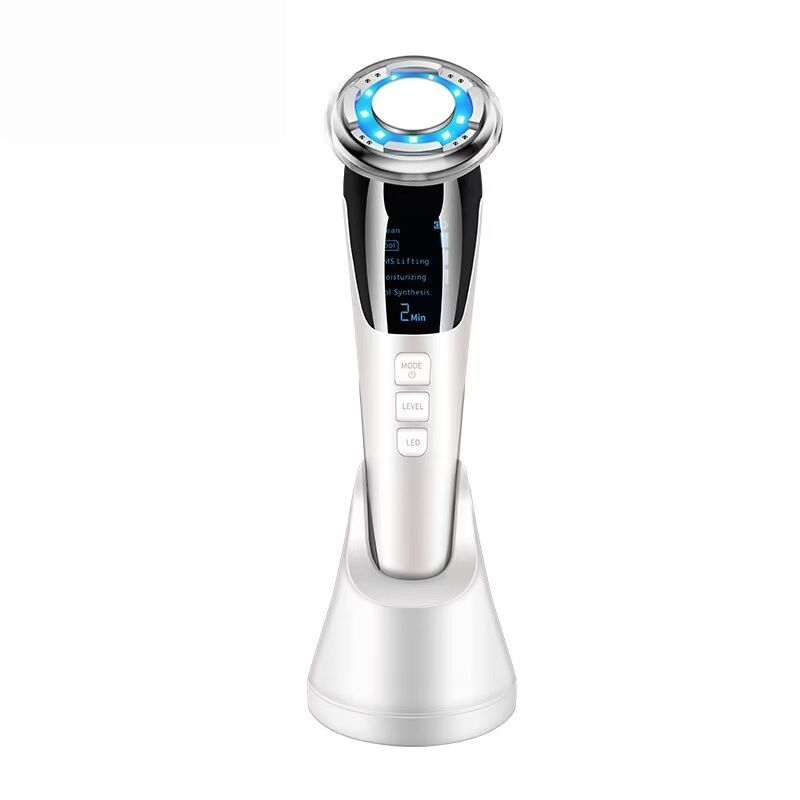
Qeyri-invaziv üz bərpa prosedurları ilə bağlı olaraq, istehlakçı və ya gözəllik mütəxəssisi üçün yüz qaldırmaq üçün ən yaxşı radio tezlikli cihazı seçmək ən vacib qərarlardan biridir. üz üçün ən yaxşı radio tezlikli cihaz qaldırma prosesi istehlakçı və ya gözəllik mütəxəssisi üçün ən vacib qərarlardan biridir. Radio tezlik texnologiyası dərinin gərginləşdirilməsi, incə xətlərin görünüşünün azaldılması və daha gənc üz konturu bərpa edilməsi üçün klinik olaraq dəstəklənən üsul kimi müasir dəri baxımının əsasını təşkil edir — hamısı əməliyyat müdaxiləsi tələb etmədən. Evdə və peşəkar səviyyəli cihazlara olan tələbat davam etdikcə, ən yaxşı variantı həqiqətən nəyin müəyyənləşdirildiyini başa düşmək, etibarlı və məlumatlı alış-veriş etmək üçün vacib olur.
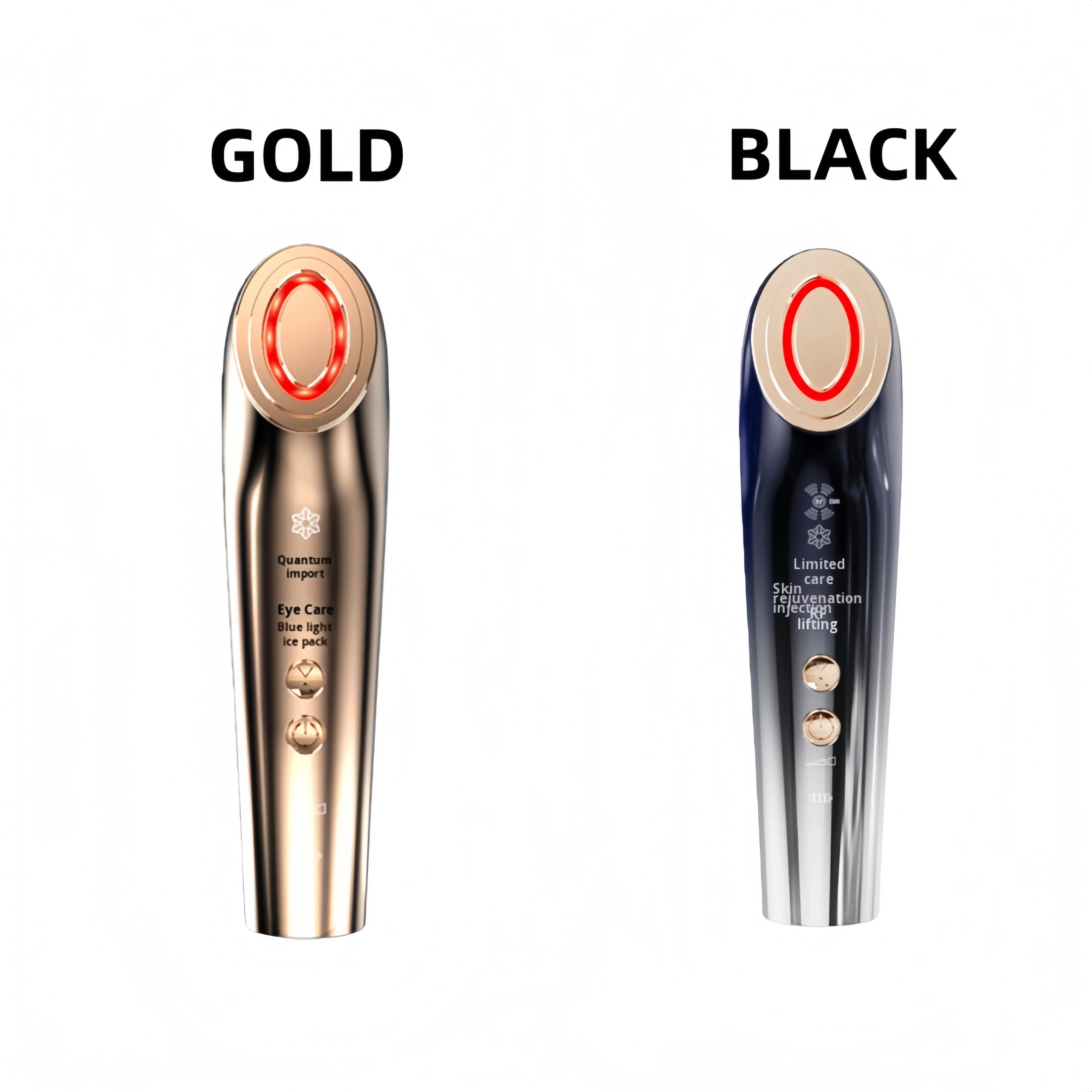
Bazar peşəkar nəticələr verdiyini iddia edən cihazlarla doludur, lakin bütün radio tezlik maşınları eyni keyfiyyət, təhlükəsizlik standartları və ya texnoloji dərinliklə yaradılmayıb. üz üçün ən yaxşı radio tezlikli cihaz qaldırma proseduru, bir neçə sübut olunmuş texnologiyaları, ergonomik dizaynı və sabit enerji verilməsini birləşdirərək görünən, davamlı nəticələr əldə etməyə imkan verir. Bu məqalədə yüksək performanslı cihazı orta səviyyəli cihaddan fərqləndirən meyarlar, texnologiyanın necə işlədiyi və hansı xüsusiyyətlərə diqqət yetirilməli olduğu ətraflı izah olunur.
Üz qaldırması üçün radio tezlik texnologiyasını anlamaq
RF enerjisi və dəri gərginləşdirilməsinin elmi əsasları
Radio tezlik enerjisi dərin dəri qatlarına, xüsusilə dərmis və onun altındakı lifli toxumaya idarə olunan termal enerji verərək işləyir. Bu istilik doğru tezlikdə və dərinlikdə tətbiq edildikdə mövcud kollogen liflərinin yığılmasını stimullaşdırır və yeni kollogen və elastin sintezini sürətləndirən orqanizmin təbii yara sağalma reaksiyasını aktivləşdirir. Vaxt keçdikcə bu proses dərinin daha gərgin, qaldırılmış və teksturu ilə tonu yaxşılaşmış halına gətirir.
Səthi səviyyədəki müalicələrdən fərqli olaraq, RF enerjisi dərinin xarici epidermis təbəqəsini keçir və daxildən işləyir; buna görə də nəticələr daha davamlı və strukturca mənalı olur. Dəri yalnız müvəqqəti olaraq gərgin görünmür — altlıqdakı toxuma həqiqətən yenidən formalaşır. Bu, üzün qaldırılması üçün ən yaxşı radio tezlikli cihazın qısa müddətli kosmetik düzəliş deyil, uzunmüddətli investisiya kimi qiymətləndirilməsinin əsas səbəbidir.
Üz üçün RF cihazlarında istifadə olunan tezlik aralığı adətən 0,3 MHz ilə 10 MHz arasındadır. Bu aralıqda işləyən cihazlar düzgün istifadə edildikdə səth yanğılarını baş verdirmədən dərinin derma təbəqəsinə çata bilir. Enerjinin təqdim edilməsinin dəqiqliyi yaxşı mühəndisliklə yaradılmış cihazı pis dizayn edilmiş bir cihaddan ayırır və bu, üz üçün ən yaxşı radio tezlikli cihaz seçərkən qiymətləndiriləcək ən vacib amillərdən biridir.
RF qaldırmanın digər invaziv olmayan müalicələrdən fərqləri
Hazırda bazarда mikrocərəyan terapiyası, LED işıq terapiyası, ultrases əsaslı liftinq və lazerlə yenidən səthləşdirmə kimi bir çox invaziv olmayan üz müalicələri mövcuddur. Bu texnologiyaların hər biri fərqli dəri problemlərinə yönəlib və müxtəlif mexanizmlərlə işləyir. Radio tezlik (RF) isə kollogenin parçalanması səbəbiylə yaranan dəri laxlığı və həcmin itirilməsi kimi iki ən görünən üz yaşlanma əlamətini xüsusi olaraq hədəfləyərək digər texnologiyalardan fərqlənir.
Məsələn, mikrocərəyan terapiyası aşağı səviyyəli elektrik cərəyanları ilə üz əzələlərini stimullaşdırmaqla işləyir; bu da əzələ tonusunu və üz konturunu yaxşılaşdıra bilər. Bəzi problemlər üçün effektiv olsa da, mikrocərəyan terapiyası kollogenin RF enerjisi kimi eyni şəkildə remodelləşdirilməsi üçün kifayət qədər dərinliyə nüfuz edə bilmir. Üz liftinqi üçün ən yaxşı radio tezlik maşını tez-tez RF-ni mikrocərəyan və ya qırmızı işıq terapiyası kimi tamamlayıcı texnologiyalarla birləşdirir ki, bu da dərinin bir neçə təbəqəsini eyni zamanda hədəfləyərək daha kompleks nəticələr verə bilər.
Bu çoxtexnoloji yanaşma, yüksək səviyyəli evdə istifadə edilən cihazlarda artan dərəcədə yayılmışdır və üzün yaşlanmasının bir neçə toxuma təbəqəsində necə baş verdiyinə dair daha dərin anlayışa əks olunur. Yalnız RF enerjisi tətbiq edən bir cihaz hələ də effektiv ola bilər, lakin əlavə modalitələri birləşdirən cihazlar tək bir müalicə seansında daha geniş spektrli problemləri həll edə bilər.
Üzün qaldırılması üçün ən yaxşı radio tezlik maşınlarını müəyyən edən əsas xüsusiyyətlər
Tam nəticələr üçün çoxtexnoloji inteqrasiya
Üzün qaldırılması üçün ən yaxşı radio tezlik maşını yalnız bir texnologiyaya əsaslanmır. Öncü cihazlar RF enerjisini mikrocərəyan stimulyasiyası, qırmızı işıq terapiyası və bəzən səs dalğası titrəşimi və ya ionların daxil edilməsi funksiyaları ilə birləşdirir. Bu texnologiyaların hər biri dəri sağlamlığının fərqli aspektlərinə töhfə verir: RF dərinin gərginləşməsini və qaldırılmasını təmin edir, mikrocərəyan dəri tonusunu artırır və formasını düzəldir, qırmızı işıq iltihabı azaldır və hüceyrələrin bərpasını dəstəkləyir, titrəşim isə məhsulların dəriyə udulmasını və qan dövranını yaxşılaşdırır.
Bu texnologiyalar bir qurğuda ağıllı şəkildə birləşdirildikdə, dəri üzərində yaratdıqları ümumi təsir heç bir tək rejimin təkbaşına əldə edə biləcəyi təsirdən əhəmiyyətli dərəcədə daha güclü olur. Buna görə də çoxfunksiyalı qurğular dəri qulluğu mütəxəssisləri və məlumatlı istehlakçılar arasında üstünlük verilən seçim halına gəlib. Üz üçün ən yaxşı radio tezlikli qurğunu qiymətləndirmək demək, yalnız RF komponentinə deyil, həmçinin qurğunun təqdim etdiyi tam texnologiya yığımına baxmaq deməkdir.
Həmçinin bu texnologiyaların necə tətbiq olunduğunu nəzərdə tutmaq da vacibdir. Bəzi qurğular bütün funksiyaları eyni zamanda tətbiq edir, digərləri isə istifadəçilərə dəri problemi və ya müalicə mərhələsinə uyğun olaraq fərdi rejimləri seçməyə imkan verir. Tətbiqetmədə esneklik praktik üstünlükdür, xüsusilə dərinin reaksiyası və inkişafı ilə müvafiq olaraq öz qaydalarını vaxt keçdikcə fərdiləşdirmək istəyən istifadəçilər üçün.
Qurğunun keyfiyyəti, təhlükəsizlik mexanizmləri və dəri ilə təmas dizaynı
Cihazın fiziki quruluşu onun mühəndislik keyfiyyətinin birbaşa əksidir. Üzün gərginləşdirilməsi üçün ən yaxşı radio tezlikli cihaz dəri səthi ilə sabit və bərabər təmasda qalan müalicə başlığına malik olmalıdır. Bərabərsiz təmas enerjinin bərabərsiz verilməsinə səbəb olur ki, bu da nəticələrin bərabərsiz çıxmasına və ya pis dizayn edilmiş cihazlarda lokal istiləşməyə gətirib çıxara bilər.
Üz üçün nəzərdə tutulan hər hansı bir RF cihazında təhlükəsizlik mexanizmləri müzakirə olunmazdır. Etibarlı cihazlar avtomatik temperatur tənzimlənməsini, cihazın dəri üzərində düzgün yerləşdirilmədiyi zaman enerji yayılmasını dayandıran dəri təmas sensorlarını və istifadəçilərin ehtiyatla başlayıb sonra postepen artırmağa imkan verən tənzimlənə bilən intensivlik səviyyələrini özündə birləşdirir. Bu xüsusiyyətlər dərinin termal zədələnməsindən qorunmasını təmin edir və cihazı daha geniş dəri tipləri və həssaslıqları üçün uyğun edir.
Əl qələminin ergonomik dizaynı da bir çox alıcının əvvəlcədən fərq etdiyindən daha vacibdir. Dözümlü tutulması və üzün konturları — çənə xətti, yanık sümükləri, alın və gözlərin altı sahəsi — boyunca rahat idarə edilə bilən cihaz daha tez-tez istifadə olunacaq və ardıcıl istifadə — hər hansı bir RF cihazı ilə görünən qaldırma nəticələrinə nail olmaq üçün ən vacib amildir.
Ev şəraitində istifadə olunan RF cihazları üçün performans meyarlarının qiymətləndirilməsi
Enerji çıxışı və müalicə dərinliyi
Üz qaldırmaq üçün ən yaxşı radiofrekvanslı cihaz seçərkən ən mənalı performans meyarlarından biri cihazın enerji çıxışı və hədəf toxuma dərinliyinə çatma qabiliyyətidir. Peşəkar klinika cihazları adətən evdə istifadə olunan cihazlardan daha yüksək enerji səviyyəsində işləyir, lakin istehlakçı texnologiyalarının inkişafı ilə bu fərq əhəmiyyətli dərəcədə azalmışdır. Müasir evdə istifadə olunan RF cihazları indi tövsiyə olunan müalicə müddəti ərzində ardıcıl şəkildə istifadə edildikdə klinik olaraq əhəmiyyətli enerji səviyyələrini təmin edə bilir.
Emal dərinliyi RF enerjisinin tezliyi və elektrodun dizaynına görə müəyyən edilir. Monopolyar RF cihazları, bipolar konfiqurasiyalara nisbətən daha dərindən nüfuz etməyə meyllidir; buna görə də daha dərin toxuma laxlığına qarşı mübarizə aparmaq üçün daha uyğundur. Digər tərəfdən, bipolar cihazlar göz və ya dodaqlar kimi həssas sahələr üçün yaxşı uyğunlaşdırılmış, daha kontrollü və səthi səviyyədə emal imkanı verir. Üzün qaldırılması üçün ən yaxşı radio tezlikli cihaz elektrod konfiqurasiyasını və hədəflənən dərinliyi göstərir ki, istifadəçilər cihazı öz konkret narahatlıqlarına uyğunlaşdıra bilərlər.
İstifadəçilər həmçinin cihazın hər bir seans üçün müalicə müddətini və tövsiyə olunan istifadə tezliyini nəzərə almalıdır. Əksər ev şəraitində istifadə olunan RF cihazları ilk bir neçə həftə ərzində həftədə iki-dəfə və ya üç-dəfə, hər seans 10–20 dəqiqə davam etməli olan prosedurları tələb edir; bundan sonra qoruyucu istifadə rejimi tətbiq olunur. Çox uzun seanslar və ya çox tez-tez istifadə tələb edən cihazlar daha aşağı enerji səmərəliliyini göstərə bilər, halbuki aydın və elmi sübutlarla təsdiqlənmiş protokolları olan cihazlar daha diqqətli mühəndislik işini əks etdirir.
Dəri tipləri və rəngləri ilə uyğunluq
Bütün RF cihazları bütün dəri tipləri üçün eyni dərəcədə uyğun deyil. Bəzi köhnə RF texnologiyaları əsasən açıq dəri rənglərində sınaqdan keçirilmişdir, lakin müasir cihazlar daha geniş uyğunluq nəzərdə tutularaq hazırlanmışdır. Üz üçün ən yaxşı radio tezliyli cihaz, post-inflamatuar hiperpigmentasiya və ya bərabərsiz termal reaksiya riski olmadan, açıqdan qoyu rəngli dəriyə qədər müxtəlif dəri rənglərində təhlükəsiz və effektiv olmalıdır.
Həssas dəriyə malik şəxslər, bir neçə intensivlik parametrləri təklif edən və aşağı enerjili tanışlıq rejimi daxil edən cihazları seçməlidirlər. Bu, dərinin müalicəyə yavaş-yavaş uyğunlaşmasına imkan verir və ilk seanslar zamanı irritasiya riskini azaldır. Yalnız bir sabit intensivlik təklif edən cihazlar daha az uyğundur və reaktiv və ya pozulmuş dəri baryerli istifadəçilər üçün uyğun ola bilməz.
Həmçinin qeyd etmək lazımdır ki, RF enerjisi ümumiyyətlə cihazın göstərilən qaydada istifadə edilməsi halında əksər dəri növləri üçün təhlükəsiz hesab olunur. Bununla belə, bəzi tibbi xəstəliklərə (məsələn, implant edilmiş elektron cihazlar, aktiv dəri infeksiyaları və ya keloid çapıqlarının tarixi) sahib olan şəxslər hər hansı bir RF müalicəsi proqramına başlamazdan əvvəl sağlamlıq mütəxəssisi ilə məsləhətləşməlidirlər. Üzü qaldırmaq üçün ən yaxşı radio tezlikli cihaz öz sənədlərində aydın qarşı-göstəricilər haqqında məlumat verir.
Doğru cihazı seçmək üçün praktik nəzərə alınacaq amillər
Ev şəraitində istifadə və peşəkar səviyyəli cihazlar
Ev şəraitində istifadə olunan və peşəkar səviyyəli RF cihazları arasındakı fərq, alıcılar üçün başa düşülməsi vacib olan bir məsələdir. Kliniki şəraitdə istifadə olunan peşəkar cihazlar adətən daha güclüdür, təlim keçmiş operatorların idarə etməsini tələb edir və bir dəfəlik seanslar üçün nəzərdə tutulmuşdur; bu seanslar dərhal görünən nəticələr verir. Ev şəraitində istifadə olunan cihazlar isə təhlükəsiz, təkrar öz-özünə istifadə üçün kalibre edilmişdir və bir sıra seans boyu toplanan nəticələr vermək üçün hazırlanmışdır.
Çoxlu istehlakçılar üçün ev şəraitində istifadə olunan cihaz, ardıcıl RF müalicəsinin ən praktik və sərfəli yolu kimi çıxış edir. Ev şəraitində istifadə üçün ən yaxşı radio tezlikli üz qaldırma maşını, müntəzəm istifadə ilə dörd-dəyi səkkiz həftə ərzində əhəmiyyətli nəticələr verə bilməlidir; uzun müddətli müalicə dövrü ərzində isə nəticələr daha da yaxşılaşır. Tək bir seansdan sonra dərhal və çox gözəl nəticələr vaad edən cihazlar, ehtimal ki, öz imkanlarını artıq qiymətləndirirlər.
Ev şəraitində istifadə olunan RF cihazlarının dəyər təklifi uzunmüddətli xərclər baxımından da çox cəlbedici hesab olunur. Tək bir peşəkar RF müalicəsi sessiyası bahalı ola bilər və eyni ümumi təsiri əldə etmək üçün adətən bir neçə sessiya tələb olunur; halbuki keyfiyyətli ev istifadəsi üçün nəzərdə tutulmuş cihaz bu təsiri vaxt keçdikcə təmin edə bilər. Daimi dəri qayğı rutini ilə məşğul olan istifadəçilər üçün evdə üz üçün ən yaxşı radio tezlik maşınına investisiya etmək, adətən, daha iqtisadi və rahat seçimdir.
Bakım, ömür müddəti və satışdan sonrakı dəstək
Cihazın uzunmüddətli etibarlılığı onun ilk performansı qədər vacibdir. Üzü qaldırmaq üçün ən yaxşı radio tezlik maşını müəyyən bir müddət ərzində təkrar-təkrar istifadəyə davam gətirərək enerji çıxışı və ya komponentlərin arızalanması olmadan işləməlidir. Müalicə başlığı üçün davamlı materiallardan istifadə edən, elektrod səthləri əvəz edilə bilən və ya təmizlənə bilən və əhəmiyyətli zəmanət müddəti təmin edən cihazları seçin.
Satınalma qərarı zamanı tez-tez nəzərdən qaçılan, lakin problemlər yaranarsa kritik əhəmiyyət kəsb edən başqa bir amil də satışdan sonrakı dəstəkdir. Etibarlı istehsalçılar aydın istifadəçi təlimatları, operativ müştəri xidməti və əvəz edilə bilən hissələr və ya aksesuarlara giriş imkanı təmin edirlər. Güclü satışdan sonrakı infrastruktur tərəfindən dəstəklənən cihaz, istehsalçının məhsulun keyfiyyətinə etibar etdiyini və istifadəçinin uzunmüddətli uğuruna investisiya etdiyini göstərir.
Alıcılar həmçinin RF müalicələri üçün adətən enerjinin səlis ötürülməsini təmin etmək və dərinin səthini qorumaq üçün tələb olunan keçirici gel və ya serumun mövcudluğunu da nəzərə almalıdır. Bəzi cihazlar müəyyən xüsusi gel ilə işləmək üçün hazırlanmışdır, digərləri isə standart su əsaslı keçirici gellərlə uyğundur. Cihazın davamlı istehlak edilən materiallarla bağlı tələblərini anlamaq, alıcıların ümumi sahiblik dəyərini vaxt keçdikcə dəqiq qiymətləndirməsinə kömək edir.
Tez-tez verilən suallar
Yüzümə radio tezlikli cihazını neçə dəfə istifadə etməliyəm?
Çoxlu ev cihazları üçün tövsiyə olunan tezlik, dörd-dən səkkiz həftəlik başlanğıc müalicə mərhələsində həftədə iki-dən üç dəfədir. Görünən nəticələr əldə edildikdən sonra qaldırma və gərginləşdirmə təsirlərini qorumaq üçün adətən həftədə bir dəfə və ya hər iki həftədə bir dəfə aparılan qoruyucu müalicə kifayət edir. Enerji çıxışı səviyyələri məhsullar arasında fərqləndiyi üçün həmişə cihaz istehsalçısı tərəfindən verilən xüsusi protokolu izləyin.
Yüz qaldırmaq üçün ən yaxşı radio tezlikli maşınla nə qədər müddətdə nəticələr görünür?
Çoxlu istifadəçilər dəqiq istifadənin üç-dən dörd həftəsi ərzində dəri gərginliyi və teksturasında yaxşılaşmaları müşahidə etməyə başlayırlar. Daha əhəmiyyətli qaldırma və kontur verilmə nəticələri adətən müntəzəm müalicənin altı-dən səkkiz həftəsi ərzində görünür. RF texnologiyası kollogen sintezini stimullaşdıraraq işləyir — bu isə vaxt tələb edən bioloji prosesdir; buna görə də sabırlılıq və davamlılıq çox vacibdir. Yeni kollogen yetişdikcə ilk müalicə mərhələsindən sonra bir neçə həftə ərzində nəticələr daha da yaxşılaşır.
Yüz üçün istifadə edilən ən yaxşı radio tezliyi maşını həssas dəri üçün təhlükəsizdir?
Bəli, RF texnologiyası ümumiyyətlə həssas dəri tərəfindən uyğun intensivlik səviyyələrində istifadə olunduqda yaxşı qəbul edilir. Çoxsaylı intensivlik ayarlarına malik cihazlar istifadəçilərə aşağı enerji səviyyəsindən başlayıb dərinin uyğunlaşması ilə birlikdə postepen olaraq intensivliyi artırmağa imkan verir. Tam üz müalicələrinə başlamazdan əvvəl kiçik bir sahədə test etmək məsləhətdir və aktiv irritasiya, günəş yanığı və ya zədələnmiş dəriyə RF cihazlarından istifadə etməkdən çəkinmək lazımdır. Məlum dəri həssaslığı olan şəxslər üçün başlamaqdan əvvəl dermatoloqla məsləhətləşmək həmişə ağıllı addımdır.
Radio tezliyi cihazları digər dəri baxımı müalicələri ilə birlikdə istifadə edilə bilər?
Əksər hallarda bəli. RF müalicələri, serumlar, nemləndiricilər və digər qeyri-invaziv müalicələri daxil edən daha geniş dəri qulluğu rutini ilə tamamlaya bilər. Həqiqətən də, RF enerjisi dərinin keçiriciliyini müvəqqəti olaraq artıraraq topikal tətbiq olunan aktiv maddələrin dəri tərəfindən udulmasını artırır. Bununla belə, kimyəvi soyulmalar, lazer müalicələri və ya dəri barьерini pozan başqa prosedurlardan dərhal sonra RF cihazlarından istifadə etmək ümumiyyətlə tövsiyə olunmur. RF seanslarına qayıtmaq üçün dərinin tamamilə bərpa olmasına imkan verin və bir neçə müalicə rejimi birləşdirərkən dəri qulluğu mütəxəssisi ilə məsləhətləşin.
Mündəricat
- Üz qaldırması üçün radio tezlik texnologiyasını anlamaq
- Üzün qaldırılması üçün ən yaxşı radio tezlik maşınlarını müəyyən edən əsas xüsusiyyətlər
- Ev şəraitində istifadə olunan RF cihazları üçün performans meyarlarının qiymətləndirilməsi
- Doğru cihazı seçmək üçün praktik nəzərə alınacaq amillər
-
Tez-tez verilən suallar
- Yüzümə radio tezlikli cihazını neçə dəfə istifadə etməliyəm?
- Yüz qaldırmaq üçün ən yaxşı radio tezlikli maşınla nə qədər müddətdə nəticələr görünür?
- Yüz üçün istifadə edilən ən yaxşı radio tezliyi maşını həssas dəri üçün təhlükəsizdir?
- Radio tezliyi cihazları digər dəri baxımı müalicələri ilə birlikdə istifadə edilə bilər?