EN
EN



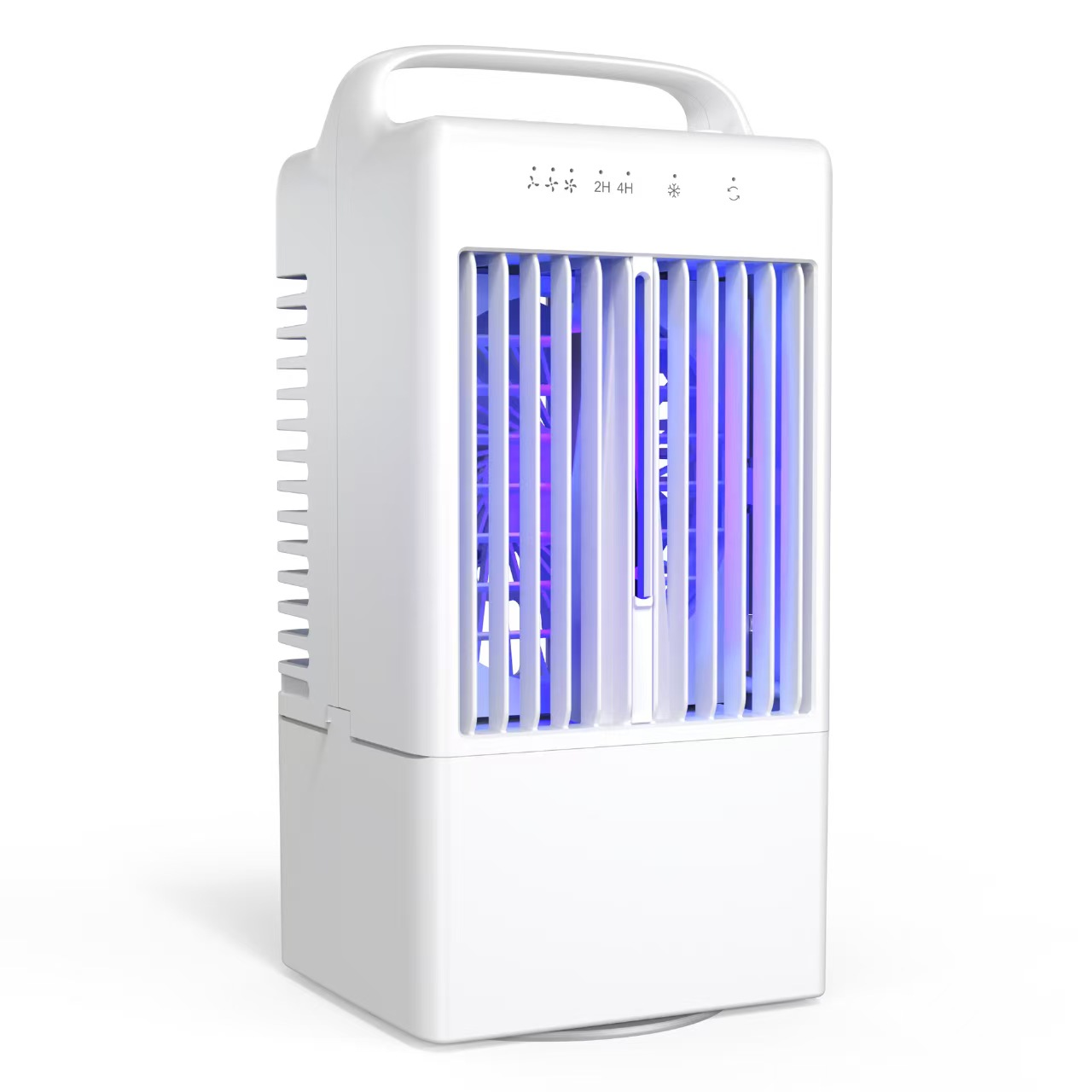
A compressed air cooler is a practical device engineered to reduce air temperature quickly and efficiently, whether in a compact office environment or a demanding industrial workspace. Understanding how this technology works is essential for anyone looking to improve thermal comfort, reduce energy consumption, or maintain consistent performance in heat-sensitive applications. The compressed air cooler achieves its results through specific physical principles that distinguish it from conventional cooling solutions.
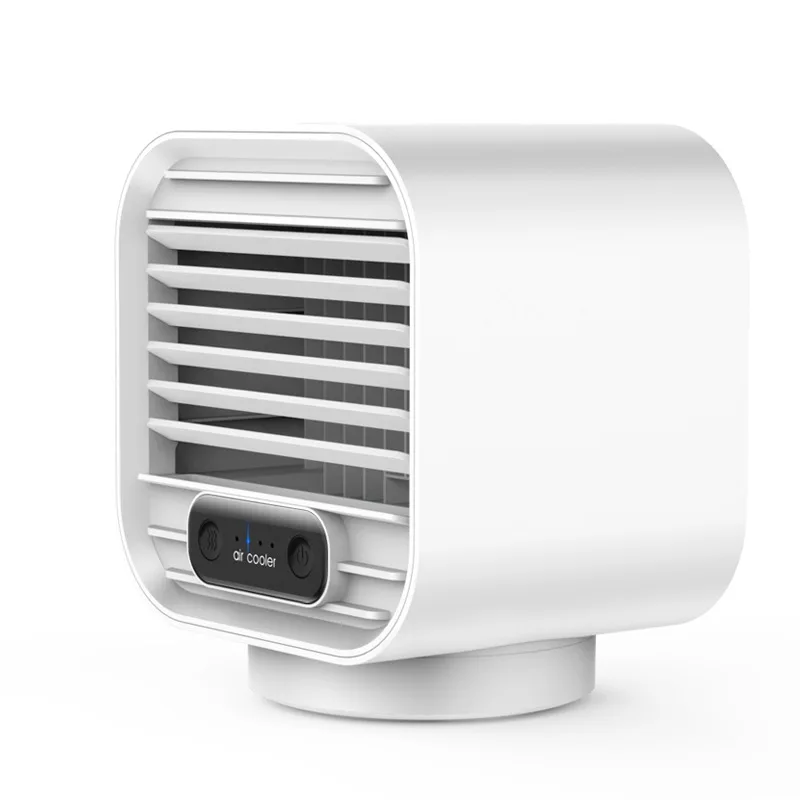
The growing demand for energy-efficient, flexible cooling solutions has pushed the compressed air cooler into the spotlight across multiple sectors. From desktop and wall-mounted models used in personal spaces to high-capacity units deployed in manufacturing facilities, the compressed air cooler continues to evolve. This article explores the core mechanisms through which a compressed air cooler improves cooling efficiency, the structural factors that influence its performance, and how to maximize its output in real-world conditions.
The Core Mechanism of a Compressed Air Cooler
How Compression and Expansion Drive Cooling
The fundamental principle behind a compressed air cooler involves the thermodynamic relationship between air pressure, volume, and temperature. When compressed air is allowed to expand rapidly, its temperature drops significantly. This is the foundation on which a compressed air cooler operates. By controlling the rate and direction of this expansion, the compressed air cooler delivers a focused stream of cooled air to a target area with minimal energy waste.
In vortex-based compressed air cooler designs, compressed air enters a specially shaped chamber and spins at high velocity. This spinning action separates the air into a cold stream and a warm stream. The cold output from a compressed air cooler using this vortex method can reach temperatures well below the inlet air temperature, providing immediate and reliable cooling without the need for refrigerants or electrical compressors at the point of use. The compressed air cooler therefore delivers efficient results while maintaining a simple mechanical structure.
Airflow Design and Heat Dissipation
The internal airflow design of a compressed air cooler plays a major role in its overall efficiency. A well-designed compressed air cooler channels cooled air directly toward the target surface or environment while simultaneously directing warm air away. This separation prevents re-circulation of warm air, which is a common inefficiency found in less sophisticated cooling systems. In desktop and portable compressed air cooler models, high-speed fans assist in distributing cooled air more evenly across a room or workstation.
Heat dissipation efficiency in a compressed air cooler also depends on the quality of its internal components. Fins, chambers, and outlet nozzles all influence how quickly heat is transferred away from the cooling zone. A compressed air cooler with optimized fin geometry and smooth internal surfaces generates less turbulence, which means more of the energy input translates directly into useful cooling output rather than mechanical noise or heat loss.
Structural Factors That Enhance Compressed Air Cooler Performance
Form Factor and Mounting Options
The physical configuration of a compressed air cooler has a direct impact on how well it performs in a given environment. A handheld compressed air cooler offers maximum portability and can be directed precisely where cooling is needed most. A wall-mounted compressed air cooler, on the other hand, provides hands-free operation and more consistent airflow coverage across a larger area. Desktop models of the compressed air cooler combine stability with convenience, making them suitable for prolonged use in office or home settings.
Each form factor of the compressed air cooler is engineered to balance airflow volume, noise level, and energy consumption. Choosing the right mounting configuration for a compressed air cooler ensures that the unit operates within its optimal performance range. Placing a compressed air cooler in a position where airflow is unobstructed significantly increases its cooling efficiency by reducing recirculation and maximizing fresh air intake.
Control Mechanisms and Speed Settings
Mechanical control systems found in many compressed air cooler models allow users to adjust fan speed and airflow direction without complex electronics. This simplicity makes the compressed air cooler more reliable and easier to maintain over long periods. High-speed settings on a compressed air cooler increase the volume of air moved per unit of time, which directly enhances the cooling effect in warmer environments. Lower speed settings on a compressed air cooler reduce noise and energy consumption during mild conditions.
Variable speed control in a compressed air cooler also helps extend the operational lifespan of the unit. Constantly running a compressed air cooler at maximum output when lower settings would suffice causes unnecessary wear on motor components. By matching the compressed air cooler output to the actual thermal load of the space, users maintain both efficiency and durability over time.
Practical Strategies to Maximize Compressed Air Cooler Efficiency
Optimal Placement and Environment Setup
Positioning a compressed air cooler correctly is one of the most effective ways to improve its cooling efficiency without any additional cost. A compressed air cooler placed near a window or fresh air source benefits from lower inlet temperatures, which means the unit has less work to do and delivers cooler output. Avoid placing a compressed air cooler in enclosed spaces where hot air has no escape route, as this quickly reduces efficiency and strains the device.
Combining a compressed air cooler with passive ventilation strategies such as cross-ventilation or shading can dramatically increase cooling performance. When the ambient temperature around a compressed air cooler is lower, the device requires less energy to achieve the same cooling effect. This approach is especially valuable in home and office environments where the compressed air cooler is the primary source of personal cooling.
Maintenance and Air Quality
Regular maintenance ensures that a compressed air cooler continues to operate at peak efficiency. Dust accumulation on the fins or intake vents of a compressed air cooler increases airflow resistance and reduces the volume of air processed per cycle. Cleaning the compressed air cooler periodically removes these blockages and restores full airflow capacity. In industrial applications, filtered inlets on a compressed air cooler prevent particulate contamination, which protects internal components and maintains consistent cooling output.
Water or moisture management is another factor relevant to certain types of compressed air cooler. Ensuring that condensate is properly drained prevents corrosion and maintains the thermal efficiency of the compressed air cooler. A well-maintained compressed air cooler not only performs better but also provides a longer service life, reducing the total cost of ownership for both residential and commercial users.
FAQ
What makes a compressed air cooler more efficient than a standard fan?
A compressed air cooler actively reduces air temperature through thermodynamic principles such as expansion and vortex separation, while a standard fan only circulates air at ambient temperature. This means a compressed air cooler delivers genuinely cooler air rather than simply moving existing warm air around, resulting in a more noticeable improvement in thermal comfort.
Can a compressed air cooler be used effectively in both home and industrial settings?
Yes, a compressed air cooler is suitable for a wide range of environments. Portable and desktop versions of the compressed air cooler are designed for personal or office use, while larger industrial models are built to handle continuous operation in demanding conditions. The key is selecting the correct capacity and form factor of compressed air cooler for the specific thermal load and space requirements.
How often should a compressed air cooler be maintained to preserve efficiency?
A compressed air cooler should be inspected and cleaned at regular intervals, typically every one to three months depending on usage intensity and the cleanliness of the surrounding environment. In dusty or high-traffic industrial settings, more frequent maintenance of the compressed air cooler is recommended to prevent airflow restriction and maintain optimal thermal performance.