EN
EN



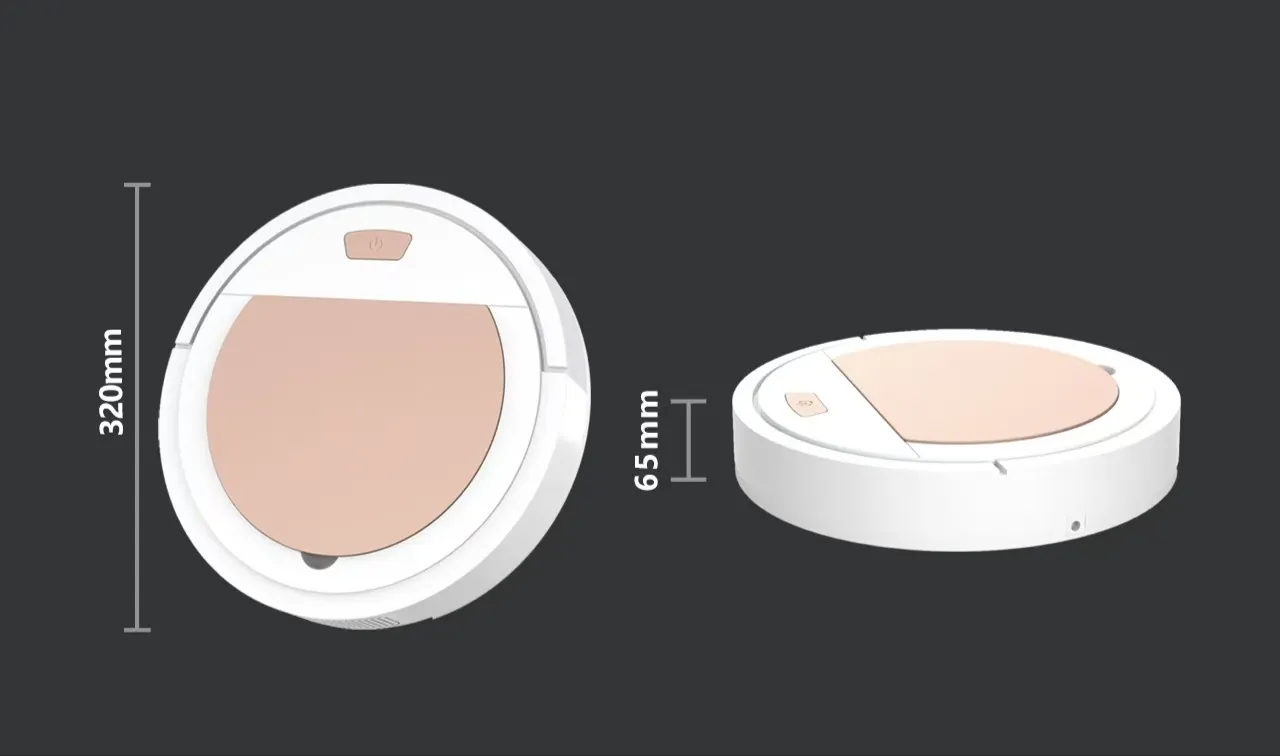
The term 'smart intelligent vacuum cleaner' has become increasingly common in the home cleaning market, but many buyers struggle to distinguish genuine intelligence from marketing language. A true smart intelligent vacuum cleaner goes far beyond random movement and basic suction; it incorporates advanced sensors, mapping algorithms, app connectivity, and autonomous decision-making capabilities that fundamentally transform how household cleaning operates. Understanding what actually makes a smart intelligent vacuum cleaner genuinely intelligent helps you make an informed purchasing decision and set realistic expectations about performance and convenience.
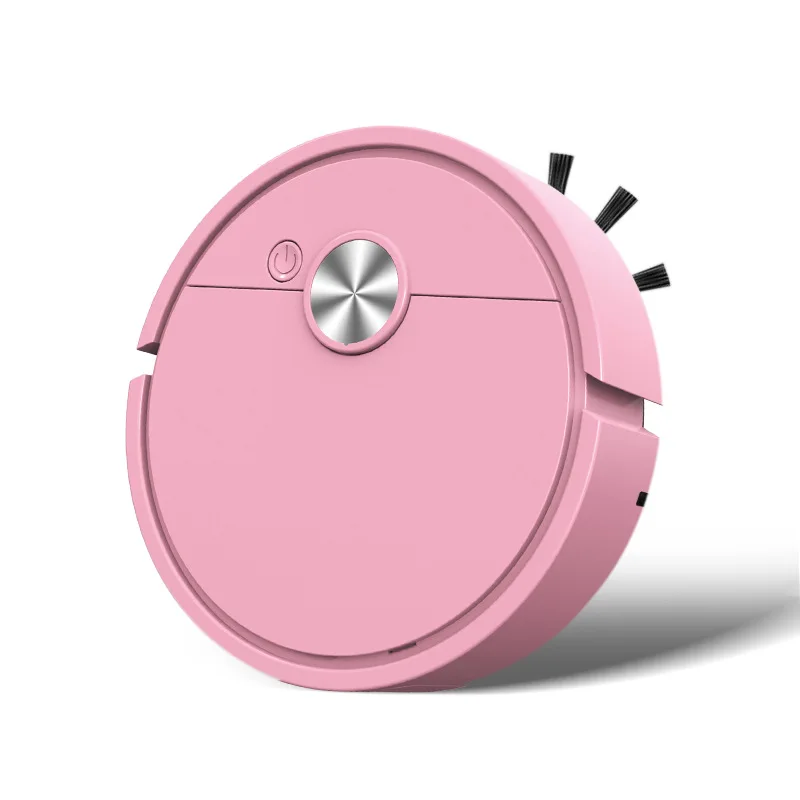
The core difference between a standard vacuum and a smart intelligent vacuum cleaner lies in autonomous operation and environmental awareness. A smart intelligent vacuum cleaner uses LIDAR sensors, cameras, or ultrasonic technology to map your home in real time, identifying obstacles, calculating efficient cleaning paths, and adapting to room layouts without human intervention. This technological foundation enables features like room-specific cleaning, no-go zones, and scheduled operation that simply cannot exist in conventional vacuums. The true intelligence emerges when the device learns your home layout, anticipates cleaning needs, and communicates with you through mobile applications and voice assistants.
Core Intelligence Features in Modern Smart Vacuum Systems
Mapping and Navigation Technology
A smart intelligent vacuum cleaner must possess sophisticated mapping capabilities to operate autonomously. LIDAR-based mapping technology creates detailed floor plans by emitting laser pulses and measuring reflection times, allowing the smart intelligent vacuum cleaner to understand room dimensions, doorway positions, and furniture placement with precision. This data transforms into systematic cleaning paths rather than random wandering, dramatically improving coverage efficiency. Some advanced models use simultaneous localization and mapping (SLAM) algorithms, which enable the smart intelligent vacuum cleaner to continuously refine its understanding of your home as it operates. The mapping foundation is what separates a truly smart intelligent vacuum cleaner from cheaper models that rely on bumper sensors and random navigation patterns.
App Integration and Remote Control Capabilities
Connected mobile applications represent a defining characteristic of any smart intelligent vacuum cleaner. Through dedicated apps, users can monitor cleaning progress, view live maps, set cleaning schedules, define no-go zones, and control the smart intelligent vacuum cleaner from anywhere with internet access. Premium smart intelligent vacuum cleaner models integrate with voice assistants like Alexa or Google Home, enabling verbal commands such as 'start cleaning' or 'clean the kitchen.' Real-time notifications alert users when the smart intelligent vacuum cleaner completes a cycle, encounters obstacles, or requires maintenance. This connectivity transforms the smart intelligent vacuum cleaner into a responsive household system rather than an isolated appliance.
Practical Intelligence: Decision-Making and Adaptation
Obstacle Recognition and Real-Time Path Adjustment
A genuinely smart intelligent vacuum cleaner doesn't simply hit obstacles and retreat; it recognizes different object types and adjusts behavior accordingly. Advanced sensors enable the smart intelligent vacuum cleaner to distinguish between toys, cables, and furniture, then modify navigation patterns to avoid specific hazards or navigate around them efficiently. Machine learning capabilities allow the smart intelligent vacuum cleaner to recognize new objects over time and incorporate them into future cleaning routes. Some models detect carpet versus hard flooring and automatically adjust suction power, demonstrating how intelligence translates into performance optimization. This adaptive behavior means your smart intelligent vacuum cleaner becomes increasingly effective as it gains operational experience in your specific home environment.
Battery Management and Charging Autonomy
Battery intelligence represents an often-overlooked aspect of what makes a smart intelligent vacuum cleaner truly smart. Rather than running until the battery depletes completely, an intelligent system monitors power consumption in relation to remaining map coverage and returns to the charging dock automatically when battery drops below a predetermined threshold. After recharging, many smart intelligent vacuum cleaner models resume cleaning from where they stopped, completing comprehensive coverage across larger homes. Power management algorithms in a smart intelligent vacuum cleaner optimize suction levels based on floor type and detected debris density, extending cleaning duration while maintaining effectiveness. This autonomous energy management means you never need to manually retrieve the smart intelligent vacuum cleaner or worry about incomplete cleaning due to power depletion.
Business Impact and Household Value Proposition
Time Savings and Operational Convenience
The fundamental value of a smart intelligent vacuum cleaner centers on reclaimed time and simplified household management. By scheduling regular cleaning cycles automatically, your smart intelligent vacuum cleaner operates independently whether you're home or away, eliminating the mental overhead of remembering to vacuum. Unlike manual vacuuming, which typically requires 30-60 minutes weekly per household, a smart intelligent vacuum cleaner handles floor cleaning consistently without consuming your personal time. Families with multiple pets, high-traffic areas, or allergies benefit substantially from the continuous cleaning cycles that a smart intelligent vacuum cleaner enables. The convenience extends beyond basic operation; the smart intelligent vacuum cleaner's mapping data helps identify high-traffic areas that accumulate debris faster, informing your household cleaning strategy.
Cost Considerations and Return on Investment
Quality smart intelligent vacuum cleaner models typically range from moderate to premium pricing, but the value proposition extends beyond initial purchase cost. A smart intelligent vacuum cleaner reduces manual vacuuming time, potentially lowering household labor costs or freeing time for higher-priority activities. Dust allergy sufferers often experience health improvements when a smart intelligent vacuum cleaner maintains consistent floor cleanliness, potentially reducing healthcare costs associated with allergic reactions. The smart intelligent vacuum cleaner's efficiency also translates to lower energy consumption compared to multiple weekly manual vacuuming sessions. While a basic smart intelligent vacuum cleaner requires significant upfront investment, the operational benefits and time recovery often justify the expense over a typical 3-5 year product lifespan.
Realistic Limitations and Honest Assessment of Intelligence Levels
Cleaning Performance Boundaries
Even the most advanced smart intelligent vacuum cleaner cannot replicate certain capabilities of conventional vacuums. Stairs remain insurmountable obstacles for any smart intelligent vacuum cleaner; these devices cannot navigate multi-level homes without manual repositioning. The compact form factor that enables autonomous operation also means a smart intelligent vacuum cleaner typically carries less suction power than full-sized upright vacuums, potentially requiring longer cleaning cycles to achieve equivalent results. Pet owners should understand that while a smart intelligent vacuum cleaner excels at routine maintenance cleaning, it may not address embedded pet hair or deep carpet cleaning as effectively as traditional models. Furniture rearrangement requires remapping; your smart intelligent vacuum cleaner's effectiveness depends on accurate floor plans, so frequent room changes may compromise performance.
Technology Reliability and Maintenance Requirements
The complexity that enables a smart intelligent vacuum cleaner to function intelligently also introduces potential failure points absent in conventional vacuums. Sensor calibration issues can compromise mapping accuracy, requiring technical troubleshooting beyond simply emptying a dustbin. Software updates occasionally introduce compatibility issues with specific home assistant platforms or mobile devices. Dust accumulation on sensors directly impacts a smart intelligent vacuum cleaner's ability to maintain spatial awareness and navigate effectively, requiring regular cleaning beyond basic dustbin maintenance. Users must commit to ongoing care and occasional technical engagement to maintain optimal performance from their smart intelligent vacuum cleaner, differentiating it from simpler mechanical alternatives.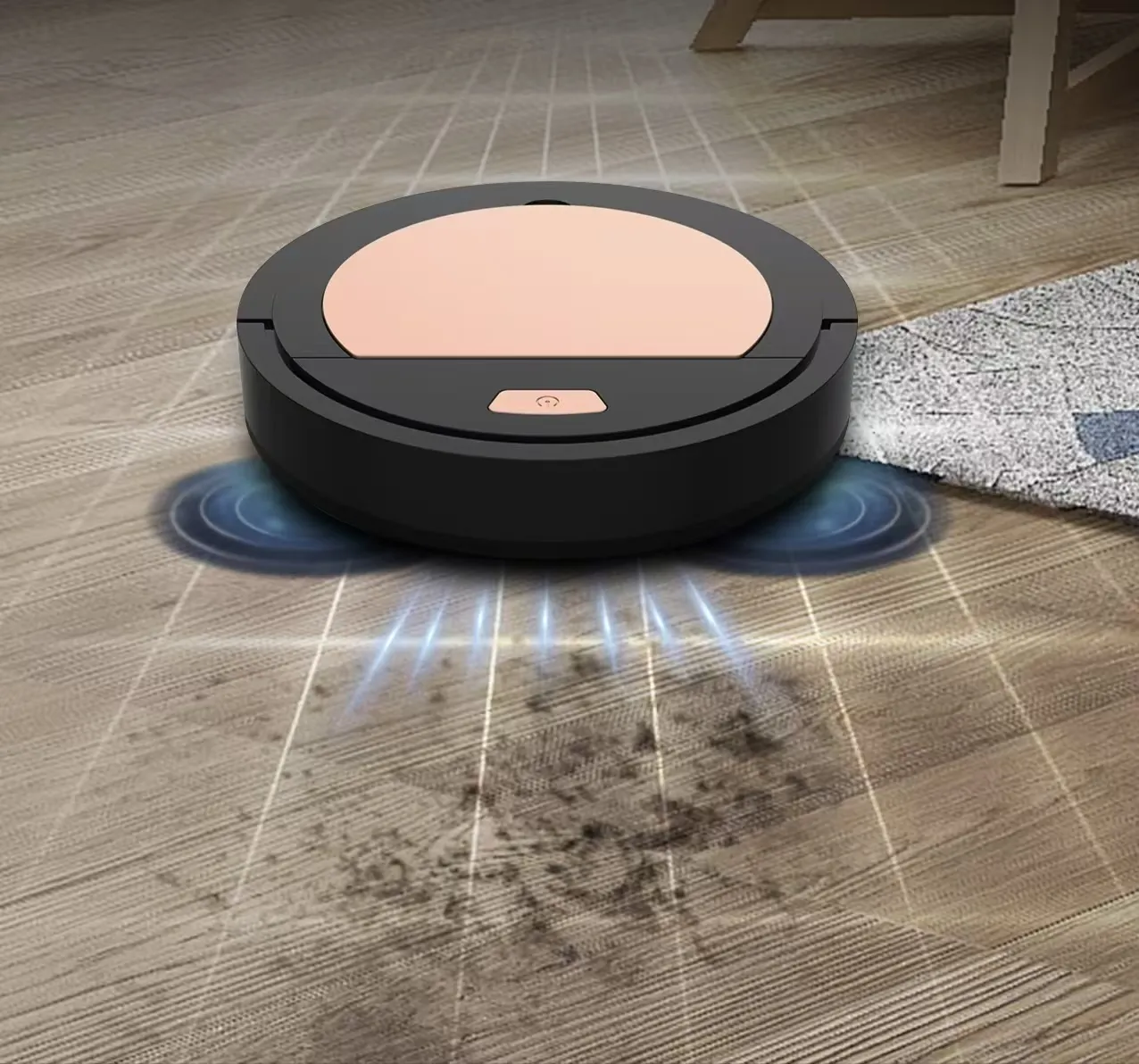
FAQ
Can a smart intelligent vacuum cleaner handle all floor types in a typical home?
Most quality smart intelligent vacuum cleaner models manage transitions between hard flooring and carpet reasonably well, with sensors detecting surface changes and adjusting suction power accordingly. However, a smart intelligent vacuum cleaner typically performs best on consistent floor surfaces; complex transitions between multiple floor types, thresholds, and level changes may present navigation challenges. Very thick carpeting or high-pile rugs can reduce a smart intelligent vacuum cleaner's efficiency, and hardwood floors with significant gaps may damage delicate edges of some models. Testing a smart intelligent vacuum cleaner on your specific flooring during an evaluation period helps confirm compatibility before full commitment.
How long does a typical smart intelligent vacuum cleaner take to map and clean a home?
The initial mapping cycle for a smart intelligent vacuum cleaner usually requires 1-2 hours for an average single-story residential home, during which the device explores room dimensions and creates spatial references. Subsequent cleaning cycles typically range from 45 minutes to 2 hours depending on home size and dirt level. Some advanced smart intelligent vacuum cleaner models create detailed floor plans on the first pass; others require multiple cycles to optimize mapping accuracy. Real-time monitoring through the mobile app allows you to observe mapping progress and predict completion times for your specific smart intelligent vacuum cleaner.
What maintenance does a smart intelligent vacuum cleaner require compared to traditional models?
Beyond basic dustbin emptying, a smart intelligent vacuum cleaner requires regular sensor cleaning to maintain mapping accuracy and obstacle detection capability. Brush cleaning and filter maintenance remain necessary, similar to conventional vacuums. Software updates should be applied when available to preserve security and functionality of your smart intelligent vacuum cleaner. Dock positioning in the charging location affects whether your smart intelligent vacuum cleaner can dock autonomously; maintaining clear dock access prevents operational failures. Compared to traditional vacuums, a smart intelligent vacuum cleaner demands somewhat higher maintenance engagement to sustain intelligent functionality, though the investment remains reasonable for most households.