EN
EN



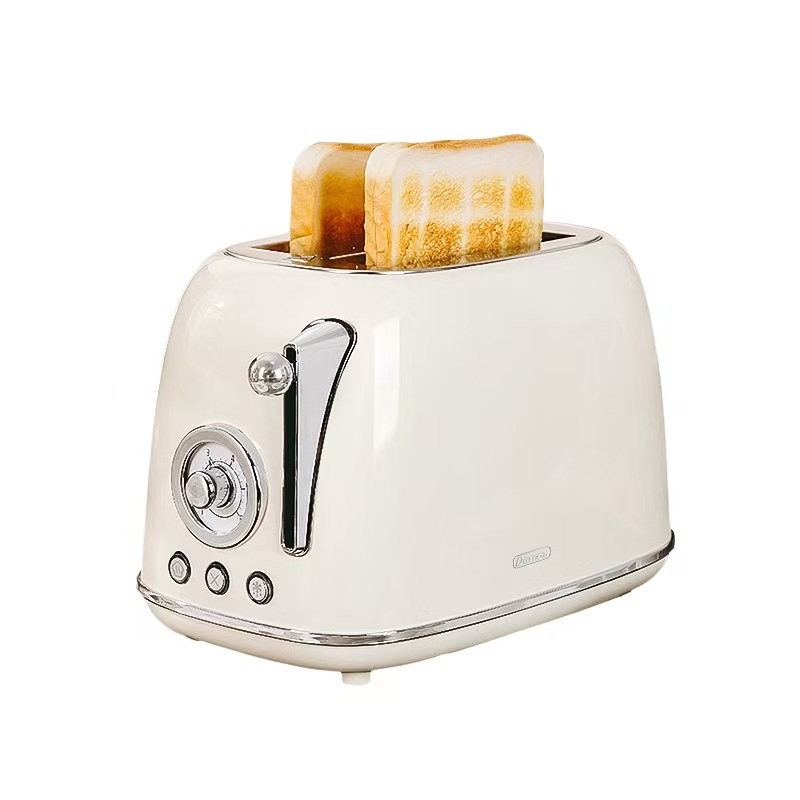
Breakfast routines have remained largely unchanged for decades, with most households relying on traditional toasters that offer basic browning controls and little else. However, a smart toaster introduces a fundamentally different approach to toasting, combining precision technology, connectivity, and adaptive intelligence to deliver consistently superior results. Understanding what distinguishes a smart toaster from conventional models reveals why modern kitchens are increasingly adopting this technology for daily breakfast preparation.
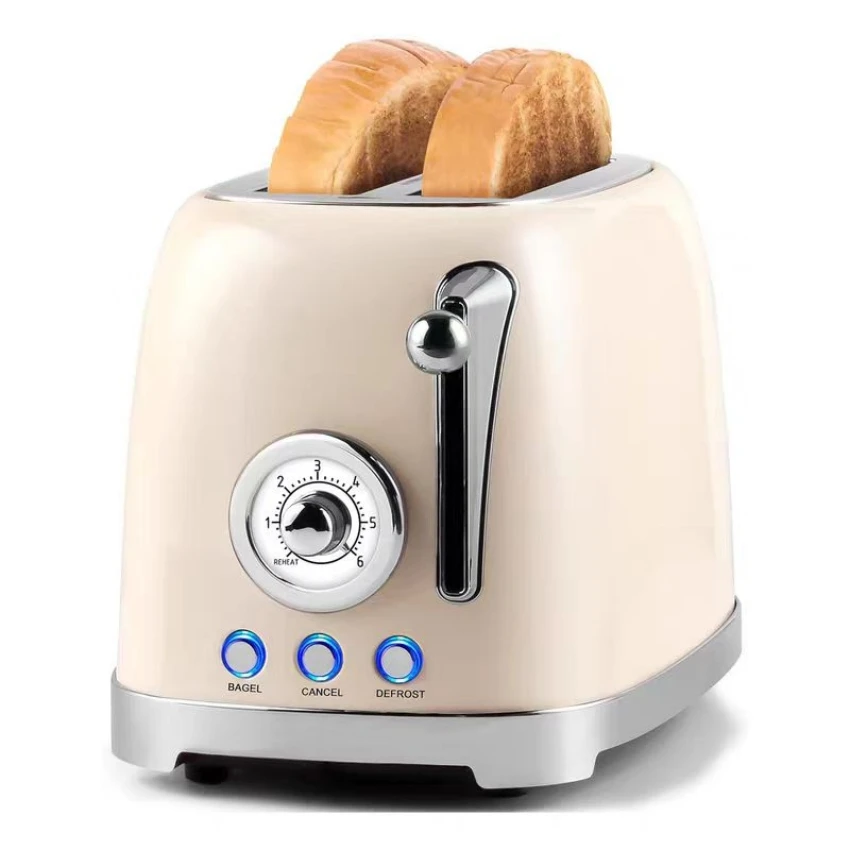
The core differentiator of a smart toaster lies in its integration of sensor technology, machine learning algorithms, and wireless connectivity. Unlike traditional models that rely on fixed timer settings, a smart toaster continuously monitors internal temperature, bread type, and moisture content to adjust heating profiles in real time. This intelligent adaptation ensures that every slice achieves the desired crispness without the burnt edges or cold centers that plague standard toasters, making a smart toaster an essential upgrade for households seeking consistency.
Precision Toasting and Adaptive Technology
Real-Time Sensor Monitoring
A smart toaster employs advanced infrared and thermal sensors positioned throughout the toasting chamber to track temperature fluctuations and bread characteristics during the toasting cycle. These sensors feed data continuously to the toaster's onboard processor, which compares actual conditions against preset profiles for different bread types, thickness levels, and browning preferences. When a smart toaster detects deviation from the target parameters, it automatically adjusts heating elements to compensate, preventing the overcooking that occurs in traditional models with fixed heating patterns.
Machine Learning Customization
Over time, a smart toaster learns individual user preferences by analyzing past toasting sessions and feedback data. The device builds a personalized library of settings that optimize results for the specific bread varieties, humidity conditions, and environmental factors in your kitchen. This adaptive learning capability means that a smart toaster becomes more precise and personalized with each use, delivering toast that matches your exact expectations rather than forcing you to adjust settings manually with every breakfast.
Connectivity and Remote Control Features
Mobile Application Integration
A smart toaster connects to household WiFi networks and syncs with dedicated mobile applications, enabling users to control toasting sessions from smartphones or tablets. Through the app, you can select bread type, adjust browning level, set delayed start times for morning convenience, and receive notifications when toasting completes. This connectivity transforms a smart toaster from a standalone kitchen device into part of a unified smart home ecosystem, coordinating breakfast preparation with other connected appliances and routines.
Voice Command Compatibility
Many models of a smart toaster integrate with popular voice assistant platforms, allowing hands-free operation through simple spoken commands. Starting your toasting cycle while preparing other breakfast items, checking toasting status without approaching the device, or adjusting settings mid-cycle becomes possible through voice interaction. This voice integration makes a smart toaster more convenient for busy mornings and improves accessibility for users with mobility limitations.
Safety, Consistency, and Energy Efficiency
Enhanced Safety Mechanisms
A smart toaster includes advanced safety features that distinguish it from traditional models, such as automatic shutoff if bread becomes jammed, real-time monitoring for hazardous temperature spikes, and intelligent cooldown protocols that prevent accidental burns. The device communicates potential issues through app notifications, allowing you to address problems before they create fire risks or damage the toaster. These proactive safety features make a smart toaster a more responsible choice for families with children or in kitchens where attention to appliances may waver.
Energy Optimization and Performance Consistency
Because a smart toaster only applies heating energy when needed and adjusts power delivery to match actual toasting requirements, it consumes less electricity per cycle than conventional toasters that maintain constant heat regardless of bread characteristics. The precision heating approach also reduces waste by eliminating the need to discard overtoasted slices and try again, a common occurrence with traditional models. This combination of efficiency and reduced waste makes a smart toaster an economically sensible investment that pays dividends through lower energy bills and less food waste over time.
FAQ
What types of bread can a smart toaster handle effectively?
A smart toaster accommodates virtually all bread varieties including white, wheat, sourdough, rye, bagels, and frozen items through preset profiles that adjust heating patterns for each type's specific density and moisture content. You simply select the bread category through the app or control panel, and a smart toaster automatically configures the optimal toasting parameters. Some models even recognize bread type automatically through image analysis, eliminating the need for manual selection entirely.
How does a smart toaster compare to conventional toasters in terms of cost?
While a smart toaster typically costs more upfront than basic traditional models, the price differential has narrowed significantly as the technology matures. When considering durability, reduced food waste, energy savings, and the convenience premium over several years of daily use, a smart toaster represents comparable or better long-term value. Many users find that the improved breakfast experience and time saved justifies the initial investment within the first year of ownership.
Can a smart toaster integrate with existing smart home systems?
Yes, most modern models of a smart toaster support integration with major smart home platforms including Apple HomeKit, Google Home, and Amazon Alexa. A smart toaster can coordinate with other connected kitchen appliances, participate in automated routines, and share data with central home automation hubs. This interoperability ensures that a smart toaster functions seamlessly as part of your broader connected home infrastructure rather than operating in isolation.