EN
EN


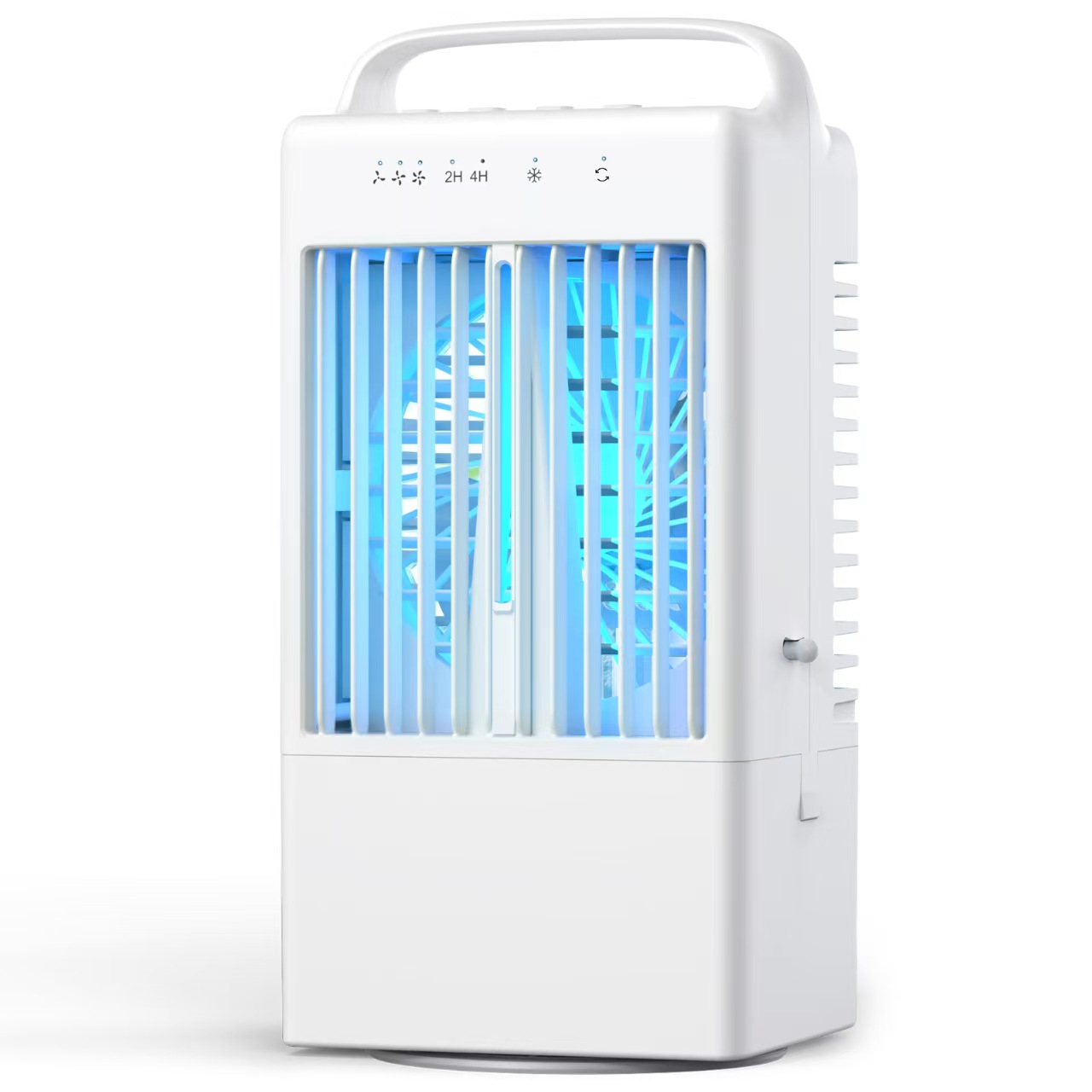
Indoor air quality directly affects respiratory health, skin condition, and overall comfort. A smart home humidifier represents a significant advancement over traditional units by integrating real-time monitoring, automated adjustments, and remote accessibility. Unlike conventional humidifiers that operate on fixed settings, a smart home humidifier continuously analyzes environmental conditions and responds dynamically to maintain optimal humidity levels. This intelligent approach eliminates the guesswork associated with manual devices and provides measurable improvements in air quality management.
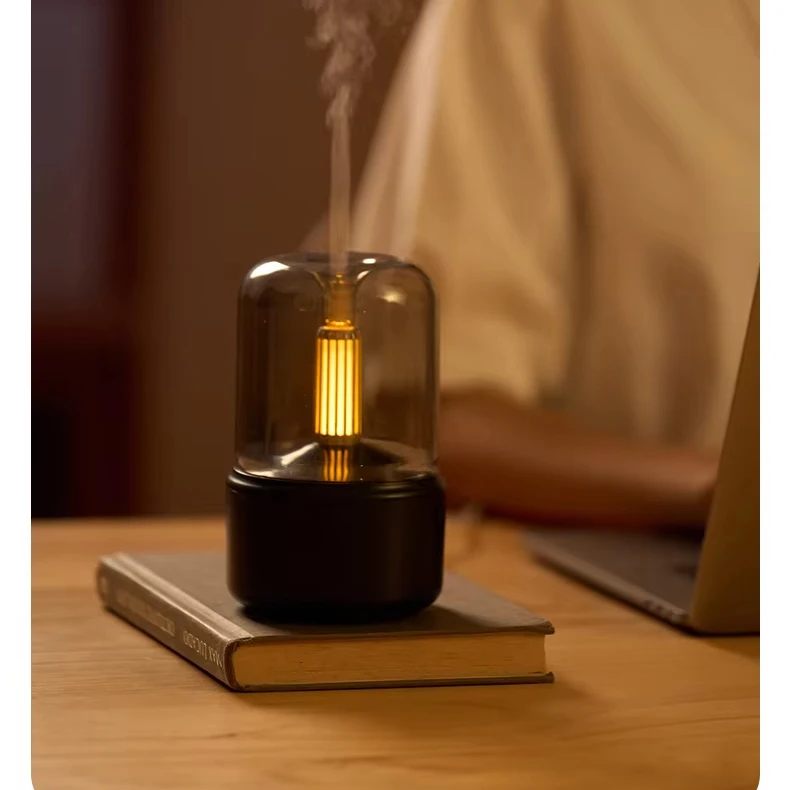
The integration capabilities of a smart home humidifier extend beyond simple moisture delivery. These devices connect seamlessly with home automation ecosystems, enabling coordinated climate control that considers temperature, air circulation, and seasonal variations. Users gain access to detailed performance analytics, maintenance alerts, and energy consumption data through dedicated mobile applications. This level of transparency and control makes a smart home humidifier an essential component for anyone serious about creating healthier living spaces while optimizing resource usage.
Precision Control Through Real-Time Environmental Monitoring
Continuous Humidity Sensing and Adjustment
A smart home humidifier employs advanced hygrometric sensors that measure ambient humidity levels every few seconds. This constant data collection allows the device to detect even minor fluctuations and respond immediately. When indoor humidity drops below the user-defined threshold, the smart home humidifier activates automatically and adjusts output intensity based on room size and current conditions. This precision prevents both under-humidification, which fails to address dry air problems, and over-humidification, which can promote mold growth and damage furnishings.
Traditional humidifiers require manual monitoring with separate hygrometers and frequent setting adjustments. A smart home humidifier eliminates these tedious tasks by maintaining target humidity ranges without human intervention. The device learns usage patterns over time and can predict when humidity levels will drop based on heating cycles, outdoor weather conditions, and occupancy schedules. This predictive capability ensures that a smart home humidifier maintains consistent air quality rather than reacting after conditions have already deteriorated.
Integration With Whole-Home Climate Systems
The true advantage of a smart home humidifier becomes apparent when integrated with existing HVAC systems and smart thermostats. These devices communicate through standard protocols, allowing coordinated operation that maximizes efficiency. When heating systems activate and naturally dry indoor air, a smart home humidifier receives this information and preemptively increases moisture output. Conversely, during cooling cycles when air conditioners remove humidity, the smart home humidifier reduces activity to prevent excessive moisture accumulation.
This coordination extends to ventilation systems as well. A smart home humidifier can adjust operation when fresh air intake increases, compensating for the drier outdoor air introduced into living spaces. The device also factors in ceiling fan operation, which affects moisture distribution patterns. By accounting for these multiple variables simultaneously, a smart home humidifier achieves balanced humidity distribution throughout the home rather than creating isolated pockets of properly humidified air surrounded by dry zones.
Health Benefits Through Optimized Humidity Management
Respiratory System Protection and Allergen Control
Maintaining humidity between 40-60 percent significantly reduces airborne virus transmission and supports mucous membrane function. A smart home humidifier automatically maintains this optimal range, providing consistent respiratory protection that manual devices cannot guarantee. Dry air causes nasal passages to become irritated and less effective at filtering pathogens, while properly humidified air preserves these natural defense mechanisms.
For individuals with asthma, allergies, or chronic respiratory conditions, a smart home humidifier offers measurable symptom reduction. The device prevents airborne dust particles from remaining suspended by adding sufficient moisture weight to cause particles to settle. A smart home humidifier can also coordinate with air purifiers, creating a comprehensive air quality management system. Users report fewer nighttime coughing episodes, reduced sinus pressure, and decreased reliance on decongestants when a smart home humidifier maintains appropriate humidity levels consistently.
Skin Health and Sleep Quality Enhancement
Dermatological benefits of a smart home humidifier include reduced skin dryness, decreased eczema flare-ups, and slower formation of fine lines caused by environmental moisture loss. The device maintains humidity levels that prevent excessive transepidermal water loss, allowing skin to retain natural moisture more effectively. Unlike periodic use of traditional humidifiers, the constant regulation provided by a smart home humidifier prevents the cycle of extreme dryness followed by temporary relief.
Sleep quality improves significantly when a smart home humidifier maintains optimal humidity throughout the night. Dry air causes throat irritation that leads to snoring and disrupted sleep patterns. A smart home humidifier operates silently while preventing these disturbances, and many models include sleep mode features that reduce display brightness and adjust operation patterns for minimal disruption. The device can also gradually adjust humidity during different sleep stages based on programmed schedules, supporting the body's natural circadian rhythm.
Energy Efficiency and Operational Intelligence
Adaptive Power Consumption Based on Demand
A smart home humidifier continuously calculates the minimum power required to maintain target humidity rather than operating at constant output. This demand-based approach reduces energy consumption by 30-50 percent compared to conventional units. The device considers factors including current humidity deficit, air temperature, room volume, and insulation quality when determining optimal output levels. During periods when humidity naturally increases, such as after cooking or showering, a smart home humidifier automatically reduces or suspends operation to avoid wasting energy.
Long-term energy tracking capabilities allow users to compare consumption across different seasons and identify opportunities for further optimization. A smart home humidifier provides detailed reports showing how weather patterns, thermostat settings, and usage habits affect efficiency. Users can experiment with different target humidity levels and immediately see the corresponding energy impact, enabling informed decisions about balancing comfort with resource conservation. This transparency makes a smart home humidifier particularly valuable for energy-conscious households.
Predictive Maintenance and Extended Equipment Lifespan
Built-in diagnostics allow a smart home humidifier to detect performance degradation before complete failure occurs. The device monitors water flow rates, misting efficiency, filter condition, and component temperatures to identify developing issues. When maintenance becomes necessary, the smart home humidifier sends specific alerts indicating which parts require attention and provides replacement guidance. This proactive approach prevents the sudden failures common with traditional humidifiers and extends overall device lifespan by ensuring optimal operating conditions.
Water quality monitoring represents another significant advantage of a smart home humidifier. The device can detect mineral buildup that reduces efficiency and recommends cleaning schedules based on actual usage rather than arbitrary time intervals. Some smart home humidifier models automatically adjust operation to compensate for partial blockages until maintenance can be performed, ensuring continuous humidity control even when components aren't operating at peak efficiency. This intelligent adaptation prevents the performance degradation that often goes unnoticed with conventional humidifiers.
FAQ
How does a smart home humidifier prevent over-humidification damage?
A smart home humidifier uses continuous monitoring to detect when humidity approaches dangerous levels and automatically reduces output before condensation forms on windows or walls. The device factors in temperature readings to calculate dew point and prevents operation in conditions that would cause moisture damage. Unlike manual humidifiers that continue running regardless of actual need, a smart home humidifier stops operation immediately when target levels are reached and resumes only when humidity drops below the threshold.
Can a smart home humidifier operate effectively in large or multi-room spaces?
A smart home humidifier designed for whole-home use integrates with central HVAC systems to distribute humidified air through existing ductwork, ensuring even coverage across multiple rooms. For homes without central systems, multiple smart home humidifier units can coordinate through a shared network, adjusting individual outputs based on localized humidity readings. This distributed approach provides superior coverage compared to single traditional units that create humidity gradients with dry areas far from the device.
What connectivity requirements does a smart home humidifier need to function properly?
A smart home humidifier requires stable WiFi connectivity for remote access and integration features, but maintains core humidity control functions even during network outages. The device stores user preferences locally and continues operating based on sensor readings when internet access is unavailable. Once connectivity resumes, the smart home humidifier synchronizes data and restores full smart features. Most models support both 2.4GHz and 5GHz networks and include backup Bluetooth connectivity for local control through mobile devices.