EN
EN



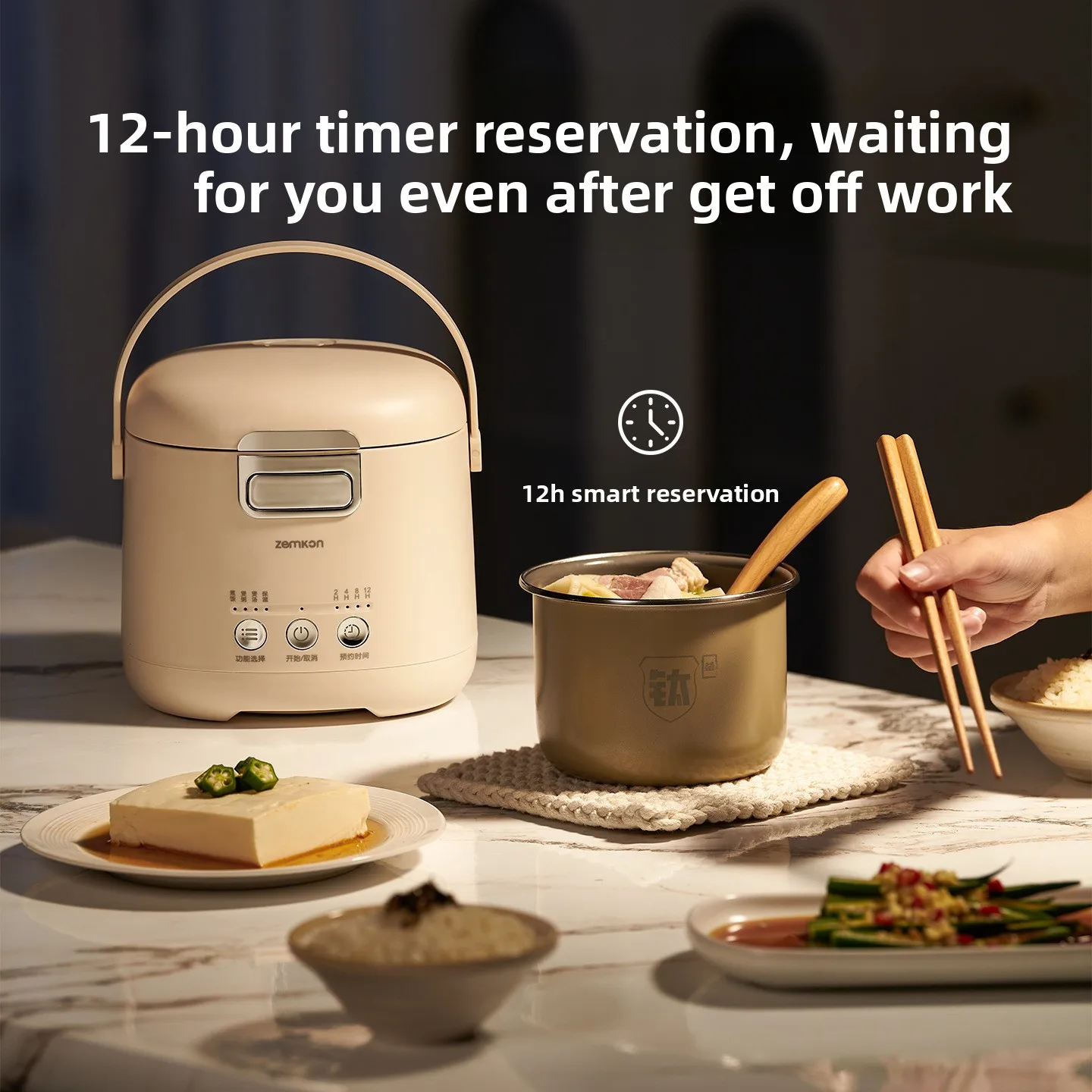
Description
Product Introduction
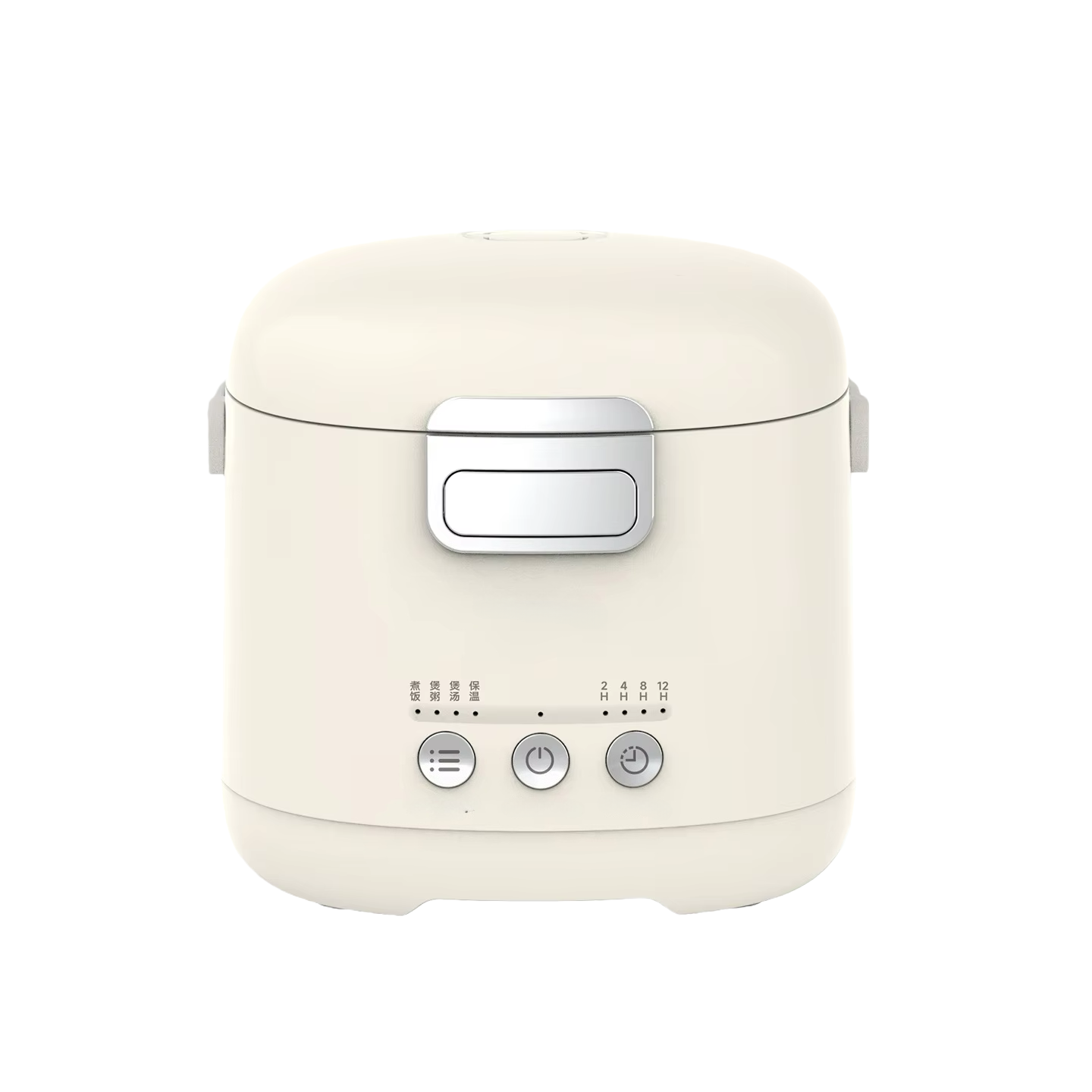
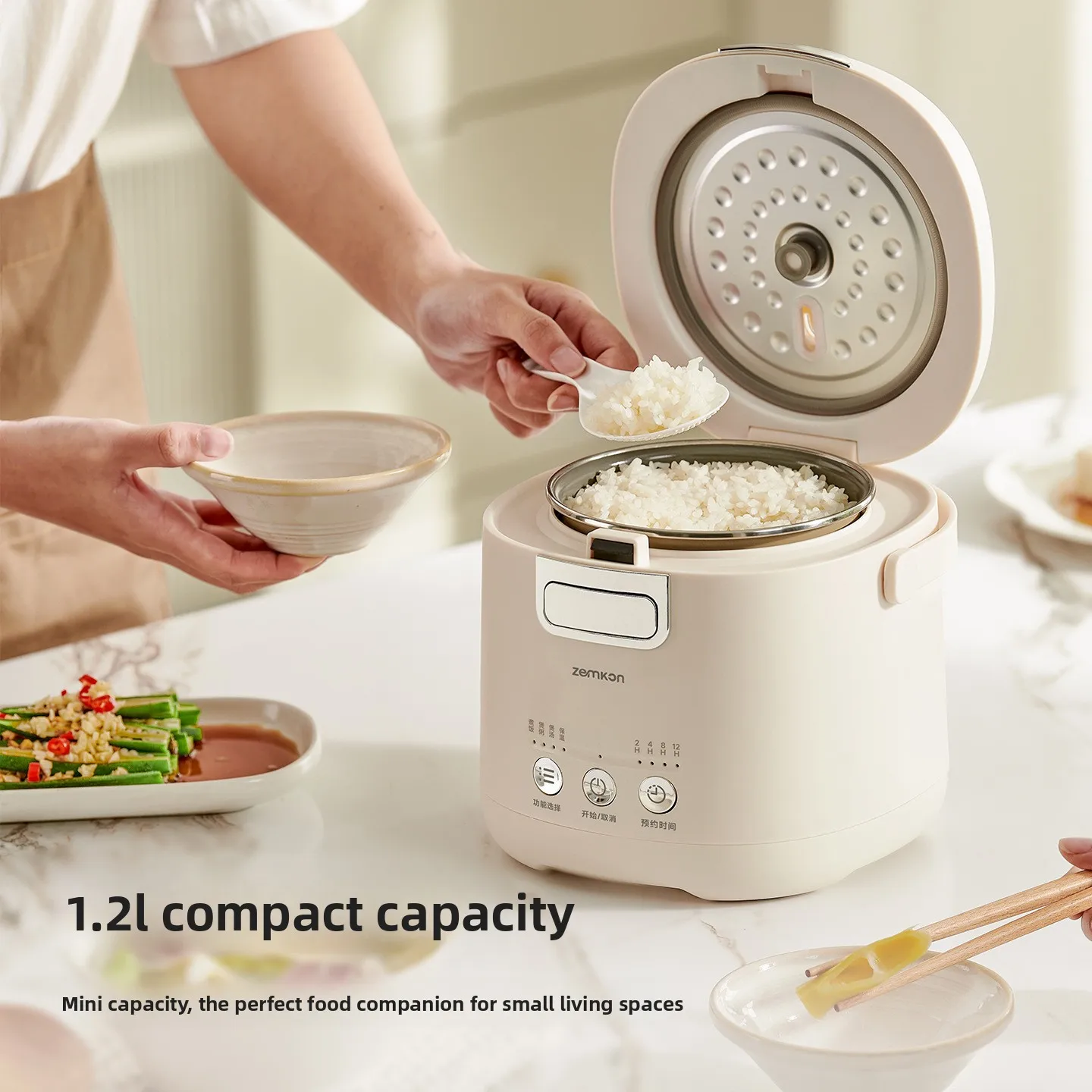
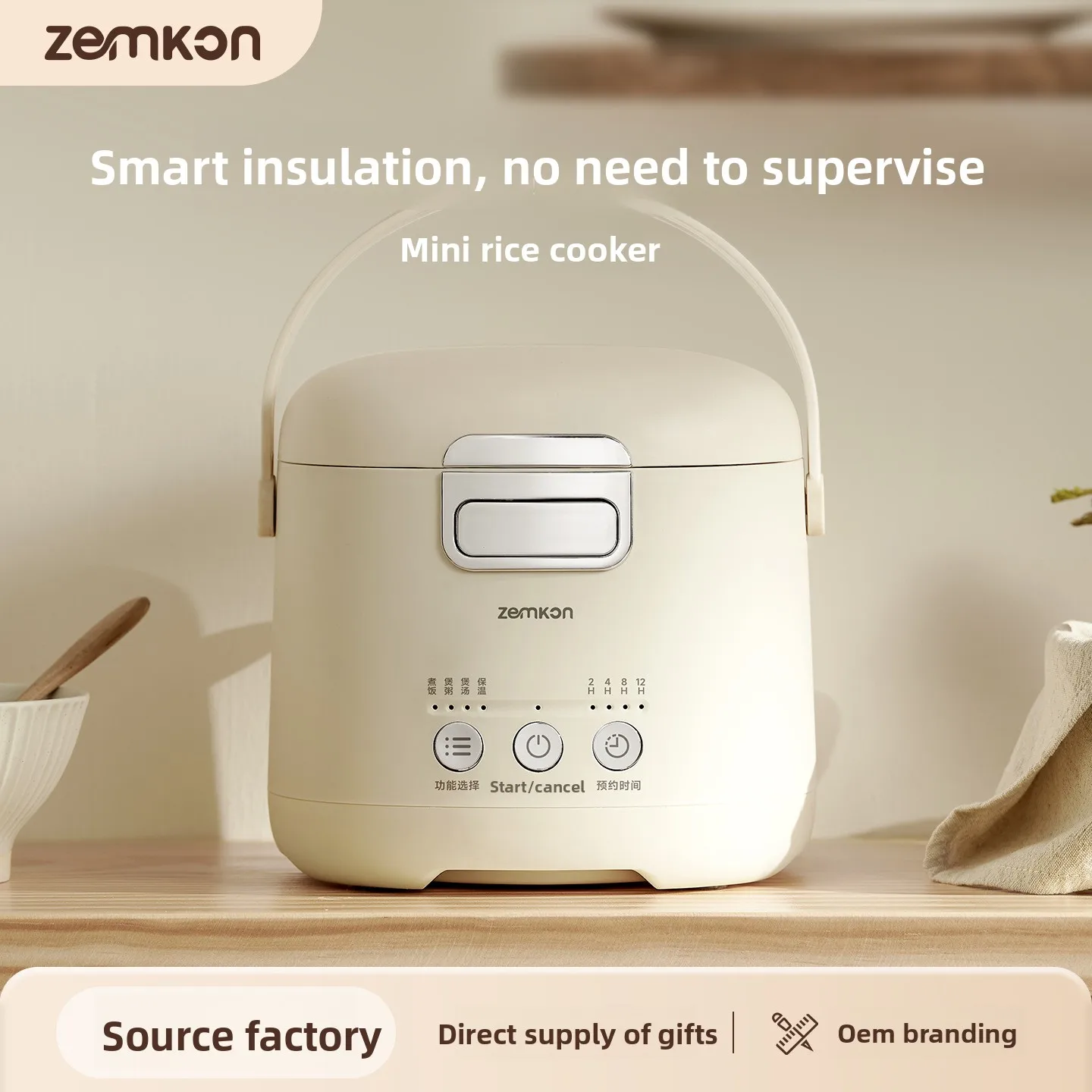
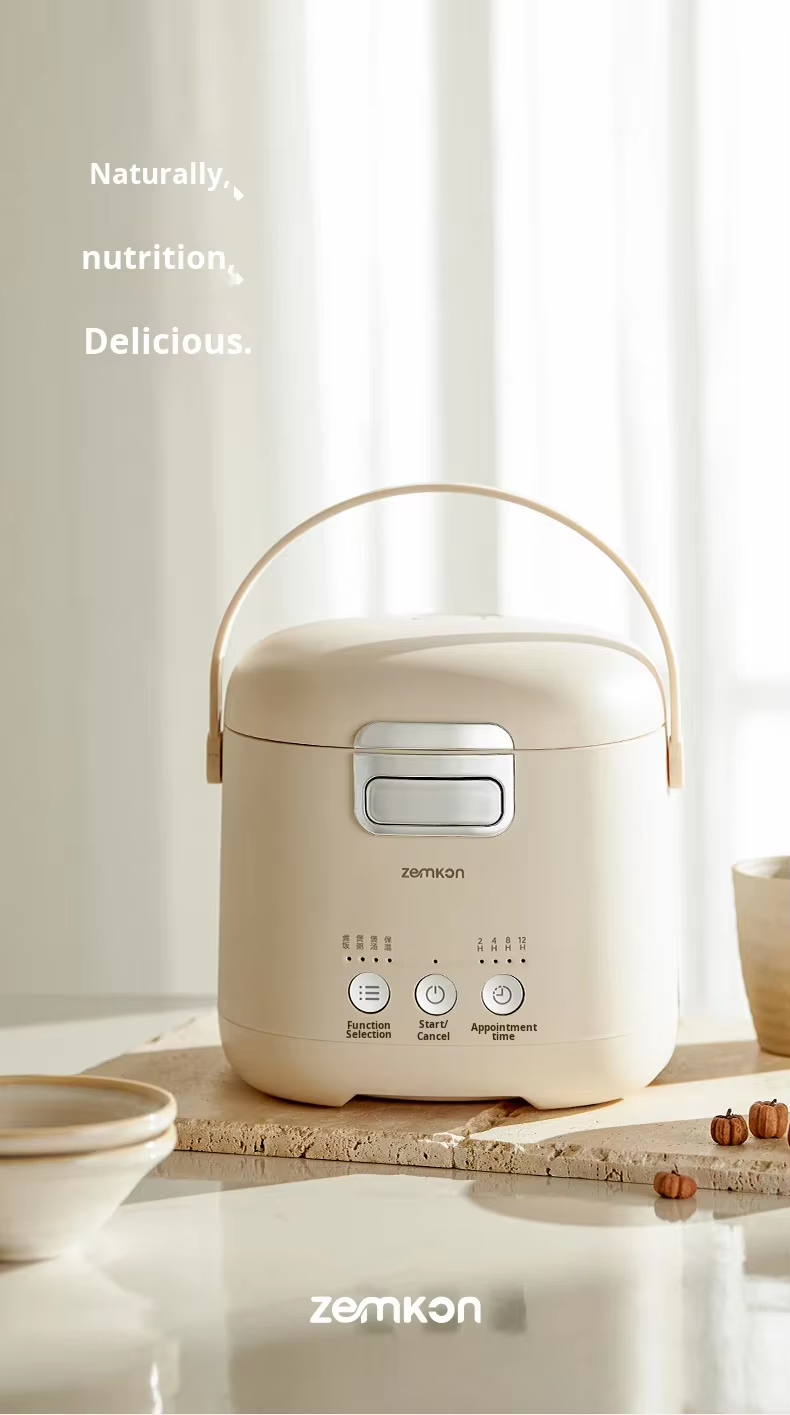
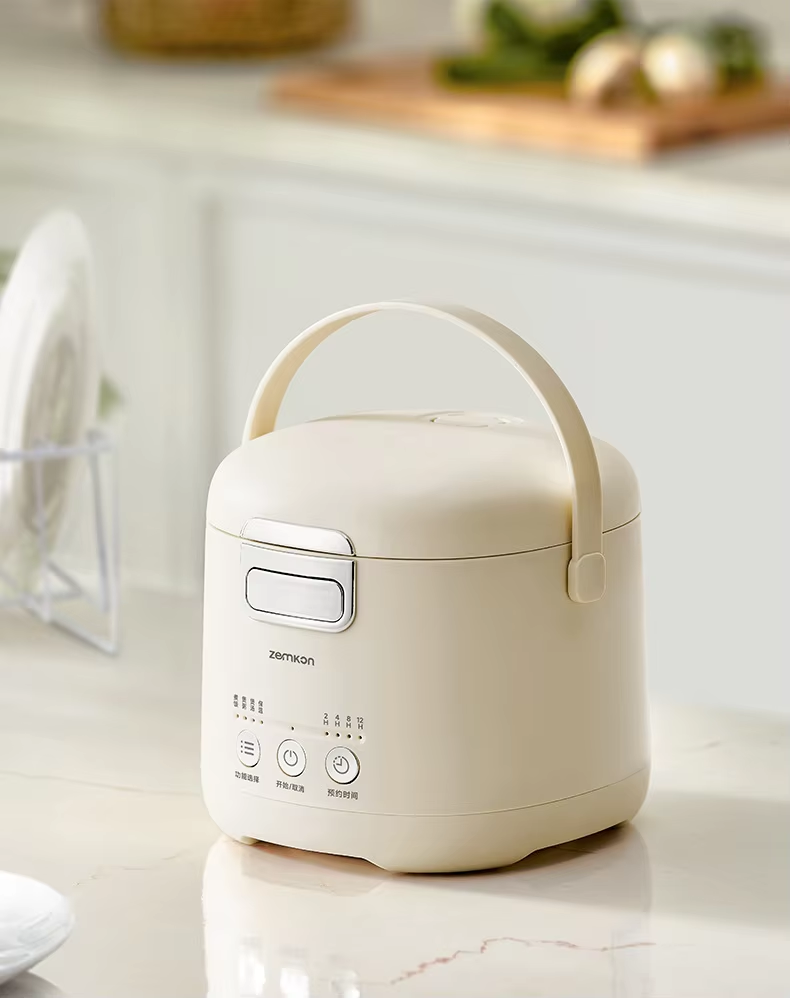
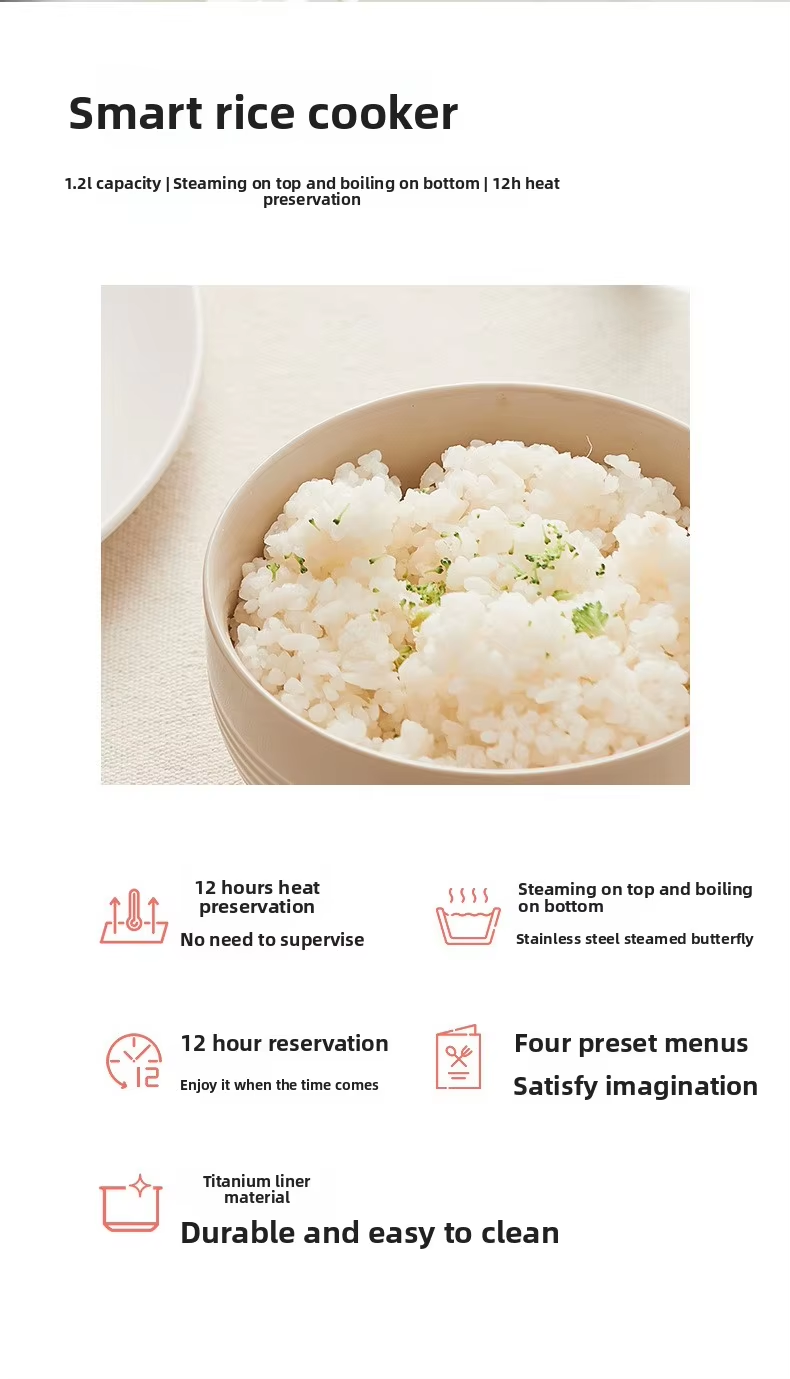
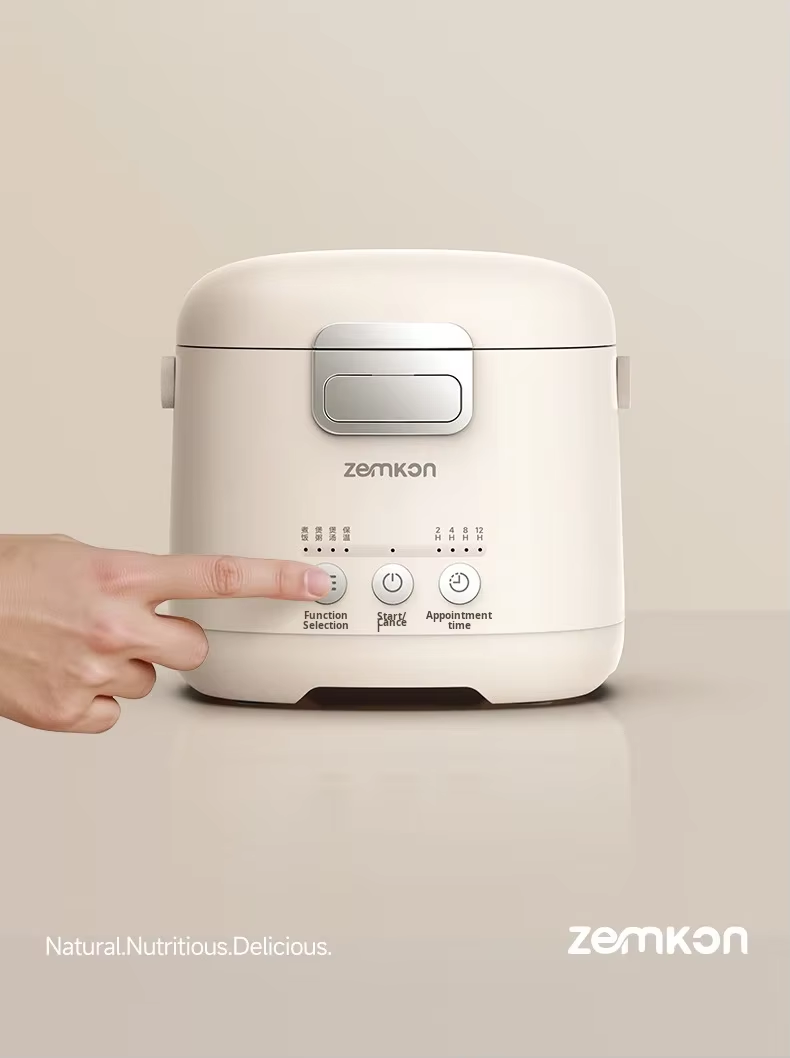
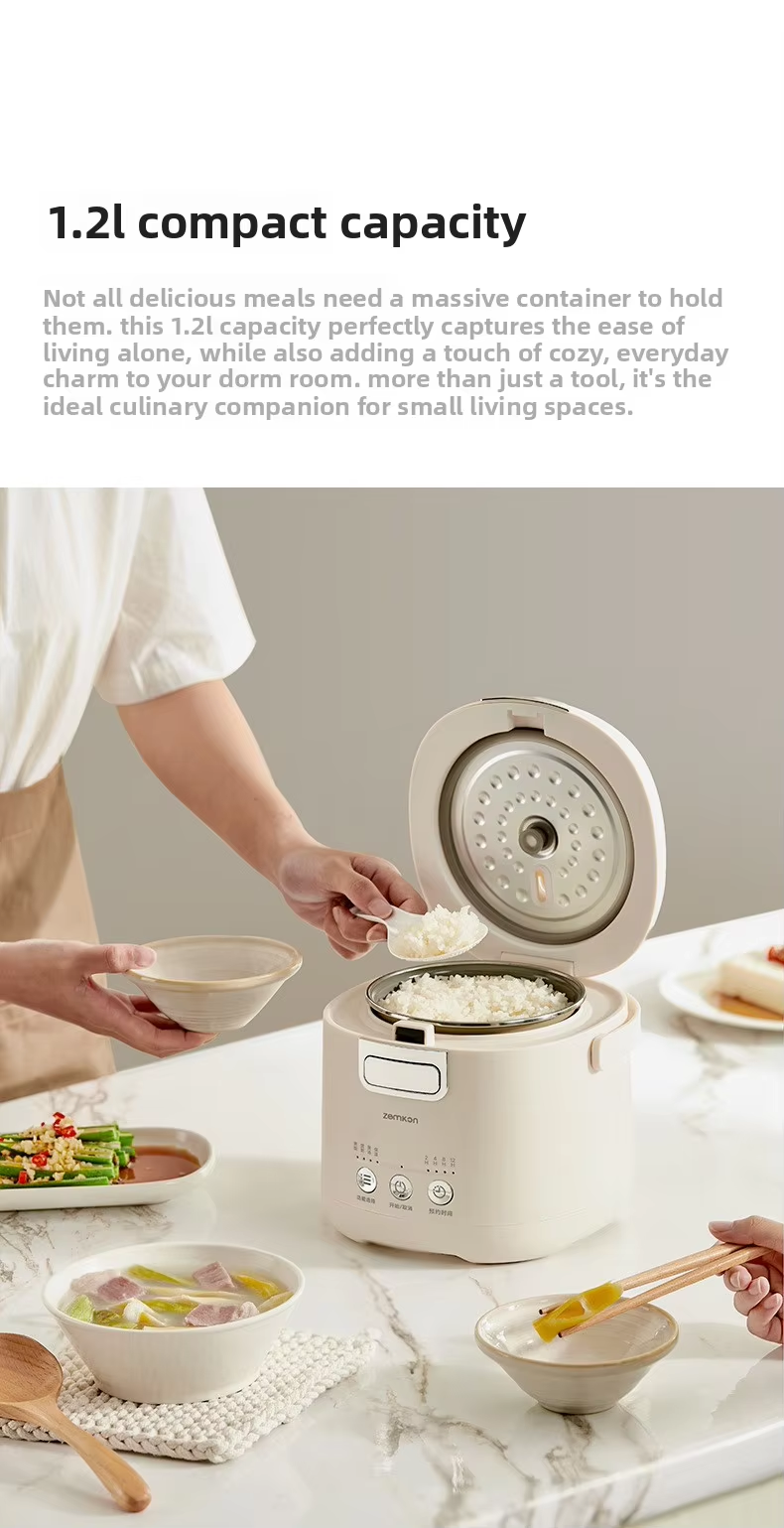
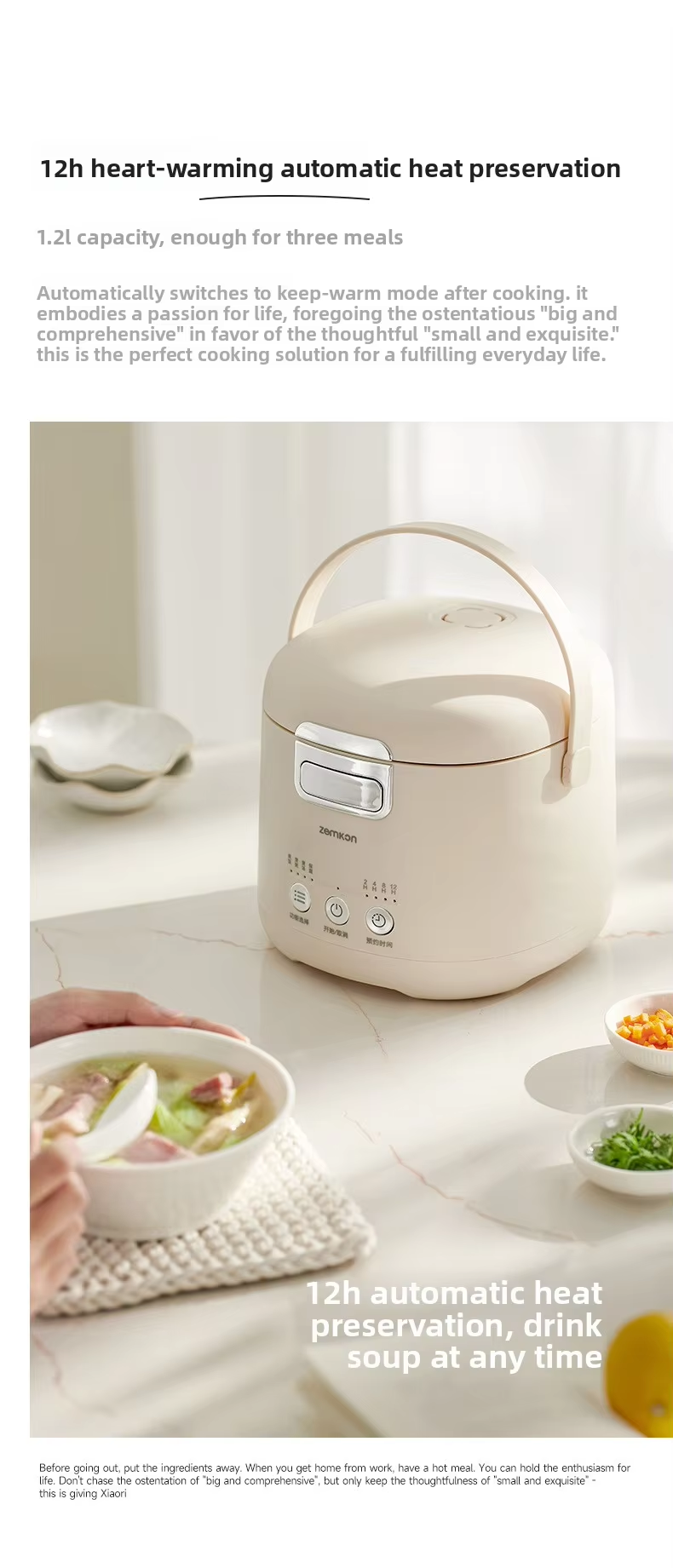
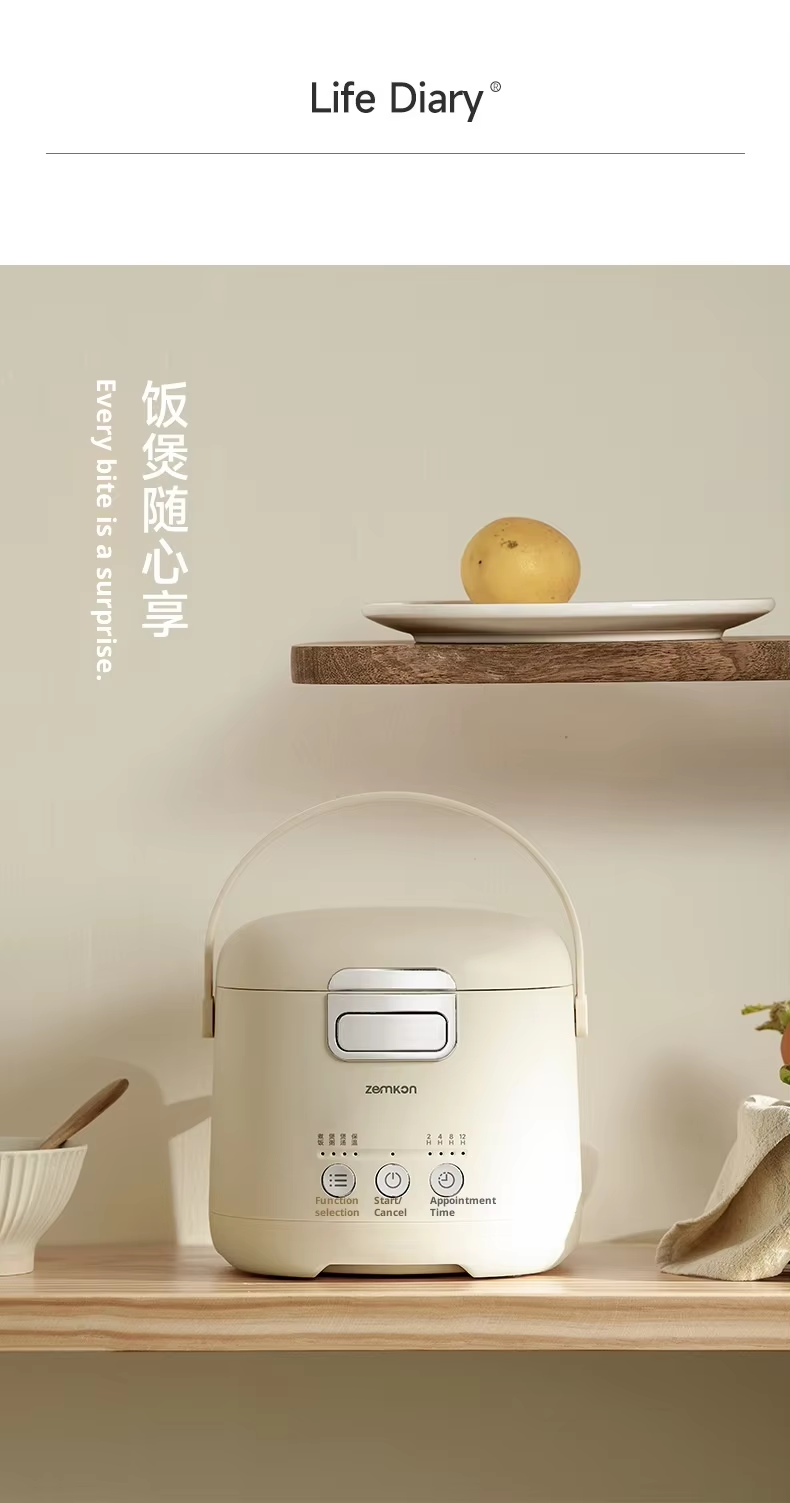
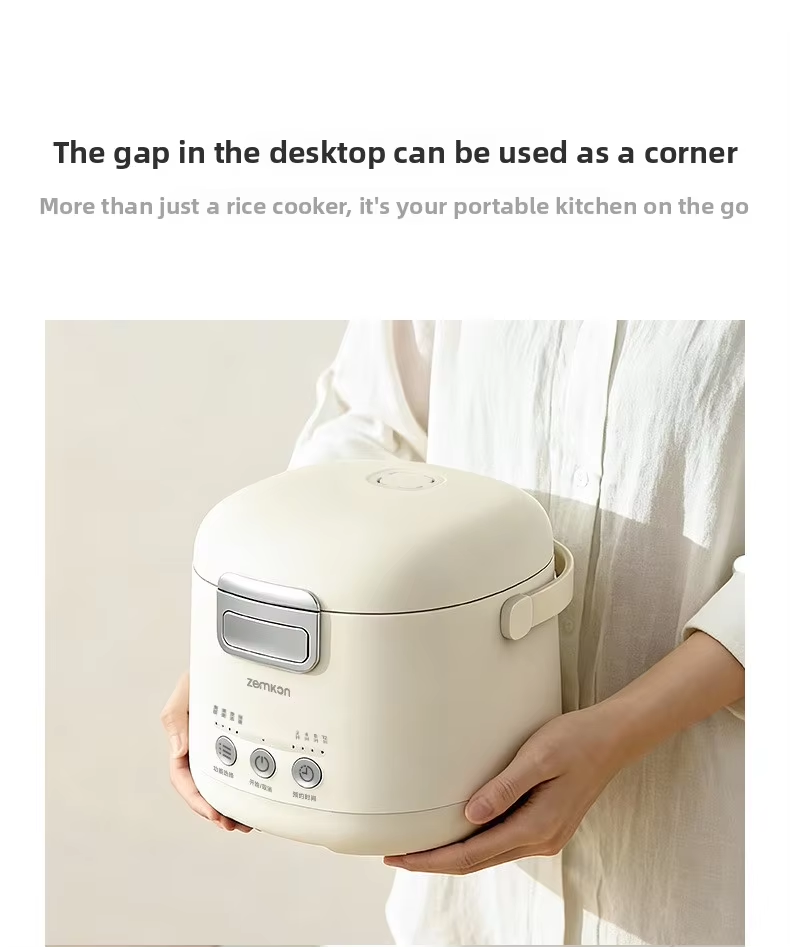
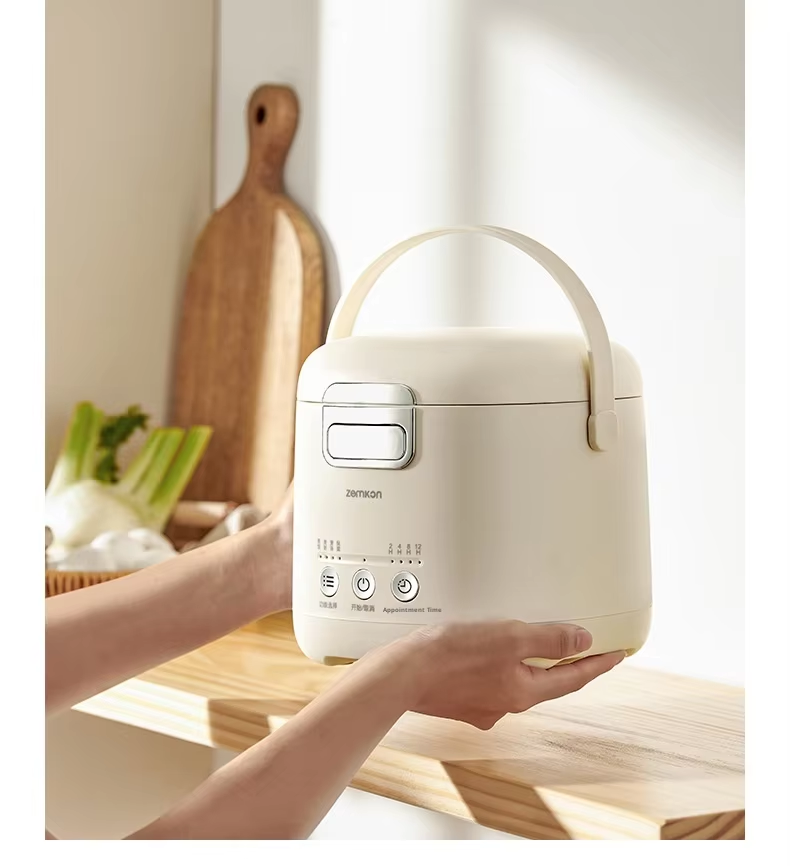
The 1-2 Mini Rice Cooker with Titanium Inner Pot is a great solution for those who live a modern lifestyle and want their appliances to be efficient, durable, and simple. As more people adopt minimalist living and smaller spaces, there is a growing trend of how appliances that are traditionally big and heavy become less necessary. This mini rice cooker is a great example of how that problem can be solved. The tiny size of this mini rice cooker makes it a perfect fit for a studio apartment, a shared dorm room, a small office, or even an RV kitchen, while at the same time, the premium titanium inner pot provides durability, precision heating, and excellent non-stick performance.
The cooker is capable of delivering full-scale performance, that is, evenly cooked fluffy rice, fast steaming functions, and consistent temperature control, despite its small footprint. If you are a single person, a couple, or a family where you need a secondary cooker for quick meals, then this mini rice cooker is the right product as it uses premium materials and smart heating technology to deliver excellent results every time.
1. Product Advantages: Small Body, Strong Performance
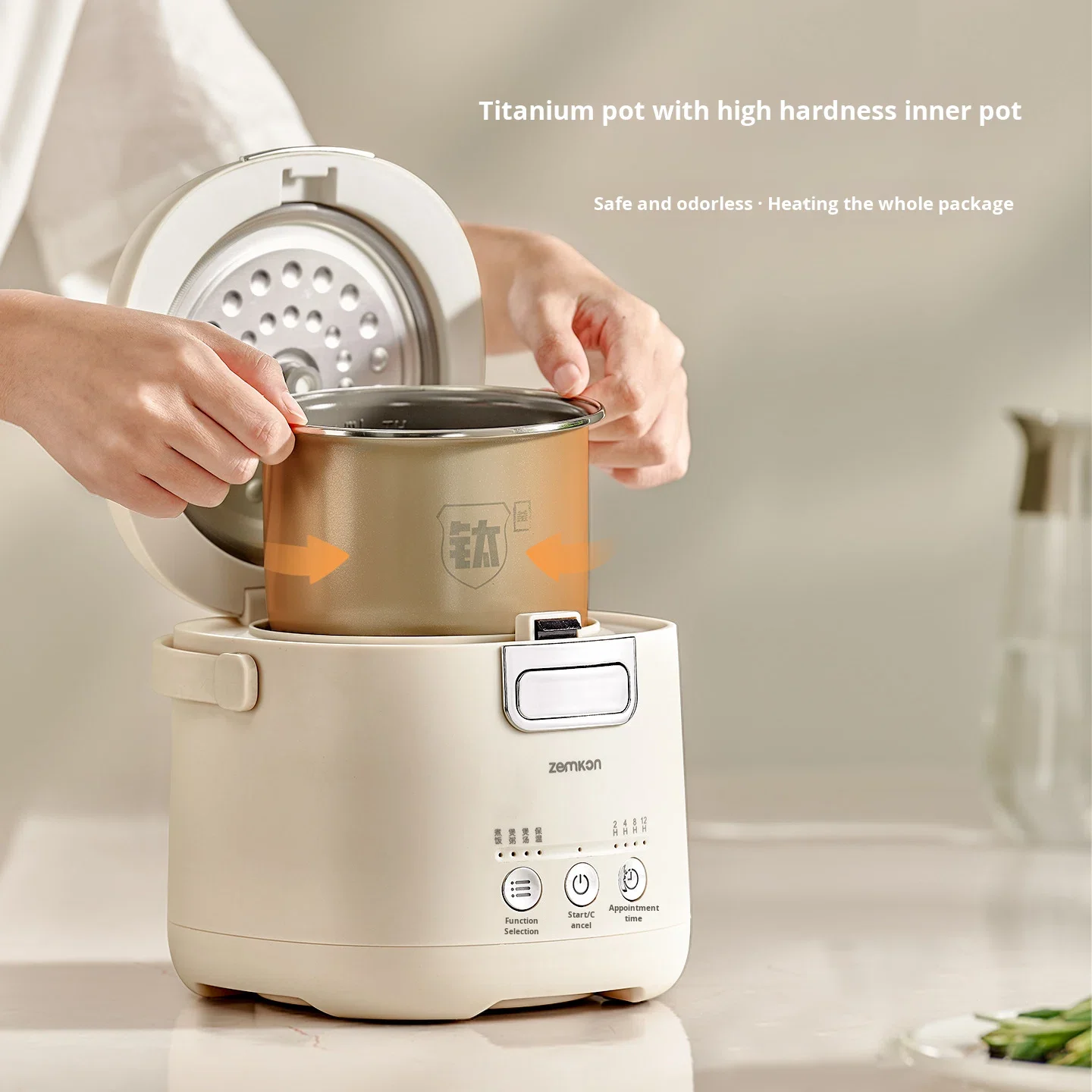
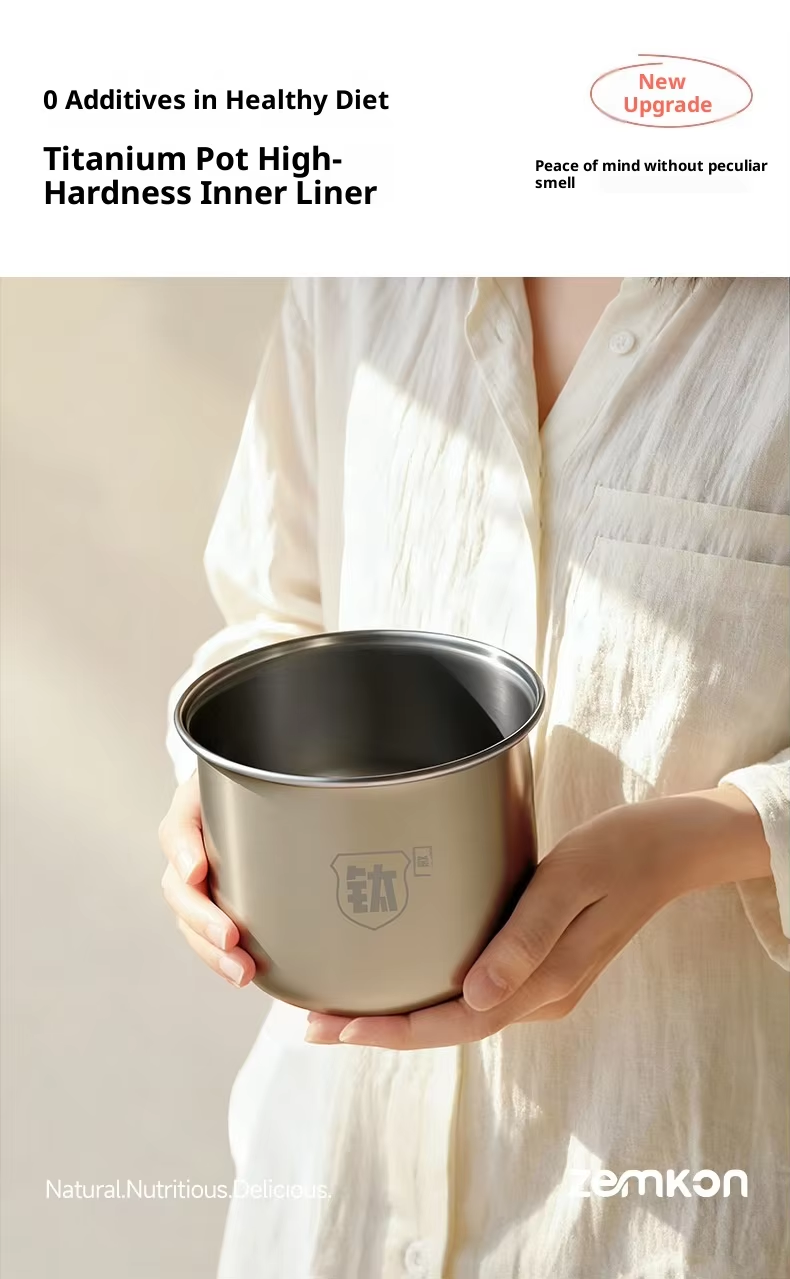
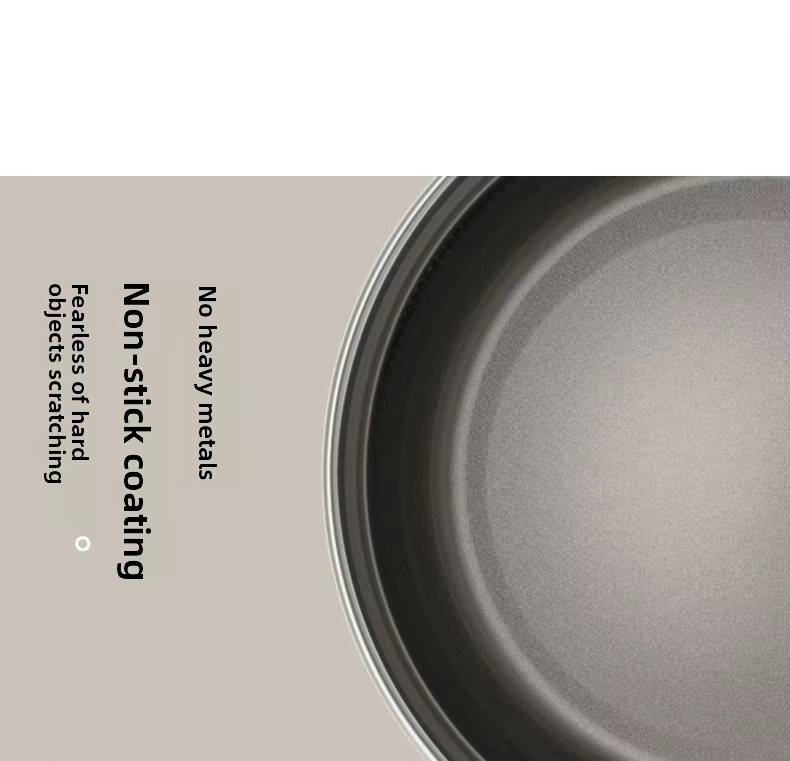
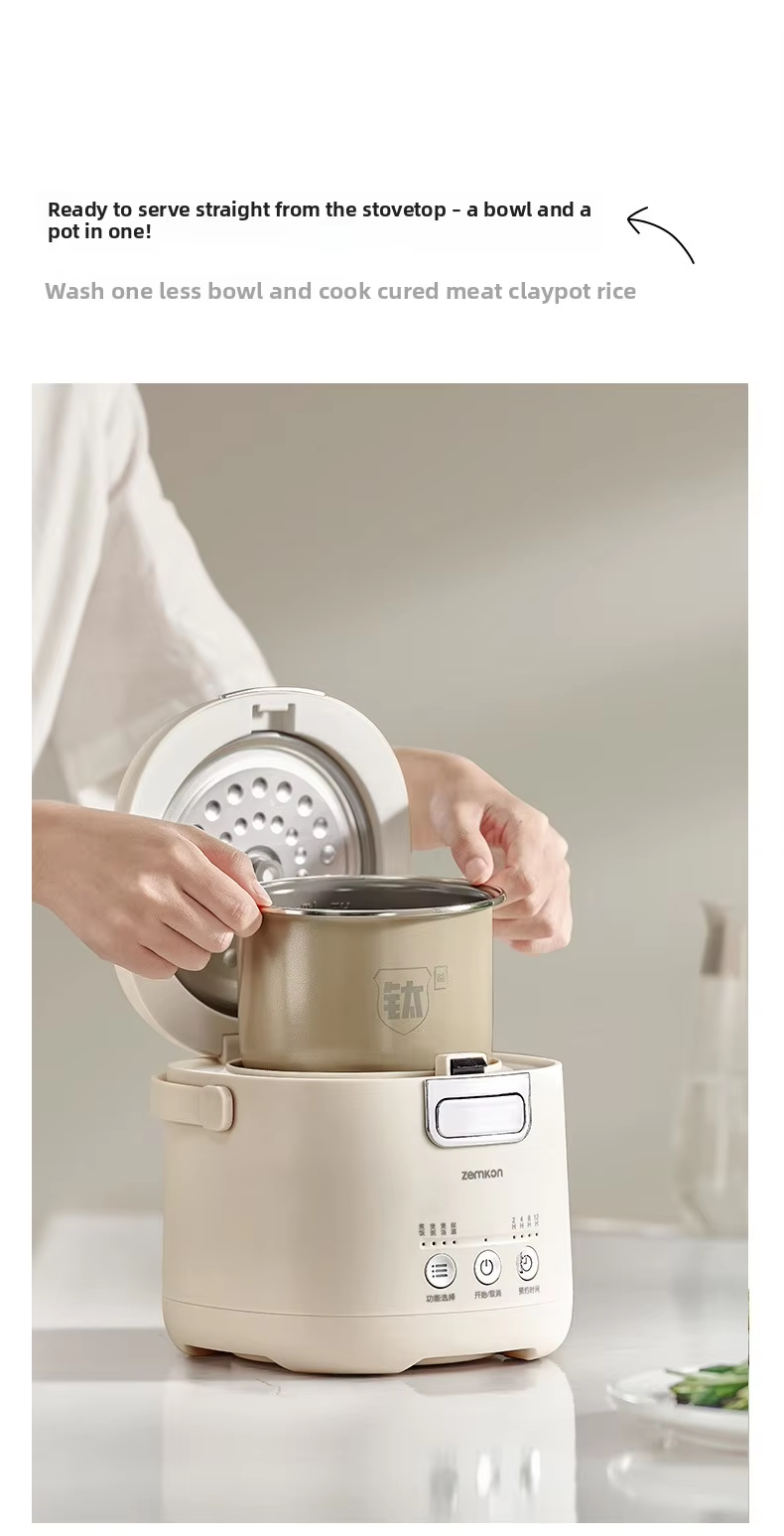
The titanium inner pot of this device which is a material that is known for being strong, stable, and safe for food, is the most outstanding feature of the product. Titanium not only heats up evenly but also it is very resistant to changes in the shape of the pot so the pot keeps its shape and even cooking precision, is it used daily. What is more, unlike coated pots, the titanium surface continues to maintain its non-stick performance without any peeling or discoloration. Thus the users are assured of safety and the lifespan of the product is increased drastically.
Moreover, the small size of the cooker makes it a very energy-efficient appliance. It warms up quickly, lowers the production of energy, and plays the perfect portion size game. The embedded microcomputer control, by automatically adjusting the heat levels, is thus at work to avoid burning or over-cooking. Those who love perfectly done rice but they hate the process of watching the whole time will find this advantage very interesting.
The third thing that makes this product so good is a cleanliness issue. Food release in the titanium pot is easy and therefore only a quick rinse is necessary. The body outside is made of heat-resistant material and it keeps cool during the user’s safety and comfort. In general, the mini rice cooker succeeds in being a lightweight, long-lasting, and low-maintenance kitchen tool, which is a perfect everyday cooking solution.
2. Application Scenarios: Perfect for Modern Living
The mini rice cooker has a great design that fits perfectly with different lifestyles and is also very versatile when it comes to places where it can be used. Its capacity of 1–2 people can be used in such places as:
• Small Apartments or Studio Flats
Few first-year college students or single professionals may have a problem like lack of counter space in their small kitchens. However, this cooker is not a problem at all, as it can be comfortably placed on any shelf or table.
• Dormitory Rooms
Students at college have a chance to cook healthy meals instead of relying only on the cafeteria. The device’s straightforward operation and safety features make it an excellent choice for a shared environment.
• Office Lunch Preparation
Most office employees choose to bring their lunch from home or cook at work. This mini rice cooker makes it easy to reheat or cook fresh meals without taking up space in a shared kitchen.
• RVs, Camping Vans, and Tiny Homes
To live a mobile and minimalist life means to have a compact but functional appliance. This cooker with its low power draw and fast cooking performance will make you satisfied on your trip.
• Secondary Cooker for Families
There are times when a household needs a small cooker only for baby food, porridges, quinoa, or other side dishes. This device is perfect working alongside a bigger rice cooker.
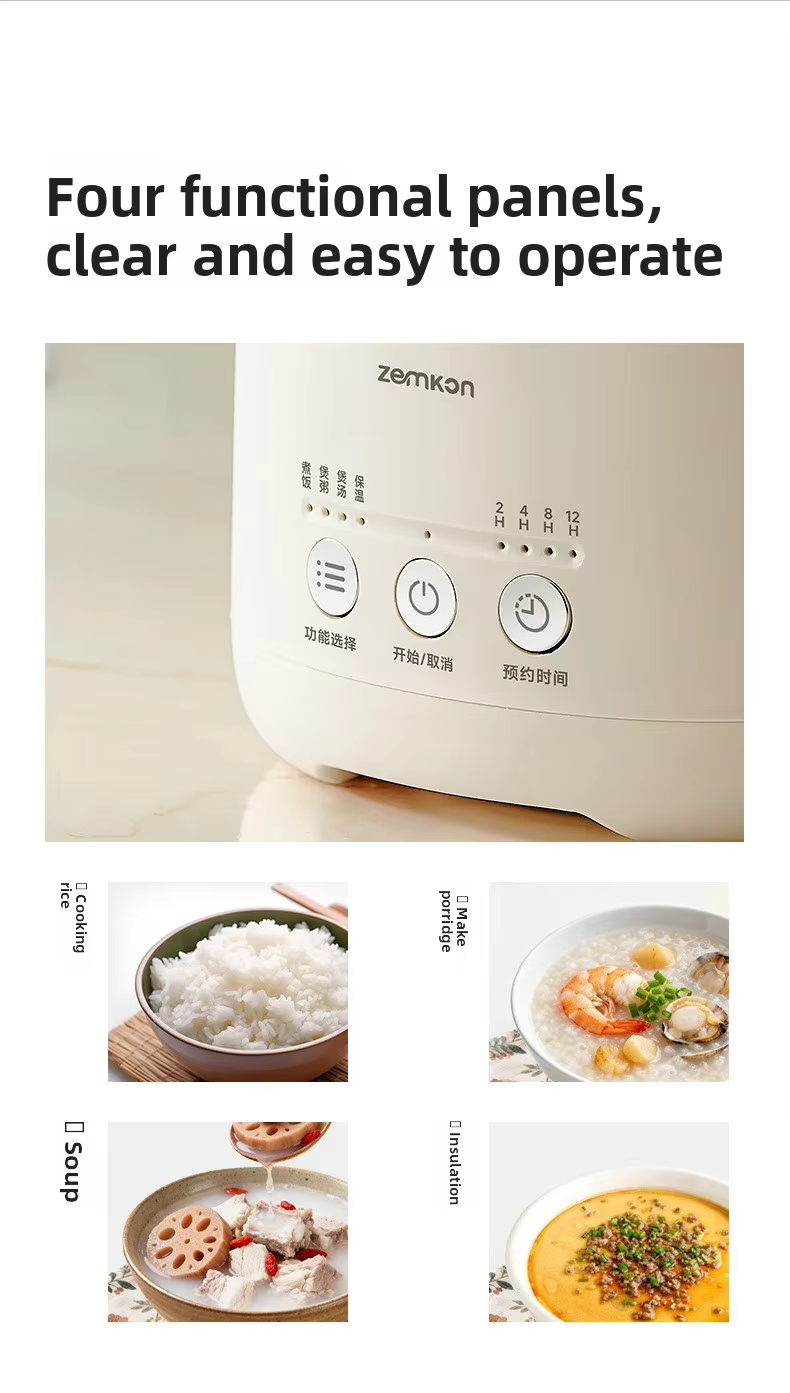
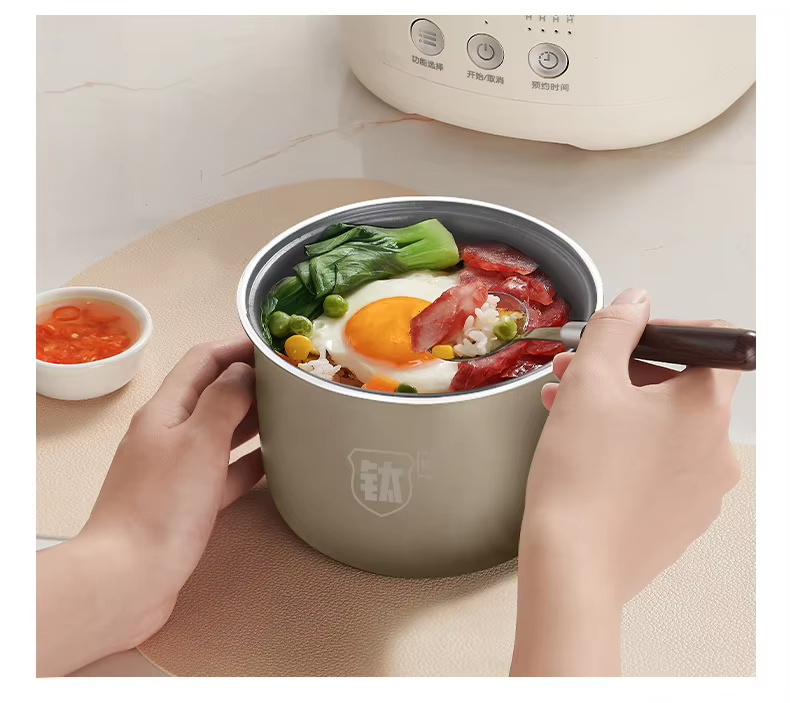
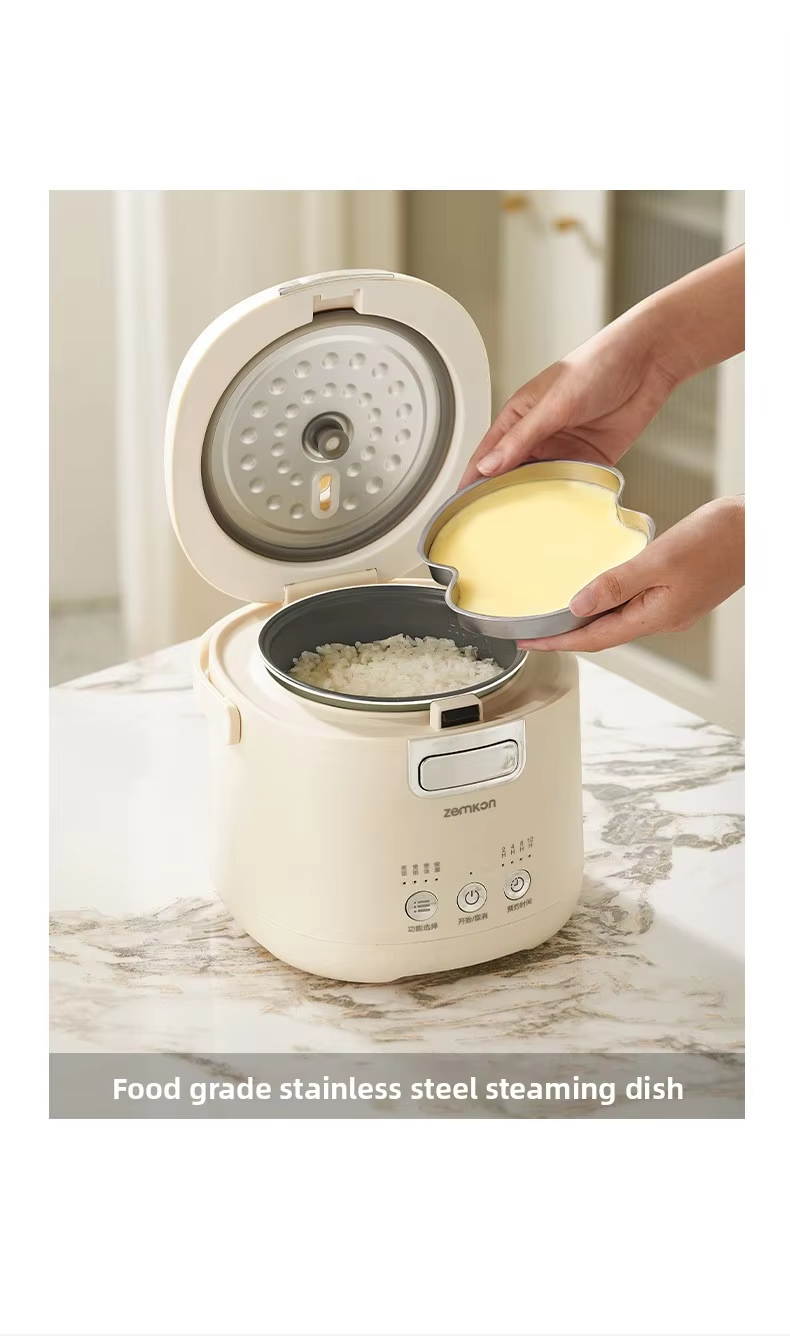
Besides rice, it is also capable of cooking other meals such as oatmeal, congee, steamed vegetables, boiled eggs, rice noodles, or even small desserts like steamed cakes. It makes the kitchen work easy and saves time.
3. Production Process: Built with Precision and Safety
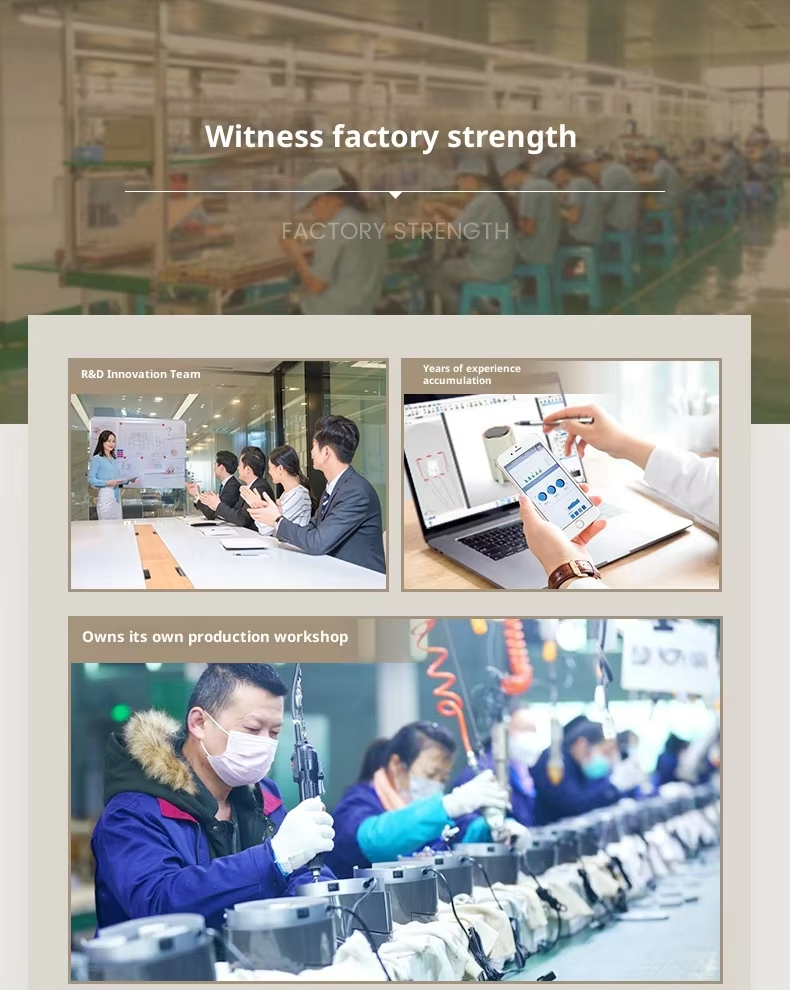
The emphasis of the Mini Rice Cooker production processes is on the three main issues – long life, the ability to maintain the same temperature for a long time, and the safety of the final user. The start of the creation of a product is the procurement of high-quality titanium which is later made into one solid pot piece by applying high-temperature shaping methods. In this way, the pot surface becomes immune to rust, pressure, and repetitive heating.
The outer shell of the body is created by means of either durable ABS or metal that can withstand the test for heat resistance and impact resistance. Besides that, breathing or venting controls are put at the top to adjust the steam pressure thus lessening the possibility of overheating.
After that, the electronic heating system gets together. This comprises:
- A smart temperature sensor
- Multi-layer heating plate
- Overheat protection module
- Microcomputer control panel
Each of the parts goes through very precise adjustments to assure the same cooking result every time. Next, the pot is connected to the body, and the quality checks follow, such as:
- Fast heating speed tests
- Tests for the non-stick surface quality
- Electrical insulation testing
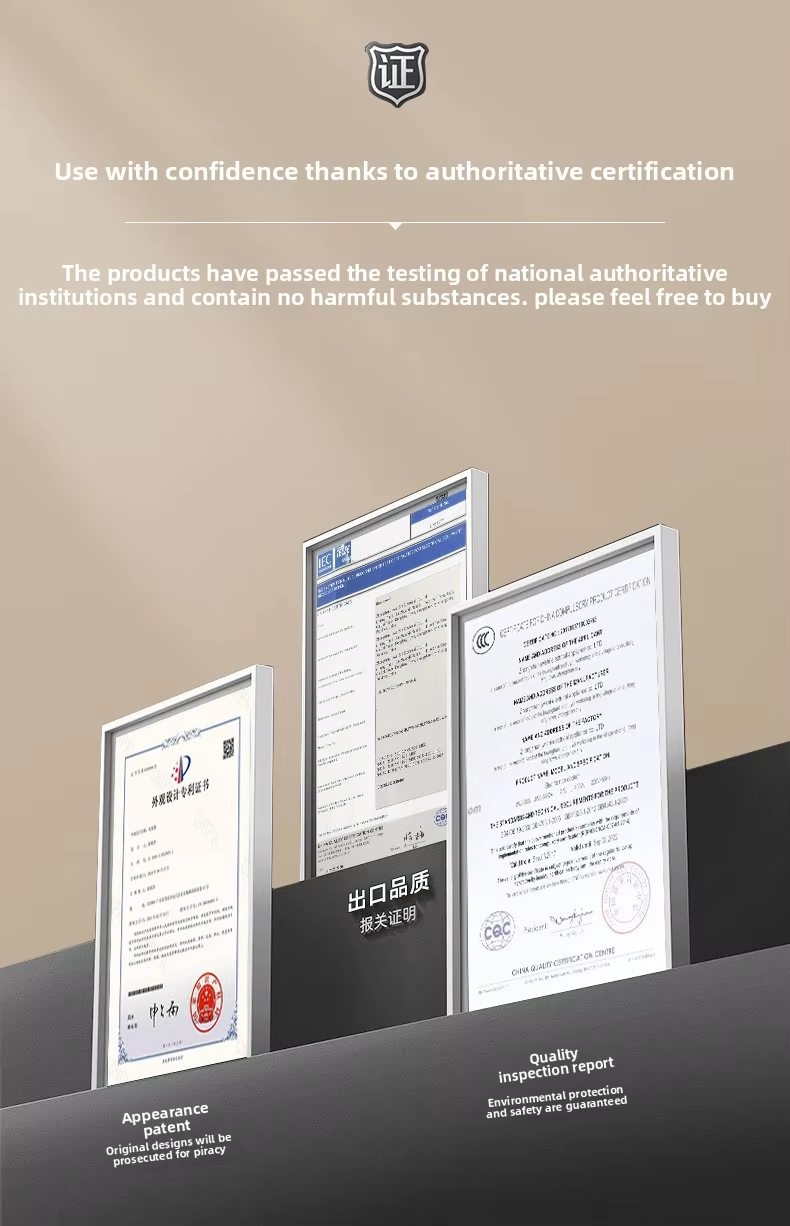
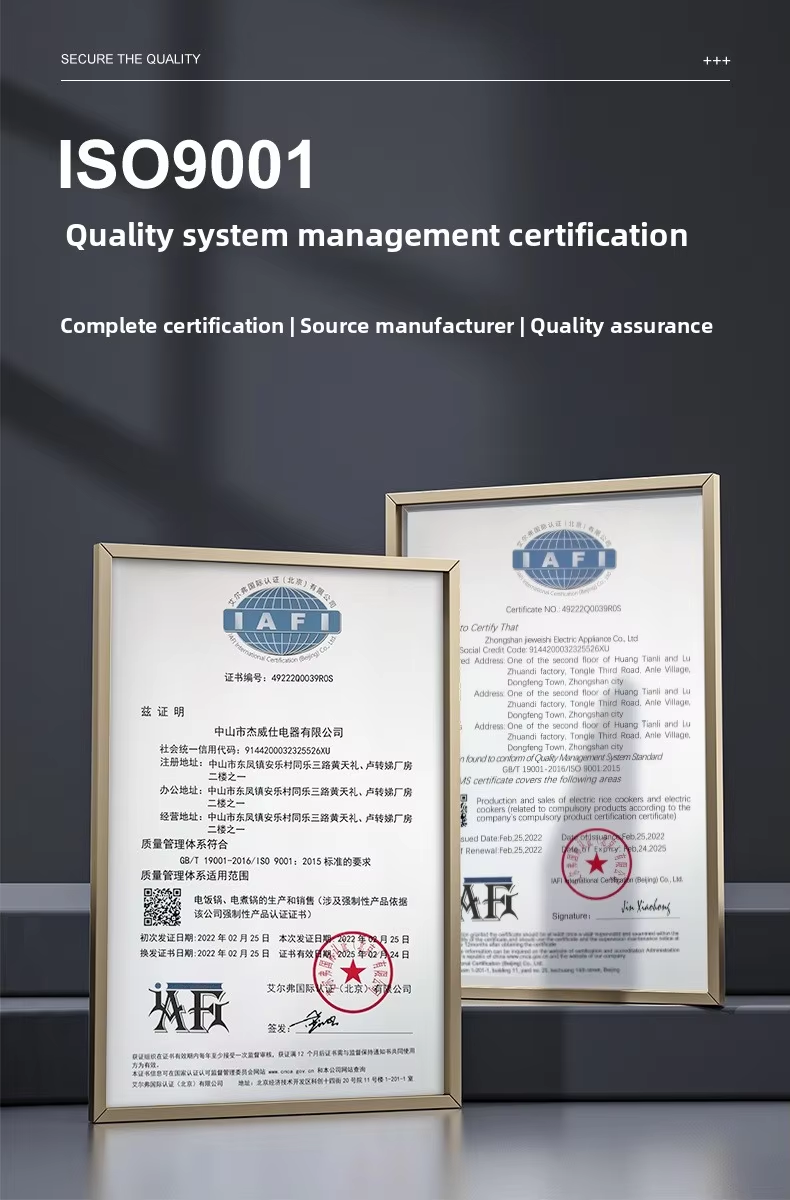
- Safety standard certification
It is only after the product has passed all of the tests that it moves on to the final assembly and packaging. That is how it is possible to get a rice cooker which is safe and reliable, and thus, long-term, everyday use is feasible.
4. Usage Instructions: Simple Steps for Everyday Convenience
Instruction of how to operate the Mini Rice Cooker for 1-2 People comes in handy and is easy to grasp for a beginner. The usage steps are as follows:
1. Measure the Rice
The proper amount of rice can be measured when the measuring cup that comes with the unit is used. The cooker is designed for small portions, typically between 0.5 and 1.5 cups.
2. Rinse Thoroughly
The rice should be washed until the water is clear. This will give better texture and will prevent too much starch from sticking.
3. Add Water
Water is added to the pot according to the marks on the scale. More water will give you soft rice while less water will result in harder grains.
4. Close the Lid Securely
It is always good to make sure that the lid is tightly closed so that the heat and the pressure can be preserved during the cooking.
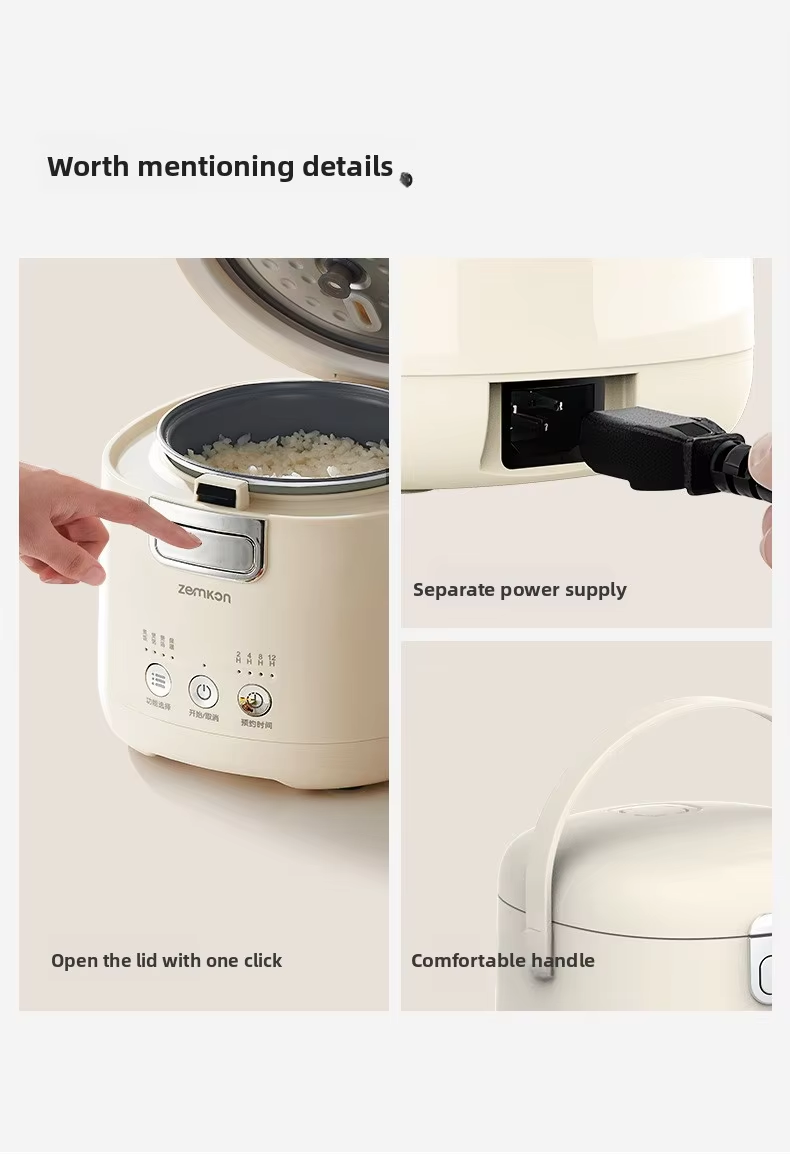
5. Press the Start Button
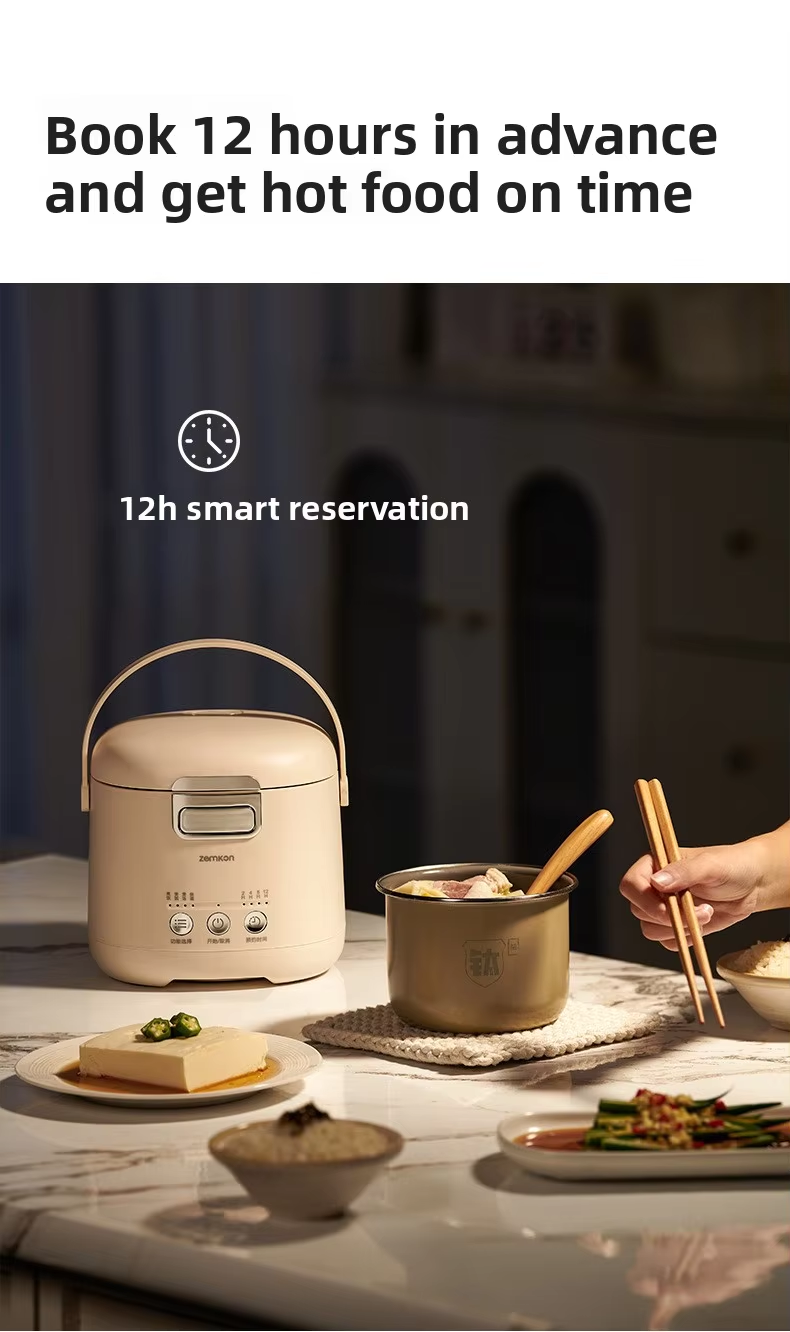
The microcomputer system is responsible for automatically adjusting heat levels. After the cooking is done the device will change to keep-warm mode.
6. Clean After Cooling
The pot should be allowed to cool before rinsing. The titanium surface makes the cleanup easy with the use of mild soap and a soft sponge.
Steps for congee, oatmeal, steamed dishes, and quick lunches are also the same and can be followed by users. The interface's simplicity makes the device accessible to users of all ages.

FAQ
Q:What is the Minimum Order Quantity (MOQ)?
A: Our standard MOQ is 1,000 pieces. For fully customized orders (such as special colors or new tooling), the MOQ may vary. Please contact us for details.
Q:Which Incoterms do you usually offer?
A: Our standard quotations are based on FOB (Free on Board) terms. However, we can also provide DDP quotes upon request.
Q:Can I brand the product with my logo?
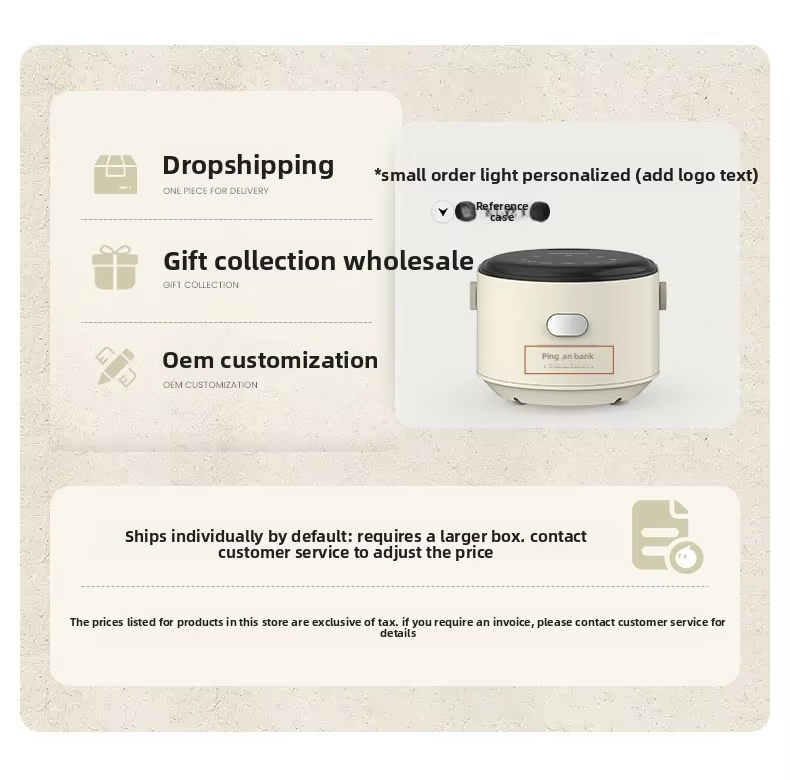
A: Yes, absolutely. We offer laser etching, silk-screening, and other branding options. Please provide your logo in AI or PDF format so we can create a mock-up for you.
Q:Do your products support different voltages and plugs for my country?
A: Yes. We can manufacture products compatible with 110V-120V (North America/Japan) or 220V-240V (Europe/Southeast Asia). We also equip them with appropriate plugs (e.g., VDE, BS, UL).
Q:How do you ensure product quality?
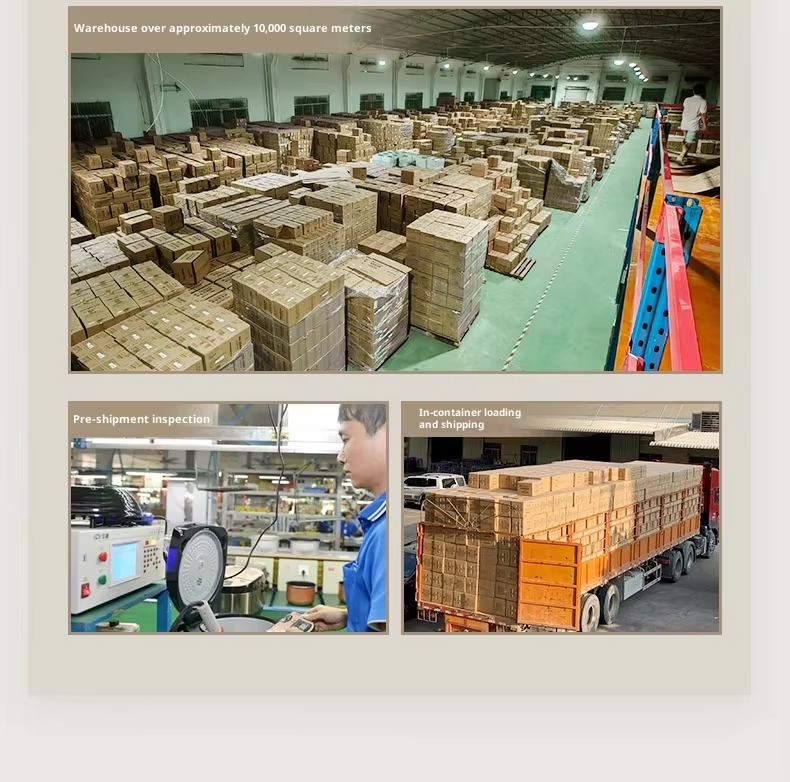
A: We follow a strict Quality Control process, including Incoming Quality Control (IQC), In-Process Quality Control (IPQC), and Final Quality Control (FQC). Every unit undergoes a 100% power and leakage test before packaging.