EN
EN


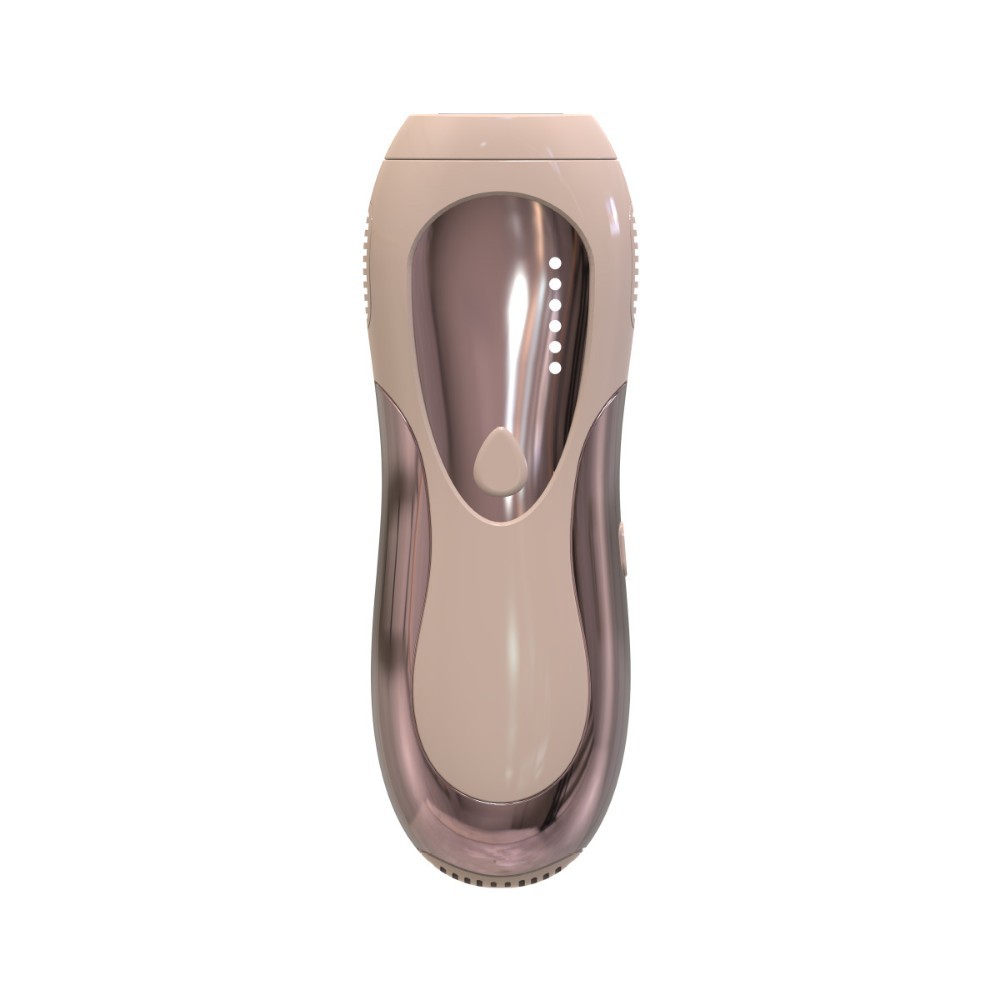
The growing popularity of at-home beauty devices has led many consumers to question whether a face laser hair removal machine is truly safe for personal use outside professional settings. This concern is valid, given that facial skin is delicate and visible, making safety a paramount consideration. A face laser hair removal machine designed for home use incorporates built-in safety features, adjustable intensity settings, and skin tone detection technology to minimize risks. However, understanding how these devices work, recognizing individual skin compatibility, and following proper usage protocols are essential to achieving safe and effective results with a face laser hair removal machine.
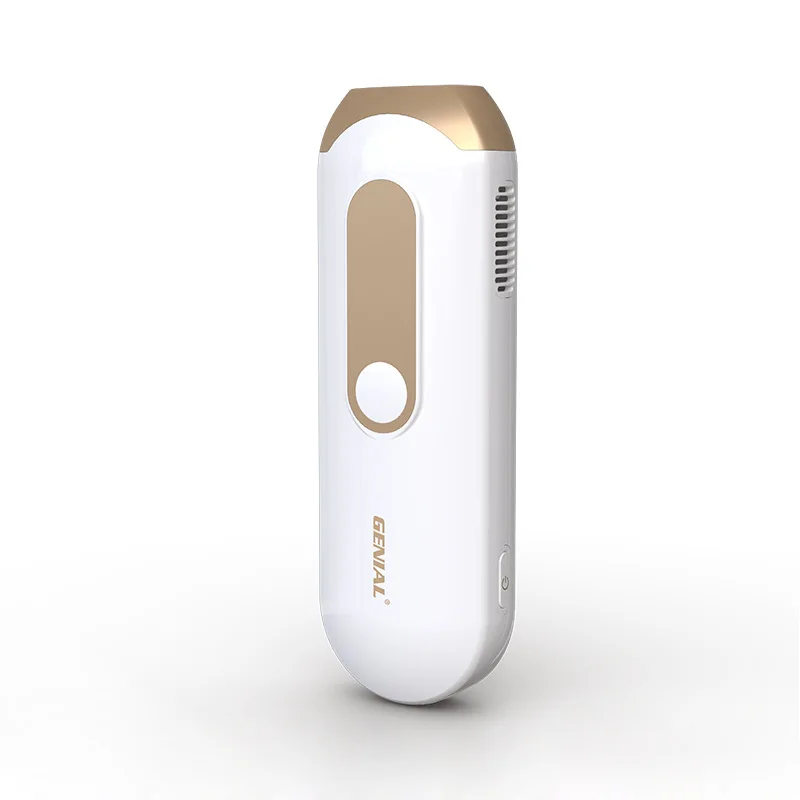
Safety depends on multiple factors including device certification, user adherence to guidelines, and realistic expectations about what a face laser hair removal machine can and cannot do. Modern home-use models utilize IPL or diode laser technology with lower energy outputs compared to clinical-grade equipment, which reduces the risk of burns or hyperpigmentation when used correctly. This article examines the safety profile of a face laser hair removal machine for home environments, clarifies the conditions under which these devices perform safely, and provides practical guidance to help users make informed decisions about incorporating a face laser hair removal machine into their personal care routine.
Understanding the Technology Behind a Face Laser Hair Removal Machine
How Light-Based Hair Removal Works on Facial Skin
A face laser hair removal machine operates by emitting controlled pulses of light energy that target melanin in hair follicles. When the light is absorbed by the pigment in the hair shaft, it converts to heat, which damages the follicle and inhibits future hair growth. The facial region presents unique challenges because the skin is thinner, more sensitive, and often exposed to environmental factors that affect its condition. A face laser hair removal machine designed for home use must balance sufficient energy output to be effective while limiting intensity to prevent thermal injury to surrounding skin tissue. Most consumer-grade face laser hair removal machine models use Intense Pulsed Light technology or low-level diode lasers, both of which are considered safer for non-professional users than high-powered clinical lasers.
Built-In Safety Mechanisms in Modern Devices
Contemporary face laser hair removal machine units incorporate multiple safety features to protect users during treatment. Skin tone sensors automatically detect whether the contrast between skin and hair color is sufficient for safe treatment, preventing the device from firing on darker skin tones that carry higher risk of pigmentation changes. Contact sensors ensure the face laser hair removal machine only activates when fully pressed against the skin, reducing accidental exposure. Adjustable energy levels allow users to start at lower intensities and gradually increase as their skin adapts. Cooling mechanisms, such as sapphire contact surfaces or integrated cooling fans, help dissipate heat and minimize discomfort during treatment. These features collectively make a face laser hair removal machine significantly safer than older models, though they do not eliminate the need for careful, informed use.
Assessing Individual Suitability for a Face Laser Hair Removal Machine
Skin Tone and Hair Color Compatibility
The effectiveness and safety of a face laser hair removal machine depend heavily on the contrast between skin tone and hair color. These devices work best on individuals with light to medium skin tones and dark hair, as the melanin in the hair absorbs more light energy while the surrounding skin reflects it. A face laser hair removal machine is generally not recommended for very dark skin tones or individuals with blonde, red, or gray facial hair, as the lack of contrast increases the risk of burns or ineffective treatment. Users with olive or tan skin should proceed cautiously, starting with the lowest settings on their face laser hair removal machine and monitoring for adverse reactions. Anyone with a history of keloid scarring, active skin infections, or photosensitivity conditions should consult a dermatologist before using a face laser hair removal machine.
Pre-Treatment Skin Preparation Requirements
Proper preparation significantly enhances the safety profile of a face laser hair removal machine. Users must cleanse facial skin thoroughly to remove makeup, oils, and debris that could interfere with light penetration or cause uneven heating. Shaving the treatment area 24 hours before using a face laser hair removal machine is essential, as the device targets the hair root beneath the skin rather than the visible shaft. Waxing, plucking, or using depilatory creams removes the follicle entirely, rendering the face laser hair removal machine ineffective and wasting treatment sessions. Avoiding sun exposure, tanning beds, and self-tanning products for at least two weeks before and after using a face laser hair removal machine reduces the risk of hyperpigmentation. Conducting a patch test on a small area of the face allows users to assess their skin's reaction before proceeding with full treatment using their face laser hair removal machine.
Best Practices for Safe Operation of a Face Laser Hair Removal Machine
Correct Usage Techniques and Session Frequency
Following manufacturer guidelines is critical to safe outcomes with a face laser hair removal machine. Users should always wear protective eyewear during treatment to shield eyes from intense light pulses, even though most face laser hair removal machine models have safety interlocks. Holding the device at the correct angle and maintaining consistent contact pressure ensures even energy distribution and prevents gaps or overlaps that could cause burns. A typical face laser hair removal machine treatment protocol involves sessions every two weeks for the first few months, then maintenance treatments every four to eight weeks. Overuse of a face laser hair removal machine does not accelerate results and increases the risk of skin damage. Treating the same area multiple times in one session with a face laser hair removal machine can cause thermal buildup and blistering. Patience and adherence to recommended intervals allow the skin to recover between treatments and optimize the effectiveness of the face laser hair removal machine.
Recognizing and Managing Adverse Reactions
While a face laser hair removal machine is generally safe when used correctly, users should be aware of potential side effects and know how to respond. Mild redness and slight swelling immediately after treatment are normal and typically subside within a few hours. Applying aloe vera gel or a cool compress can soothe the skin after using a face laser hair removal machine. Persistent pain, blistering, or changes in skin pigmentation indicate that the energy level was too high for the user's skin type or that the face laser hair removal machine was not used properly. In such cases, discontinuing use and consulting a dermatologist is essential. Users should avoid applying harsh skincare products, exfoliants, or retinoids for several days after using a face laser hair removal machine, as the skin barrier is temporarily compromised. Consistent use of broad-spectrum sunscreen is non-negotiable after treatments with a face laser hair removal machine, as the skin becomes more vulnerable to UV damage and hyperpigmentation.
FAQ
Can everyone safely use a face laser hair removal machine at home?
Not everyone is a suitable candidate for a face laser hair removal machine. These devices work best for individuals with light to medium skin tones and dark facial hair. People with very dark skin, blonde, red, or gray hair, active skin conditions, or a history of keloid scarring should avoid using a face laser hair removal machine or seek professional medical advice before starting treatment. Pregnant or breastfeeding individuals should also refrain from using a face laser hair removal machine as a precautionary measure.
How long does it take to see results from a face laser hair removal machine?
Results from a face laser hair removal machine vary by individual, but most users notice a reduction in hair growth after four to six treatment sessions. Since a face laser hair removal machine targets hair in the active growth phase, multiple sessions spaced two weeks apart are necessary to treat all follicles. Consistent use of a face laser hair removal machine over three to six months typically yields significant and long-lasting hair reduction, though periodic maintenance sessions may be needed to sustain results.
Are there any areas of the face where a face laser hair removal machine should not be used?
A face laser hair removal machine should not be used directly on or near the eyes, eyelids, or eyebrows due to the risk of vision damage from light exposure. The device is also not recommended for use on lips, moles, tattoos, or areas with open wounds or active infections. Users should carefully review the safety instructions provided with their specific face laser hair removal machine model, as some devices have additional restrictions based on their design and energy output.