EN
EN



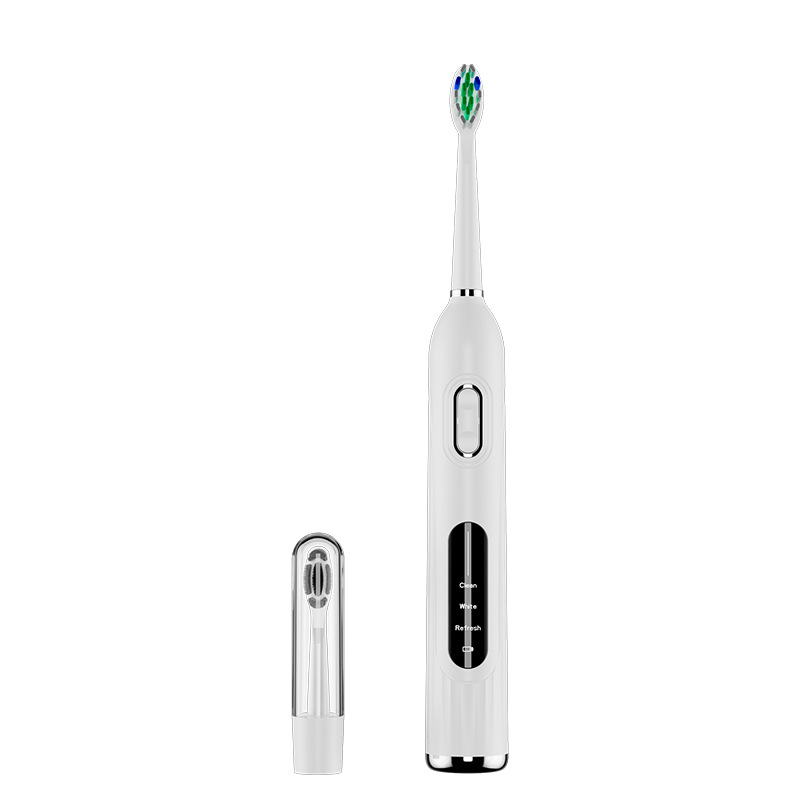
Traveling requires careful packing decisions, and oral hygiene tools rank among the most essential items for maintaining health on the road. A portable electric toothbrush offers travelers a compact, efficient solution that combines the cleaning power of electric brushing with the convenience of lightweight design. For frequent flyers, business travelers, and vacation-goers alike, understanding whether a portable electric toothbrush meets travel demands determines if this investment delivers real value beyond traditional manual options.
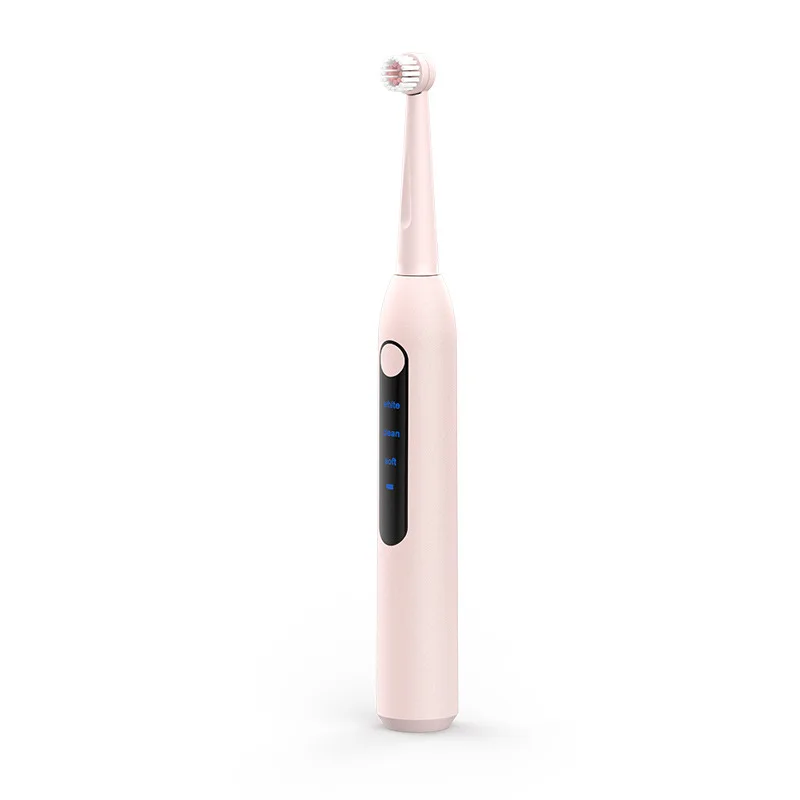
The answer depends on several practical factors including battery life, size constraints, durability during transit, and cleaning effectiveness compared to manual alternatives. A portable electric toothbrush specifically designed for travel addresses these concerns through specialized engineering that prioritizes mobility without sacrificing oral care quality. This article examines the key advantages, functional considerations, and practical limitations that determine whether a portable electric toothbrush serves as a good companion for your travel routines.
Key Advantages of Using a Portable Electric Toothbrush While Traveling
Superior Cleaning Efficiency in Limited Time
Travel schedules often compress morning and evening routines, leaving less time for thorough oral care. A portable electric toothbrush delivers significantly more brush strokes per minute than manual brushing, typically ranging from 15,000 to 40,000 movements depending on the model. This mechanical efficiency means travelers achieve better plaque removal in shorter brushing sessions, which proves particularly valuable during rushed hotel mornings or late-night returns to accommodations. The oscillating or sonic technology in a portable electric toothbrush ensures consistent cleaning pressure across all tooth surfaces, reducing the technique-dependent variability that affects manual brushing effectiveness.
Compact Design Optimized for Luggage Space
Modern portable electric toothbrush models feature streamlined dimensions specifically engineered for travel cases and toiletry bags. Most travel-focused units measure between 7 to 9 inches in length with slim profiles under 1 inch in diameter, occupying minimal space compared to full-sized electric toothbrush bases. Many portable electric toothbrush designs incorporate protective travel cases that double as charging stations, eliminating the need for separate storage containers. This space efficiency allows travelers to maintain electric brushing benefits without sacrificing valuable luggage room for other essentials. The lightweight construction of a quality portable electric toothbrush typically ranges from 2 to 4 ounces, adding negligible weight to carry-on bags while delivering superior oral care performance.
Extended Battery Life for Multi-Day Trips
Battery capacity stands as a critical factor determining whether a portable electric toothbrush suits travel needs. Premium travel models offer 2 to 4 weeks of usage on a single charge, assuming standard twice-daily brushing sessions. This extended operation eliminates the need to pack chargers for short to medium-length trips, reducing both luggage complexity and dependence on compatible power outlets in foreign accommodations. Some portable electric toothbrush units incorporate USB charging capabilities, allowing travelers to recharge using laptop ports, power banks, or standard phone chargers. The convenience of USB compatibility proves especially valuable for international travel where outlet configurations vary across regions.
Practical Considerations for Travel-Specific Usage
Durability and Protection During Transit
A portable electric toothbrush must withstand the physical stresses of frequent packing, unpacking, and potential impacts during baggage handling. Quality travel models feature reinforced construction with shock-resistant housings that protect internal motors and battery components from damage. The inclusion of protective travel cases with a portable electric toothbrush significantly reduces the risk of accidental activation in luggage, which can drain batteries and potentially damage bristles. Waterproof ratings, typically IPX7 or higher, ensure a portable electric toothbrush tolerates exposure to moisture in shared bathrooms, humid tropical climates, or accidental submersion in toiletry bags. These durability features determine whether a portable electric toothbrush remains functional across multiple trips or requires frequent replacement.
Airline Compliance and Security Screening
Travelers must consider whether a portable electric toothbrush complies with airline regulations for carry-on items and lithium battery restrictions. Most portable electric toothbrush models contain lithium-ion batteries under 100 watt-hours, which meet international air transport standards for personal electronic devices. However, travelers should verify specific airline policies regarding battery-powered toiletries, as regulations occasionally vary between carriers and international routes. Security screening rarely flags a portable electric toothbrush as problematic, but the device may require separate examination if packed in carry-on luggage. Choosing a portable electric toothbrush with clearly visible battery specifications and standard USB charging reduces potential complications during airport security procedures.
Maintenance Requirements Away from Home
Maintaining a portable electric toothbrush during extended travel involves considerations beyond simple daily use. Brush head replacement schedules remain consistent with home usage, typically every three months, but travelers should pack spare heads for trips lasting longer than this interval. Cleaning a portable electric toothbrush requires regular rinsing after each use to prevent bacterial buildup, which becomes more challenging in shared accommodation bathrooms with limited counter space. The charging infrastructure for a portable electric toothbrush must align with available power sources at travel destinations, making models with universal voltage compatibility essential for international trips. Some travelers prefer portable electric toothbrush models with replaceable batteries as backup options when charging opportunities prove scarce during remote or adventure travel.
Comparing Portable Electric Toothbrush Performance to Travel Alternatives
Advantages Over Manual Travel Toothbrushes
While manual toothbrushes offer ultimate simplicity and zero battery dependence, a portable electric toothbrush provides measurably superior plaque removal and gum health benefits backed by clinical research. The mechanical action of a portable electric toothbrush removes up to 100% more plaque than manual brushing in equivalent time periods, which proves particularly valuable when travel disrupts normal oral care routines. Manual toothbrushes require proper technique to achieve effective cleaning, whereas a portable electric toothbrush compensates for rushed or suboptimal brushing form through its automated bristle movement. For travelers prone to dental issues or those who value preventive care, a portable electric toothbrush represents a worthwhile investment that maintains oral health standards despite variable travel conditions.
Trade-offs Compared to Full-Sized Electric Toothbrushes
A portable electric toothbrush typically offers reduced feature sets compared to premium countertop models, with fewer brushing modes, simpler pressure sensors, and sometimes lower motor power. These compromises enable the compact form factor and extended battery life that make a portable electric toothbrush practical for travel, but may result in slightly diminished cleaning performance for users accustomed to high-end home units. Battery capacity in a portable electric toothbrush rarely matches the multi-week endurance of full-sized charging bases, requiring more frequent recharging for travelers on extended trips. However, the portability advantages of a dedicated travel portable electric toothbrush outweigh these limitations for most users who prioritize convenience and space efficiency during trips while maintaining separate premium units for home use.
Cost-Benefit Analysis for Frequent Travelers
The initial investment in a quality portable electric toothbrush ranges from moderate to premium pricing depending on brand and feature set, raising questions about value for different traveler profiles. Frequent business travelers who spend significant portions of each month away from home derive substantial benefit from a portable electric toothbrush through consistent oral care quality across locations. Occasional vacation travelers may find the cost harder to justify if trips occur only a few times annually, though the convenience and health benefits still provide value beyond simple dollar calculations. The lifespan of a well-maintained portable electric toothbrush typically extends 3 to 5 years with proper care, distributing the initial cost across hundreds of uses. When factored against potential dental treatment expenses from inadequate travel oral care, a portable electric toothbrush represents a preventive investment that often pays for itself through avoided dental problems.
FAQ
How long does a portable electric toothbrush battery typically last on a single charge?
Most quality portable electric toothbrush models provide 2 to 4 weeks of battery life with twice-daily use, though actual duration varies by brand, battery capacity, and brushing intensity settings. Premium travel-oriented portable electric toothbrush units often feature battery indicators that alert users to remaining charge levels, helping travelers plan recharging schedules during trips. For extended journeys, selecting a portable electric toothbrush with USB charging capability ensures flexible recharging options using common travel accessories like laptop adapters or portable power banks.
Can a portable electric toothbrush clean as effectively as a full-sized model?
A well-designed portable electric toothbrush delivers cleaning performance comparable to full-sized models for fundamental plaque removal and gum care, though premium home units may offer additional features like advanced pressure sensors or specialized brushing modes. The core sonic or oscillating technology in a portable electric toothbrush functions identically to larger versions, maintaining the essential mechanical advantage over manual brushing. Travelers prioritizing oral health should choose a portable electric toothbrush from reputable manufacturers with proven cleaning technology rather than focusing solely on compact size or battery life specifications.
What should I look for when choosing a portable electric toothbrush for international travel?
International travelers should prioritize a portable electric toothbrush with universal voltage compatibility, typically 100-240V, which accommodates different electrical standards across regions without requiring separate converters. USB charging capability in a portable electric toothbrush provides maximum flexibility since USB power sources remain consistent worldwide through standard adapters. Additionally, selecting a portable electric toothbrush with IPX7 waterproof rating ensures durability in varying climate conditions, while a protective travel case prevents damage during international flights and ground transportation. Battery capacity sufficient for your typical trip duration eliminates dependence on potentially incompatible foreign power outlets during short international visits.