EN
EN



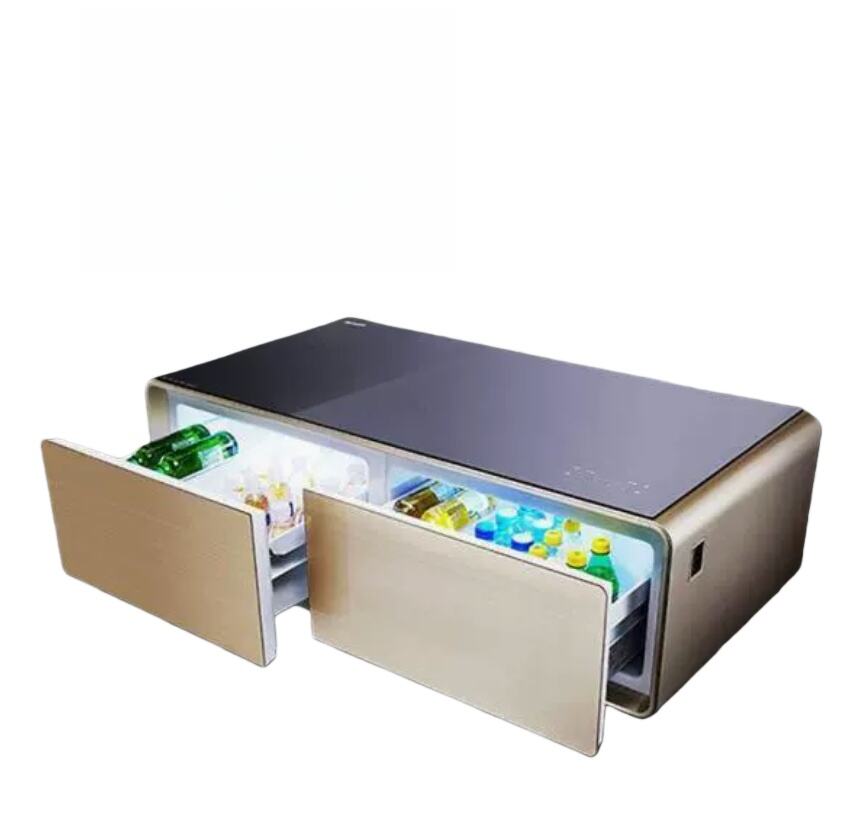
While smart furniture is continuing to redefine living and commercial spaces, a smart table has become a very innovative and iconic product. From interactive conference table to multifunctional smart coffee table for homes, these are the kinds of products where one can get technology, design, and practicality.To help businesses and consumers make wise decisions and get the best value for their money, the article dives into the major points that affect the price of smart tables.
Technology Integration and Smart Features
One factor, which most significantly impacts the price of a smart table, is the amount of technology built into the product. A smart table at the entry-level is likely to have only 1-2 features like wireless charging or a touch control system, whereas a top-shelf product may come with an interactive touchscreen, voice-activated control, IoT connection, AI-controlled interface, and built-in operating system.
Introducing each new feature adds to the hardware price, software development fees, and the need for prolonged system testing. For instance, a smart table with a touch display capable of holding several users at the same time will definitely be more expensive than a product intended only for charging and light control. To this end, Shenzhen Fengchang focuses on software stability and hardware quality, which is reflected in its prices but at the same time, enhances the overall performance.
Materials and Build Quality
The choice of materials is one of the most important factors in setting a smart table price. The use of premium wood, toughened glass, metal such as aluminum alloy, or environmentally friendly composites is bound to cost more than using standard MDF or plastic parts.
Besides making a product look great, premium materials also help the product to be more durable, have a higher load capacity, and be resistant to wear and tear. In places such as hotels, offices, and exhibition halls where usage is heavy and varied, a sturdy product is a must. Shanghai Yuexuntong resorts to materials that allow the smart table to be both stylish and durable.
Design Complexity and Customization
Design does not only mean how an item looks—it is also about how the users interact with it, how it fits their needs, and how it blends into the environment. Raising the complexity of a design can easily make it costlier but adding too many features could even make a design non-functional. For a design to be a successful one, it needs to be a multiple of simplicity, functionality, and beauty.
Offering a range of customization options, such as custom logos, exclusive shapes, modular units, and industry-specific features, call for more design, development and testing work. Such tailor-made solutions that are especially favored by corporate clients come naturally with a higher price tag.
Display Size and Interaction Capabilities
If a smart table has a display, its size and quality play a huge role in determining the overall price. High-quality screens, anti-reflective surface, multi-touch features, and displays that don't wear quickly all contribute to higher production costs.
Compared to a simple, basic interface smart side table, an interactive smart table with a large screen and a host of features for meetings, learning or digital presentations will be significantly more expensive. New technologies for interaction, such as gesture recognition or multi-user input at the same time, are also factors that influence the price of a smart table.
Manufacturing Scale and Supply Chain
The higher the production quantity, the more the per-unit price goes down. This is due to the economies of scale, whereby fixed costs can be spread out over a larger number of goods produced. On the other hand, small batches of production or the making of prototypes can be costly and give a high price per unit.
Besides that, the stability of global supply chains will have an effect on the prices of chips, displays as well as smart modules in the making, which are component-wise crucial. Well-established companies such as Shanghai Yuexuntong make use of matured supply chains and quality control to keep their prices at a steady level while, at the same time, maintaining the quality of their products.
Software Development and System Updates
Smart tables, unlike traditional furniture, are basically a piece of software. They require user interfaces, continuous updates via firmware, security patches, compatibility with other smart devices, all of which need development and maintenance.
The cost of a smart table may include the provision of a software support program, cloud connection, or system updates even years down the line. Proprietary platforms and after-sales professional services make this kind of furniture more expensive but, at the same time, guarantee better user experience and longevity.
Certifications, Safety, and Compliance
Smart tables in commercial and public locations must meet safety, electrical, and environmental standards. Obtaining certifications such as electromagnetic compatibility, electrical safety, and sustainable materials requires testing and adds to compliance cost.
Manufacturers such as Shanghai Yuexuntong put a great deal of emphasis on compliance and safety, which may only slightly increase the smart table's price but greatly decrease the risks for buyers, especially those from overseas markets.
Brand Value and After-Sales Service
Brand influence along with service support, play an important role in determining the smart table price. The more established a brand is and the better its track record of customer satisfaction, responsive service, and comprehensive warranty, the more it can charge relative to less known names.
Higher smart table prices come with benefits like professional installation instruction, technical support, availability of spare parts, and extended warranties—essential factors for business as well as institutional buyers.
Conclusion
The smart table price is a result of several factors such as technology, materials, design, manufacturing scale, and service support. Ones at the lower end of the price range may suffice for the basic needs, while the smart tables at the upper end of the market offer advanced functionality, durability, and a good long-term value for money.
In purchasing smart table solutions, it would be wise to move past the face value and consider the performance, lifespan, and support that will be provided. Shanghai Yuexuntong is an example of how combining thoughtful product design with reliable technology can help justify a certain price level while also offering real value to customers in the ever-changing market of smart furniture.